
Blog
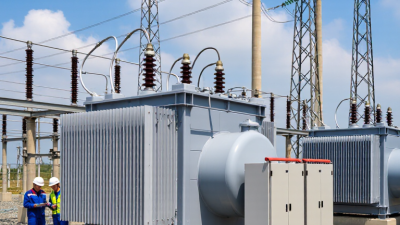
2026 Best 33kV Power Distribution Transformers Buying Guide
Buying 33kV Power Distribution Transformers is a long-term infrastructure decision, not a simple equipment purchase. These transformers support substations, industrial plants, renewable projects, and utility networks where reliability matters every hour. A poor specification can create overheating, unexpected outages, excessive losses, or difficult maintenance. The consequences may remain hidden until demand peaks.
Dr. S. V. Kulkarni, a respected transformer engineering author, states, “A transformer must be designed for its actual duty, not merely its nameplate rating.” This principle should guide every 2026 purchasing decision. Buyers must examine load profiles, ambient temperature, altitude, fault levels, cooling methods, insulation coordination, noise limits, and installation conditions. Compliance with relevant IEC 60076 requirements also deserves careful verification. Documentation matters. So does factory testing.
This guide compares the practical factors behind dependable 33kV Power Distribution Transformers. It considers oil-immersed and dry-type designs, copper and aluminium windings, energy efficiency, protection accessories, online monitoring, delivery support, and lifecycle cost. Purchase price alone can mislead. A cheaper unit may demand more maintenance or lose more energy over twenty years. However, not every advanced feature provides equal value. That deserves honest reflection. Buyers should question impressive claims, request test evidence, and inspect references from similar operating environments. Some project assumptions will be incomplete. That is normal. Good decisions improve when engineers revisit them before final approval.
Read more »
 By:Ethan
- October 18, 2026

7 Tips for Buying 11kV Energy Efficient Transformers
Buying an 11kV transformer is not simply a matter of comparing prices. It is a long-term decision affecting energy losses, operating reliability, maintenance costs, and electrical safety. For a factory, commercial building, or utility site, small specification choices can influence performance for decades.
This guide introduces seven practical tips for selecting 11kV Energy Efficient Transformers with greater confidence. It considers real operating conditions, not only catalogue figures. A transformer working near its rated load behaves differently from one operating lightly during most shifts. Daily load patterns, ambient temperature, harmonics, installation space, and future expansion all deserve careful review.
Look beyond the nameplate.
Buyers should examine no-load losses, load losses, efficiency ratings, cooling arrangements, insulation systems, and tap-changer requirements. They should also confirm applicable standards, testing procedures, warranty terms, and after-sales support. A factory acceptance test, for example, can reveal whether measured losses match the supplier’s declared values before delivery.
The cheapest offer may not be the cheapest asset. Energy losses continue every hour, even when production stops. However, efficiency alone cannot decide the purchase. A technically excellent transformer may still be unsuitable if spare parts are unavailable or local engineers lack service experience.
No checklist is perfect.
A responsible decision combines verified documentation, site data, lifecycle cost analysis, and advice from qualified electrical professionals. Some assumptions may prove wrong after installation, especially when future loads were estimated too optimistically. Reviewing those assumptions honestly can prevent expensive corrections later. The following seven tips provide a practical framework for asking better questions and choosing an efficient, dependable transformer for its intended duty.
Read more »
 By:Amelia
- October 13, 2026
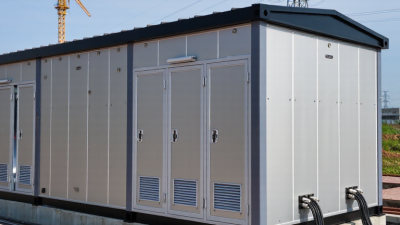
Why Choose Compact Substation Units for Global Projects?
Global electricity systems are expanding faster, while available land and construction time continue to shrink. The International Energy Agency’s Electricity 2024 report forecasts global electricity demand growth of about 4% annually through 2026. Meanwhile, IRENA reported 585 GW of renewable capacity additions in 2024. These figures reveal a practical challenge: new generation requires flexible, reliable, and space-efficient distribution infrastructure.
Compact Substation Units offer a focused response. They combine medium-voltage switchgear, transformers, and low-voltage equipment inside a factory-engineered enclosure. This arrangement can reduce site work, simplify transport, and shorten installation schedules. On a constrained urban site, the difference may be a smaller foundation and fewer exposed cable routes. In a remote solar project, it may mean faster commissioning with fewer specialized crews.
Industry practice still demands careful verification. IEC 62271-202 provides important requirements for high-voltage and low-voltage prefabricated substations, including service conditions and enclosure performance. However, compliance alone does not guarantee project success. Engineers must assess ambient temperature, humidity, seismic exposure, ventilation, fire protection, maintenance access, and local grid codes. A compact design can save space, yet poor thermal planning may reduce transformer life.
This is where experience matters. Project teams should compare lifecycle cost, not only purchase price. They should also confirm spare-parts availability and local service capability before selecting a supplier. Compact Substation Units are not a universal answer. They are a disciplined option for global projects that need repeatable engineering, controlled quality, and dependable deployment under real site constraints.
Read more »
By:Amelia
- October 8, 2026
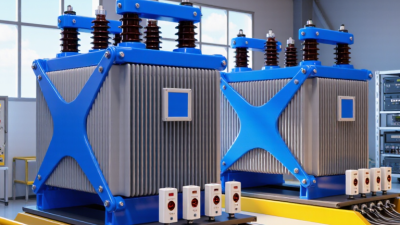
What Are the 2026 Best Scott Connected Transformers?
Choosing the best Scott Connected Transformers in 2026 requires more than comparing nameplate ratings. Scott-connected designs convert three-phase supply into two-phase output, supporting railway traction, industrial furnaces, test systems, and specialized distribution networks. Their value depends on balance, thermal stability, monitoring quality, and service support.
Demand is becoming harder to predict. The International Energy Agency’s Electricity 2024 report projects global electricity demand to grow by an average 3.4% annually from 2024 through 2026. That growth increases pressure on transformers, substations, and grid visibility. The U.S. Department of Energy’s 2024 transformer supply-chain review also highlights extended lead times, material constraints, and manufacturing bottlenecks. These conditions make connected monitoring increasingly practical, not merely fashionable.
A strong 2026 model should combine low-loss windings with temperature, vibration, partial-discharge, and load-current sensors. IEC 60076 remains central for power-transformer performance, while IEC 61869 supports dependable measurement-transformer applications. In a real plant room, useful details matter: a clear dashboard, sealed terminals, accessible inspection points, and alarms that identify rising oil temperature before shutdown. Small differences matter.
This guide compares Scott Connected Transformers through efficiency, phase-balance performance, cybersecurity readiness, data interoperability, maintenance access, and lifetime cost. It also considers manufacturer documentation and independent test evidence. Market forecasts can be optimistic, however. A larger connected market does not guarantee better equipment. Some products still provide impressive dashboards but limited diagnostic depth. That weakness deserves attention. The best choice is therefore the transformer that delivers measurable electrical performance, trustworthy data, and practical support under real operating conditions.
Read more »
 By:Evelyn
- October 3, 2026
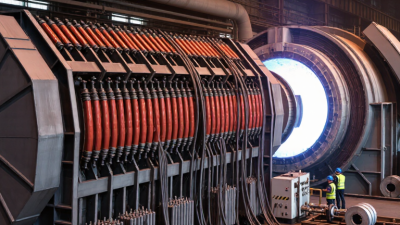
Why Are Metallurgical Furnace Transformers Used?
Why Are Metallurgical Furnace Transformers Used?
Metallurgical Furnace Transformers are built for a demanding task: supplying controlled, high current to furnaces used in steelmaking and other metal processes. The grid delivers power at a voltage suited to transmission. An electric arc furnace needs a much lower voltage and very high current. The transformer makes that conversion possible, while tap changers and related equipment help operators adjust power as furnace conditions change. The arc is not steady; the electrical load can fluctuate sharply.
The scale is substantial. World Steel Association data reports 1,882.6 million tonnes of crude steel production worldwide in 2024. The International Energy Agency’s Iron and Steel Technology Roadmap estimates that iron and steel production generated about 2.6 gigatonnes of direct CO₂ emissions in 2019. These figures show why efficient, dependable furnace operation matters, though they do not describe every plant’s equipment or energy mix.
Energy scholar Vaclav Smil has described steel as one of the four pillars of modern civilization. That perspective helps explain the transformer’s importance: it is not merely a voltage-changing device, but a key link between the electrical supply and the furnace process. Engineers must match its rating, cooling design, impedance, and control options to the furnace and production pattern. A mismatch can mean unstable operation or avoidable downtime. Small details matter.
There is no single design for every furnace. Metallurgical Furnace Transformers must be specified against real operating conditions, not just a nameplate rating. That distinction is easy to overlook.
Read more »
By:Evelyn
- September 28, 2026
Why Are Solar Inverter Duty Transformers Important?
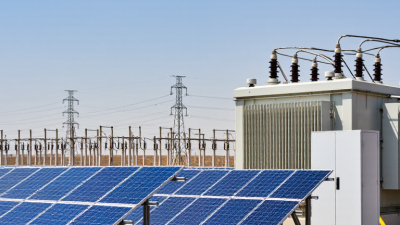
Solar farms convert sunlight into electricity, but their inverters create demanding electrical conditions. Solar Inverter Duty Transformers connect inverter outputs with medium-voltage collection systems. They raise voltage, isolate circuits, and manage energy flowing toward the grid. Their role is practical, not decorative. A correctly specified unit can reduce losses, limit disturbances, and support dependable operation. That choice matters.
In daily service, these transformers face frequent switching, harmonic currents, temperature changes, and uneven loading. A hot afternoon may push winding insulation harder than a morning test suggests. Engineers therefore review kVA capacity, impedance, insulation levels, cooling, grounding, and harmonic performance. They also check enclosure design, noise, altitude, and maintenance access. Small omissions can become expensive delays. Heat leaves clues. Discoloration, unusual sound, or rising winding temperature deserves investigation. Standards and manufacturer data provide a strong baseline, but site conditions still control the final decision.
Why are Solar Inverter Duty Transformers important? They influence safety, power quality, equipment life, and project revenue. Their performance affects inverter stability and the availability of the entire solar block. Protection settings must coordinate with transformer characteristics and utility requirements. Independent testing, documented calculations, and qualified commissioning improve confidence. No design is perfect. Forecasted loads can change, and field measurements may challenge assumptions. A reliable project leaves room for review. This article examines transformer construction, electrical duties, selection criteria, failure risks, and long-term maintenance needs. The goal is clear: choose equipment that performs predictably when sunlight, heat, and grid demands arrive together.
Read more »
By:Amelia
- September 23, 2026
China Top 10 Electric Distribution Transformer Manufacturers
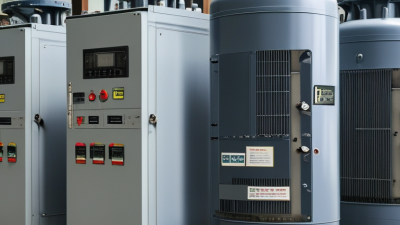
China has become a major center for power equipment manufacturing, supported by mature supply chains and large-scale electrical projects. This article introduces China’s top 10 Electric Distribution Transformers manufacturers and explains why they deserve attention from global buyers.
The selection considers manufacturing experience, product range, testing capability, export service, and technical support. It also examines practical details, including transformer capacity, insulation systems, cooling methods, noise control, and enclosure design. Details matter. A reliable manufacturer should provide clear specifications, routine test reports, traceable materials, and responsive engineering communication. These points help utilities, contractors, and industrial users compare suppliers with greater confidence.
The companies discussed may serve different market segments. Some focus on oil-immersed transformers for outdoor substations. Others develop dry-type models for hospitals, commercial buildings, factories, and renewable energy projects. Their strengths can differ in customization, delivery speed, pricing, certification, and after-sales service. A strong reputation is useful, but it should not replace document review or factory evaluation.
This overview is intended as a practical starting point, not an unquestionable ranking. Manufacturing capabilities change, and published information may become outdated. Buyers should verify current certifications, production capacity, warranty terms, and project references before placing an order. That caution matters. Site conditions, grid standards, climate, and maintenance practices can affect transformer performance as much as the brand itself. A careful comparison can reduce procurement risks and support safer, more efficient distribution networks.
Read more »
By:Amelia
- September 15, 2026
Top 10 Dry Type Cast Resin Transformers Manufacturers
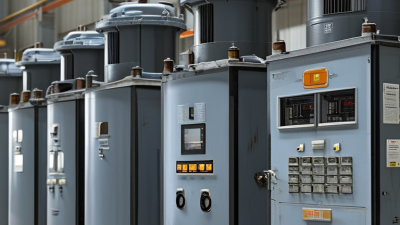
Dry Type Cast Resin Transformers are becoming essential in buildings, factories, data centers, and renewable energy projects. Their solid insulation removes liquid leakage risks and supports safer indoor installations. MarketsandMarkets estimates that the global dry-type transformer market could grow from about USD 4.4 billion in 2023 to USD 6.5 billion by 2028. That projection reflects expanding grids, urban construction, and industrial electrification.
However, market size alone cannot identify the best manufacturers. Product reliability depends on resin quality, winding design, thermal performance, noise control, and factory testing. IEC 60076-11 provides an important reference for dry-type transformer requirements, including insulation systems and temperature behavior. Manufacturers with strong engineering teams should also demonstrate short-circuit strength, partial-discharge control, and traceable quality procedures. Small details matter. A poorly controlled casting process can create voids, while inadequate ventilation may shorten service life.
This Top 10 list evaluates manufacturers through a practical and balanced lens. It considers global experience, production capacity, certification, project references, customization, after-sales support, and energy efficiency. Reports from Fortune Business Insights and MarketsandMarkets indicate continued demand, but their forecasts differ because definitions and regional data vary. That limitation deserves attention. No ranking can replace a site-specific technical review. A transformer serving a hospital has different priorities from one supplying a solar farm or high-rise building. The strongest suppliers combine proven field experience with transparent testing data, responsive service, and designs suited to real operating conditions. Reliability is not merely claimed; it is measured, documented, and repeatedly demonstrated.
Read more »
By:Evelyn
- September 15, 2026
China Top Industrial Power Transformers Manufacturers?
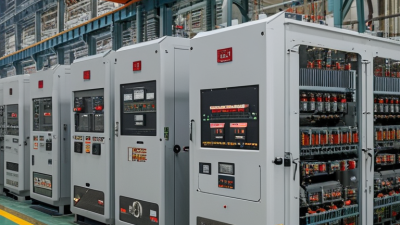
Choosing among China’s top Industrial Power Transformers manufacturers requires more than comparing brochures and quoted prices. Buyers should examine engineering depth, production controls, testing records, and after-sales support. A reliable manufacturer can explain its design choices clearly, from copper winding arrangements to insulation systems and cooling methods.
This guide introduces leading Chinese suppliers through a practical procurement lens. It considers transformer capacity, voltage class, efficiency, noise control, temperature rise, and operating environment. Factory facilities also matter. Look for controlled winding rooms, vacuum drying equipment, oil treatment systems, and traceable component records. Independent inspections and factory acceptance tests can reveal details that marketing pages often miss.
Real projects rarely follow a perfect template. No list is perfect. Product quality may vary between factories, product lines, and production batches. Delivery performance can also depend on customization, testing schedules, and export experience. Therefore, buyers should request recent references, verified certifications, routine test reports, and clear warranty terms. Compliance with applicable IEC or national standards should be confirmed for each project, not assumed from a company profile.
The manufacturers discussed here are assessed for technical capability, documented reliability, manufacturing scale, and service responsiveness. Their strengths may differ. One supplier may offer strong grid experience, while another may specialize in renewable-energy substations or compact industrial units. Careful comparison remains essential. A dependable transformer supplier should support the project before shipment, during installation, and throughout long-term operation.
Read more »
By:Amelia
- September 15, 2026