Frequently Asked Procurement & Technical Questions Global Procurement & Engineering FAQ
In-depth answers addressing complex technical queries asked by industrial buyers, utility engineers, and EPC procurement leads.
How do I determine whether my plant requires an Oil-Immersed or Dry-Type (Cast Resin) Industrial Transformer?
The decision primarily hinges on installation location, fire safety codes, environmental sensitivity, and maintenance capacity:
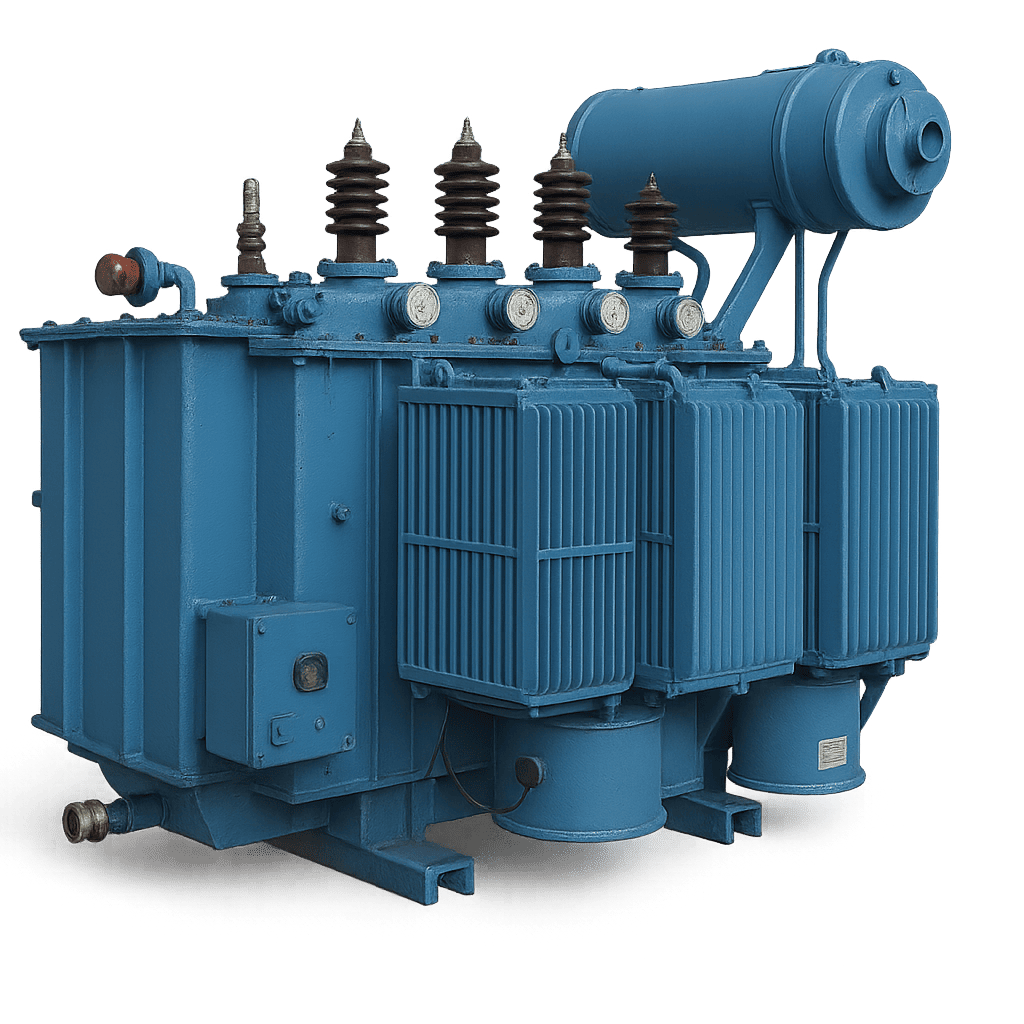
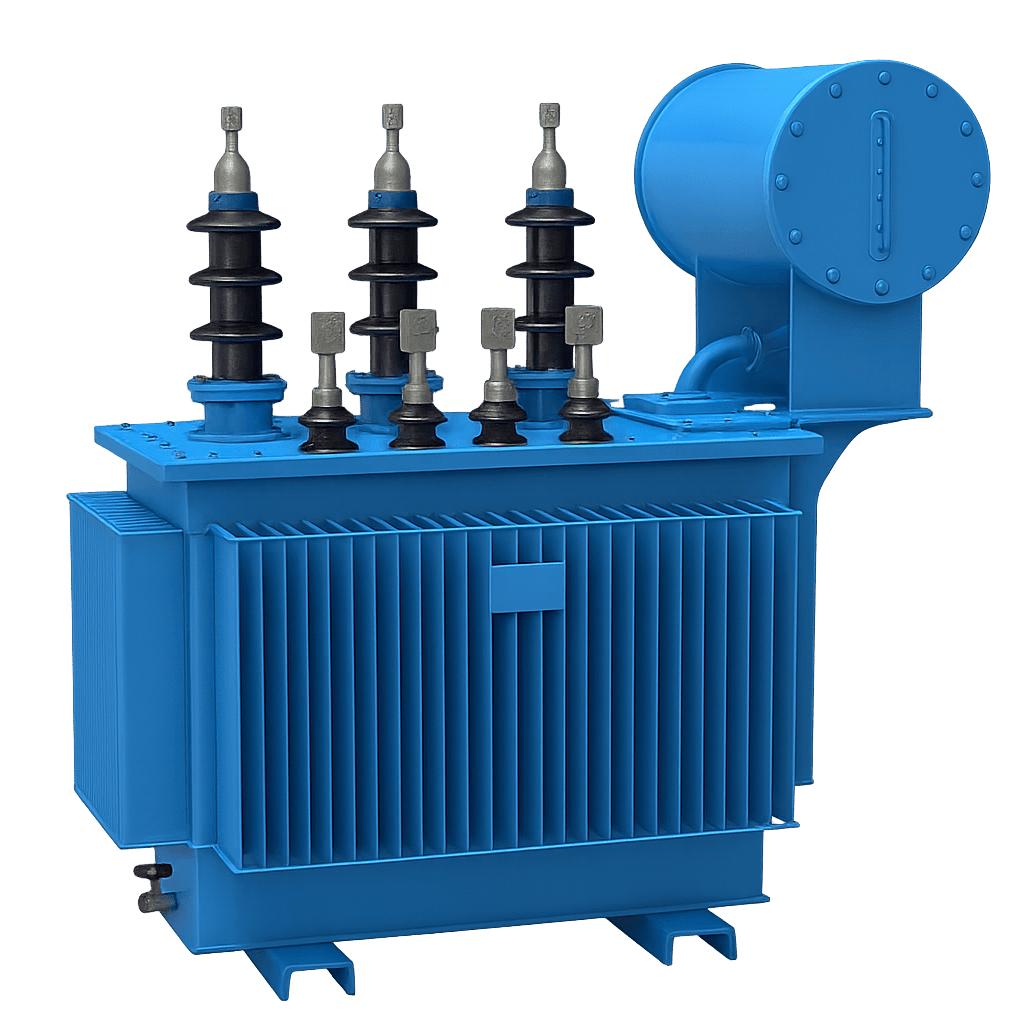
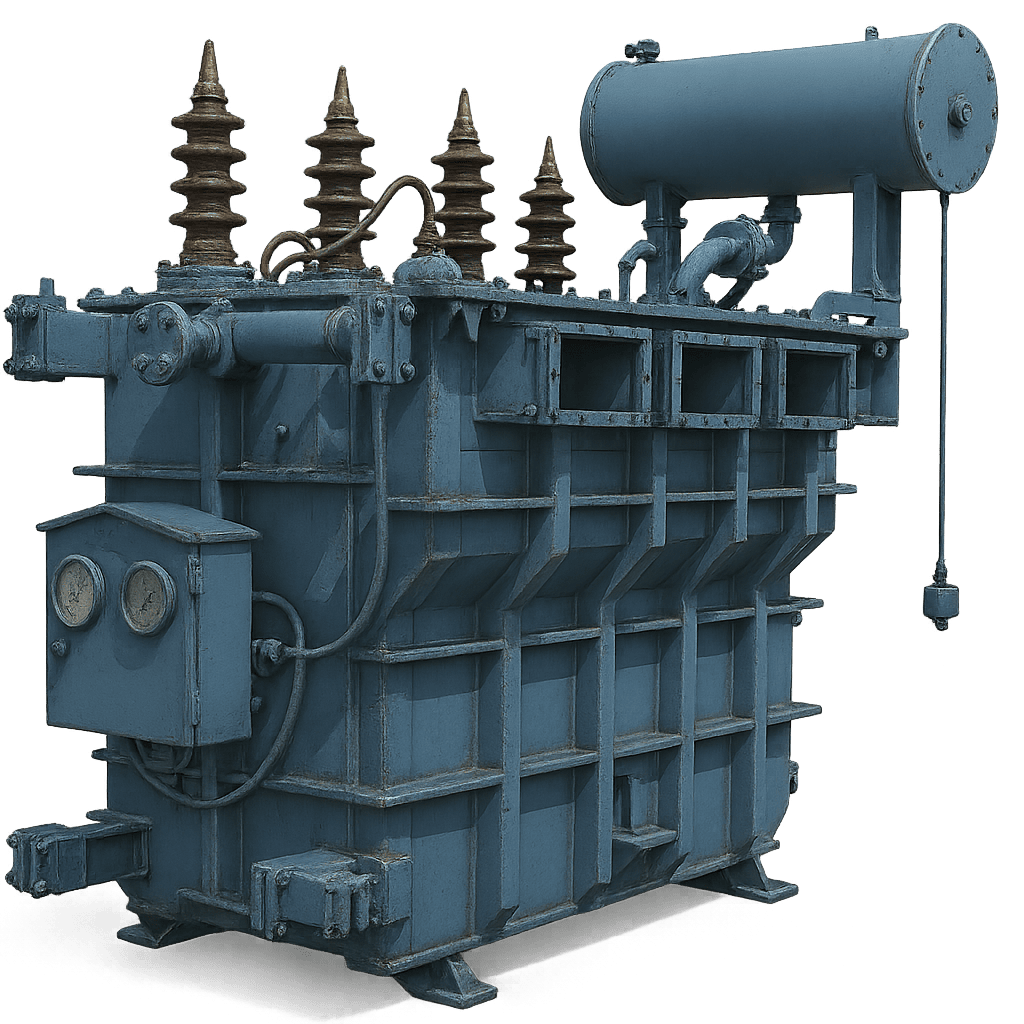
Oil-Immersed Transformers: Ideal for outdoor substations, heavy industrial plants, step-up solar yards, and capacities up to 10 MVA or higher. Oil provides superior dielectric cooling properties and thermal inertia. However, liquid containment pits and fire clearance distances are mandatory.
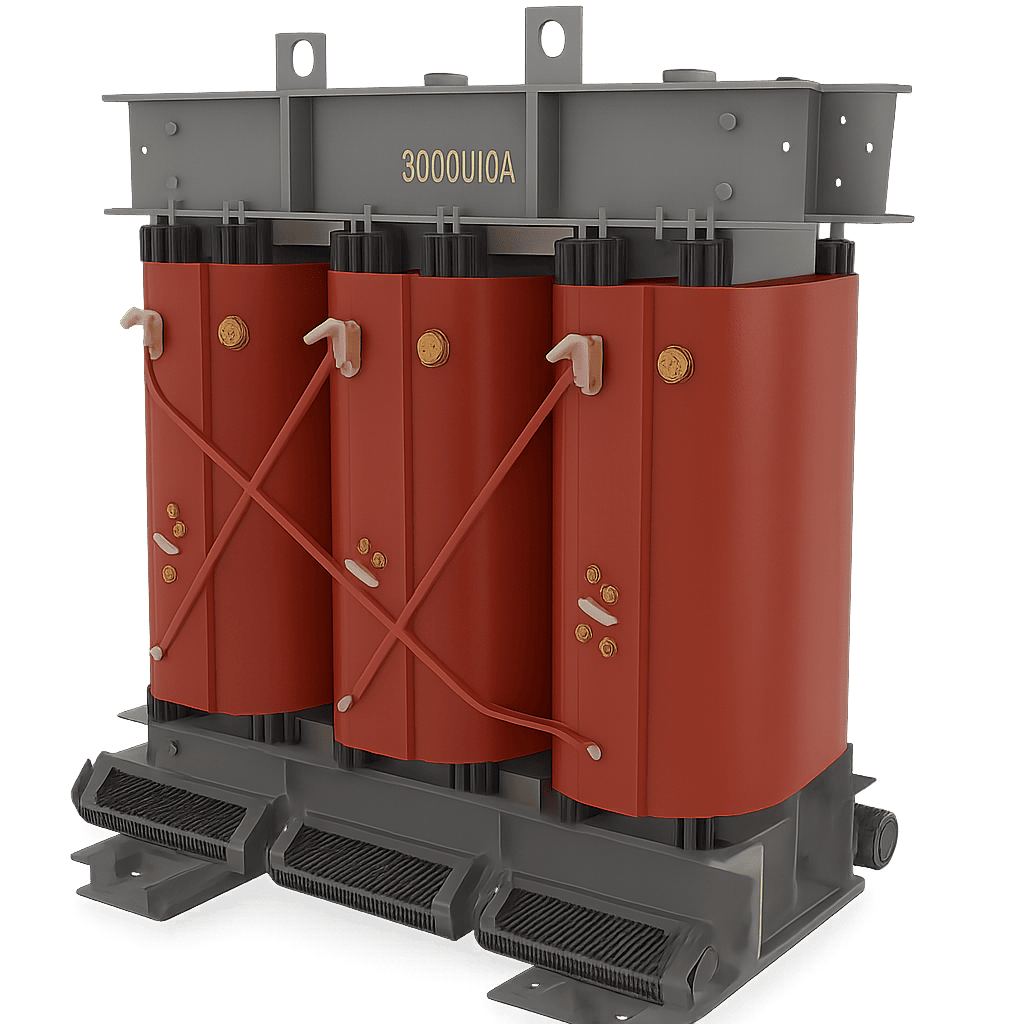
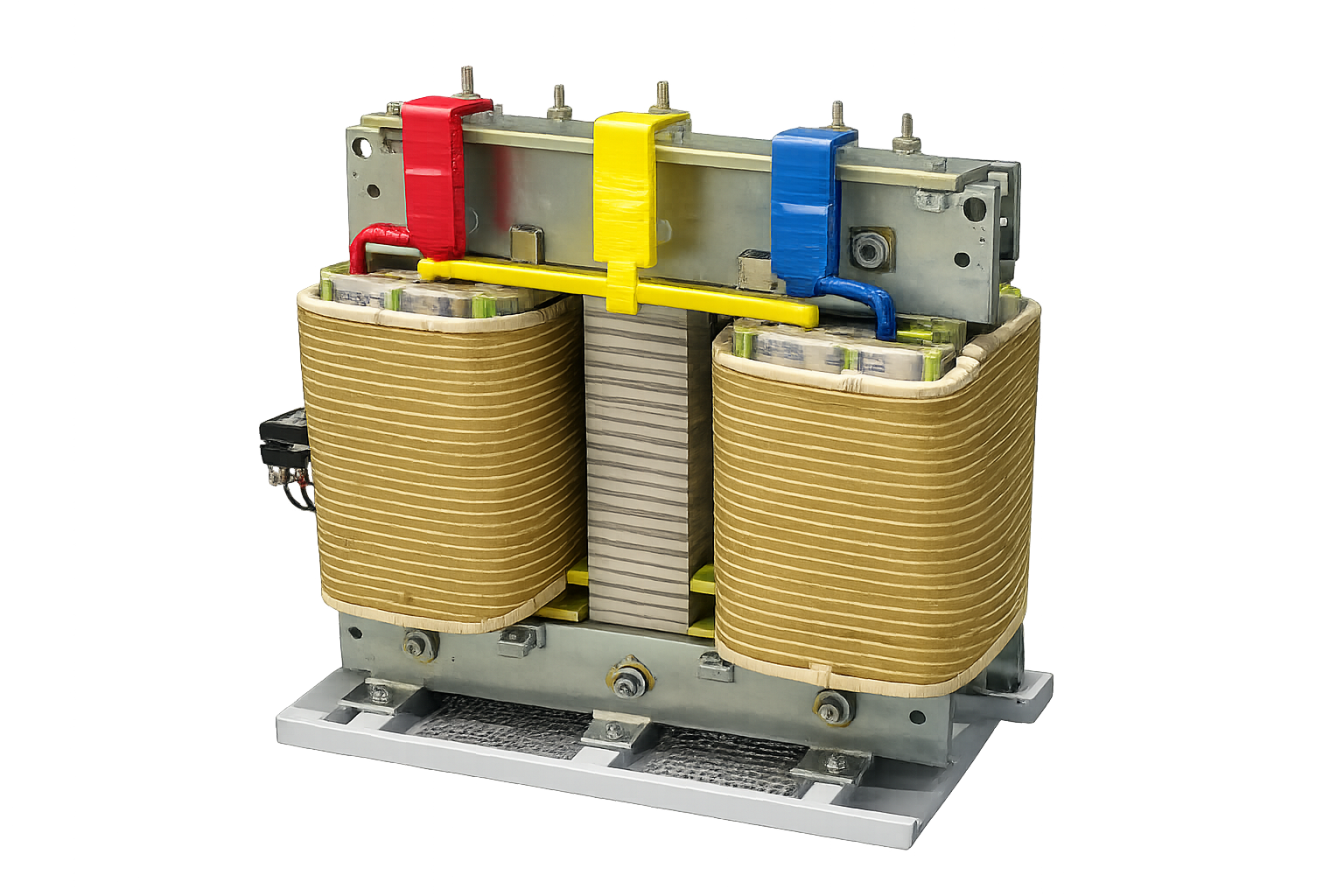
Dry-Type Cast Resin Transformers (CRT): Essential for indoor installations, high-rise buildings, underground commercial centers, data centers, and cleanroom environments where oil leakage or fire hazard is unacceptable. CRT units comply with Class F1 fire survival standards, are moisture-proof (Class C2), and require virtually no liquid maintenance, though initial CAPEX is higher than oil-immersed equivalents.
What is a K-Factor rating, and why is it critical when specifying transformers for non-linear industrial loads?
K-Factor is a numerical rating quantifying a transformer's ability to handle non-sinusoidal harmonic currents created by non-linear electronic loads (such as VFDs, rectifiers, UPS, and computer servers) without exceeding maximum insulation temperature limits.
Standard power transformers are designed for pure sinusoidal loads (K-1). When subjected to high harmonics, eddy current losses increase proportionally to the square of the harmonic frequency ($h^2$). Specifying a K-4, K-13, or K-20 rated transformer ensures the unit is constructed with transposed copper conductors, neutral conductors rated for 200% phase current, and an electrostatic copper shield between primary and secondary windings to safely dissipate stray thermal energy.
What routine and type tests should be mandated during Factory Acceptance Testing (FAT) under IEC 60076?
Before dispatching high-value industrial power transformers, global procurement contracts must require rigorous Factory Acceptance Testing (FAT) witnessed by customer representatives or third-party inspectors (e.g., SGS, TUV, BV). The minimum testing protocol includes:
- Routine Tests (100% of Units): Winding resistance measurement, Voltage Ratio & Vector Group check, Load Loss ($P_k$) & Impedance measurement, No-Load Loss ($P_0$) & No-Load Current check, Insulation Resistance (IR / Megger), Applied Voltage AC Withstand, and Induced Overvoltage Withstand Test.
- Type Tests (Sample Verification): Temperature Rise Test (IEC 60076-2) to verify thermal limits, and Lightning Impulse Voltage Withstand Test (IEC 60076-3).
- Special Tests: Short-Circuit Withstand Capability (IEC 60076-5), Measurement of Zero-Sequence Impedance, Acoustic Noise Level Measurement, and Dissolved Gas Analysis (DGA) on dielectric fluid.
How does IS 1180 (Part 1): 2014 Amendment No. 1 impact transformer selection for Indian and international buyers?
IS 1180 (Part 1): 2014 Amendment No. 1 is a mandatory quality and efficiency regulation enacted by the Bureau of Energy Efficiency (BEE) and Bureau of Indian Standards (BIS). It categorizes energy efficiency into three strict tiers: Level 1, Level 2, and Level 3.
Level 3 represents the highest energy efficiency benchmark with the lowest permitted total losses at both 50% and 100% load. Industrial buyers selecting IS 1180 Level 3 transformers reduce annual kWh loss costs, cut indirect carbon emissions, and gain compliance with international green building certifications (LEED / BREEAM).
Why are Scott-Connected Transformers specifically required for two-phase or single-phase industrial loads?
Connecting heavy single-phase or two-phase industrial loads (such as electric railway catenary traction or single-phase induction furnaces) directly across a standard 3-phase grid creates severe phase current unbalance. This unbalance causes negative sequence currents, severe rotor heating in nearby utility generators, and neutral voltage displacement.
A Scott-Connected Transformer utilizes a specialized coil topology consisting of a "Main" transformer and a "Teaser" transformer interconnected on a shared magnetic structure. It converts a balanced 3-phase high-voltage supply into two isolated single-phase outputs that are 90° out of phase. When both secondary phases are loaded equally, the primary 3-phase grid currents remain 100% balanced with zero return current in the neutral line.
What cooling class designation (ONAN, ONAF, OFAF) should be chosen for fluctuating industrial load profiles?
Transformer cooling mode designations define internal and external heat transfer mediums:
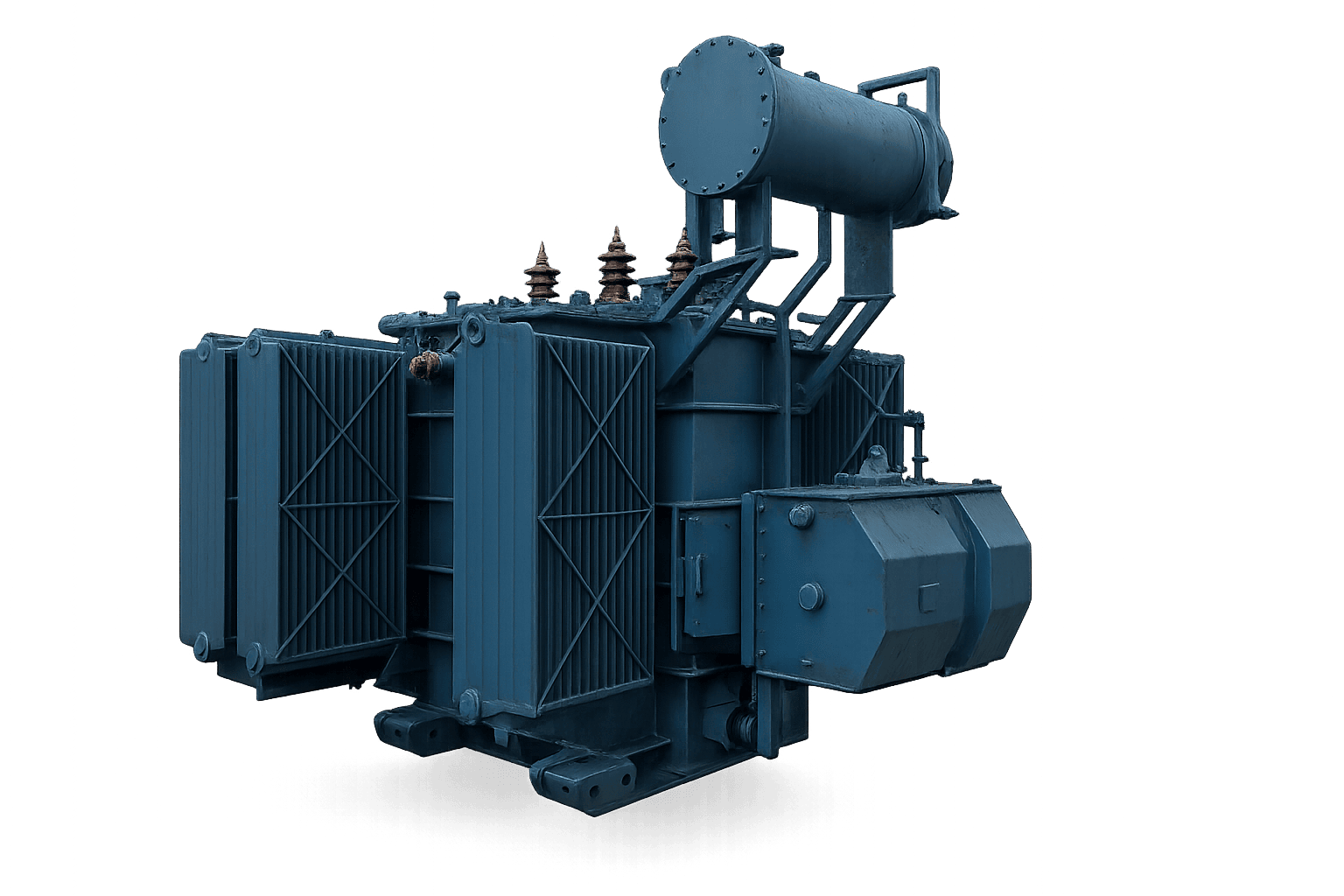
- ONAN (Oil Natural Air Natural): Base rating where thermal convection circulates oil inside radiator tubes and ambient air cools the outer radiator surface naturally. Recommended for continuous baseline plant loads.
- ONAF (Oil Natural Air Forced): Radiator fans are engaged dynamically when oil temperature exceeds set points (e.g., 65°C). ONAF allows the transformer to operate up to 25-33% above its base ONAN kVA rating without exceeding insulation thermal limits, perfect for peak daytime production surges.
- OFAF / ODAF (Oil Forced Air Forced): Utilizes oil pumps alongside radiator fans to actively circulate oil through winding ducts. Essential for heavy MVA ratings (above 15-20 MVA) or furnace duty cycle transformers.
How do multi-winding LV configurations protect solar inverter duty transformers from DC injection and harmonics?
Utility-scale solar PV farms aggregate multiple solar string or central inverters to a single step-up transformer. Operating multiple inverters on a single winding can create circulating cross-talk currents and resonance spikes.
Sahara's Solar Inverter Duty Transformers incorporate 2, 3, or 4 independent Low Voltage (LV) windings stacked vertically on the core leg, coupled to a single High Voltage (HV) step-up winding. Grounded electrostatic shields inserted between each LV layer and the HV winding decouple high-frequency switching noise ($f > 10\text{ kHz}$) and prevent DC bias from saturating the magnetic core.
What lead time, packaging, and logistical safeguards are required for international export orders?
International procurement requires stringent ocean-freight logistics planning. Sahara Transformers executes the following export protocols:
- Hermetic & Dry Nitrogen Cushioning: Heavy power transformers are dispatched filled with dry nitrogen ($N_2$) gas under positive pressure, with oil shipped separately in sealed steel drums to prevent moisture ingress into cellulose pressboard insulation during ocean transit.
- Seaworthy Heavy Timber Packaging: Core-coil assemblies and dry-type units are sealed in vapor-proof barrier bags with silica gel desiccant inside IP55 rated wooden crates constructed to ISPM-15 heat-treatment standards.
- Impact Recording: Tri-axial digital impact recorders are mounted to the main tank during ocean shipping to monitor and log shock forces ($g$-level) during crane loading and vessel transit.