1. Technical Fundamentals of On-Load Tap Changer (OLTC) Servicing
An On-Load Tap Changer (OLTC) is widely recognized as the most complex electromechanical subsystem within medium and high-voltage power transformers. Unlike static electrical components, an OLTC operates under continuous mechanical stress, high dielectric potential, and frequent electrical arcing during tap transitions. Responsible for regulating grid voltage without interrupting power delivery, the OLTC must switch winding tap connections seamlessly across varying load currents. Over time, mechanical wear on diverter contacts, oil carbonization, spring fatigue, and dielectric degradation of insulating oil create catastrophic vulnerability if rigorous maintenance protocols are neglected.
Professional On-Load Tap Changer Servicing goes beyond basic visual inspections or routine oil top-ups. It represents a systematic, engineering-grade lifecycle maintenance framework designed to evaluate mechanical timing tolerances, contact erosion depth, arc-quenching integrity, and dielectric insulation health. According to global utility reliability studies (CIGRE Transformer Reliability Working Group), over 30% to 40% of all major power transformer failures stem directly from malfunctions in the tap changer mechanism—specifically diverter switch contact welding, selector switch mis-tracking, drive shaft alignment failures, and moisture contamination within the OLTC compartment.
Information Gain Insight: The Physics of Tap Switching Degredation
During a tap change operation, transition resistors absorb circulating currents while diverter contacts make and break under full load. This process generates localized thermal arcs exceeding 3,000°C, causing micro-erosion of copper-tungsten contact tips and thermal cracking of surrounding transformer oil. The resulting free carbon particles and combustible gases (such as acetylene C₂H₂ and ethylene C₂H₄) degrade the dielectric strength of the insulating fluid, increasing the probability of flashover across adjacent selector contacts.
Effective OLTC maintenance incorporates advanced field diagnostics such as Dynamic Resistance Measurement (DRM), Dissolved Gas Analysis (DGA) specific to OLTC compartments, Sweep Frequency Response Analysis (SFRA), and precise mechanical timing tests. By quantifying contact resistance variation down to micro-ohm levels during high-speed transition, engineers can diagnose contact pitting or spring degradation prior to catastrophic mechanical seizure.
2. Critical Risk Mitigation: Why Scheduled OLTC Overhauls Are Mandatory
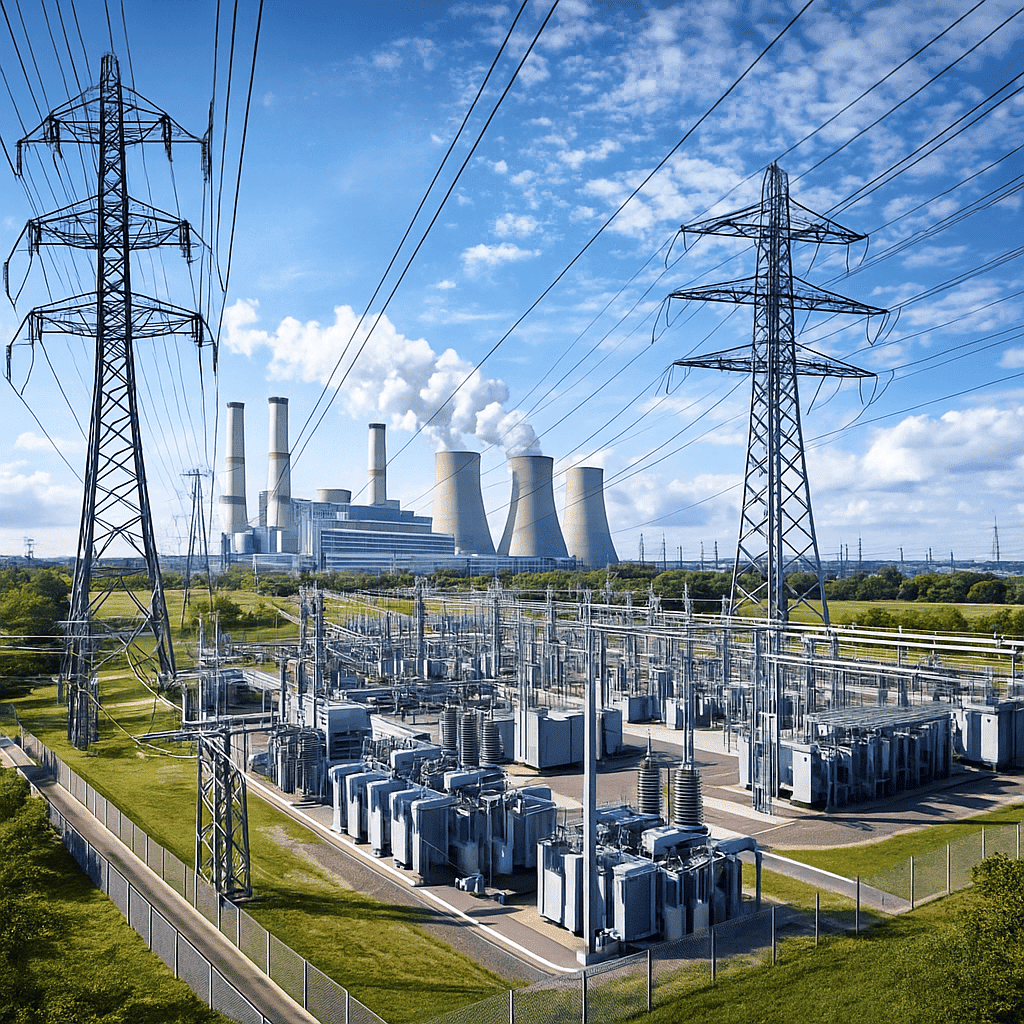
For industrial plant managers, independent power producers (IPPs), and municipal utility operators, transformer downtime incurs catastrophic financial losses. Operating an OLTC past its recommended service interval (typically measured in operation counts or elapsed operational years) dramatically elevates operational risks:
- Contact Burning & Thermal Runaway: Elevated contact resistance creates localized heating. As copper-tungsten alloy contacts erode, contact pressure decreases due to spring annealing, rapidly escalating into thermal runaway and contact welding.
- Dielectric Breakdown of Compartment Oil: Continuous arcing generates carbon sludge that settles on insulating barriers, drive rods, and tap selector frames. Reduced breakdown voltage (BDV) leads to phase-to-ground or phase-to-phase internal arcing.
- Mechanical Misalignment & Gear Train Backlash: Motor drive units, bevel gears, drive shafts, and Geneva wheel mechanisms experience mechanical play. Misaligned contact positioning leads to partial tap engagements, severe arcing, or mechanical jamming mid-transition.
- Breather & Desiccant Saturation: Moisture ingress through compromised gaskets or saturated silica gel breathers accelerates paper insulation breakdown within the tap changer housing, triggering dielectric breakdown.
At Sahara Transformers, our field service engineers adhere strictly to ISO-certified standard operating procedures and international guidelines (IEC 60214-1 / IEC 60076-1). Drawing on over 17 years of specialized manufacturing and field service experience since 2007, our technicians deliver comprehensive field overhauls, in-situ contact replacement, vacuum bottle testing, and precision mechanical timing adjustments.
3. High-Performance Transformer Solutions Built for Superior OLTC Integration
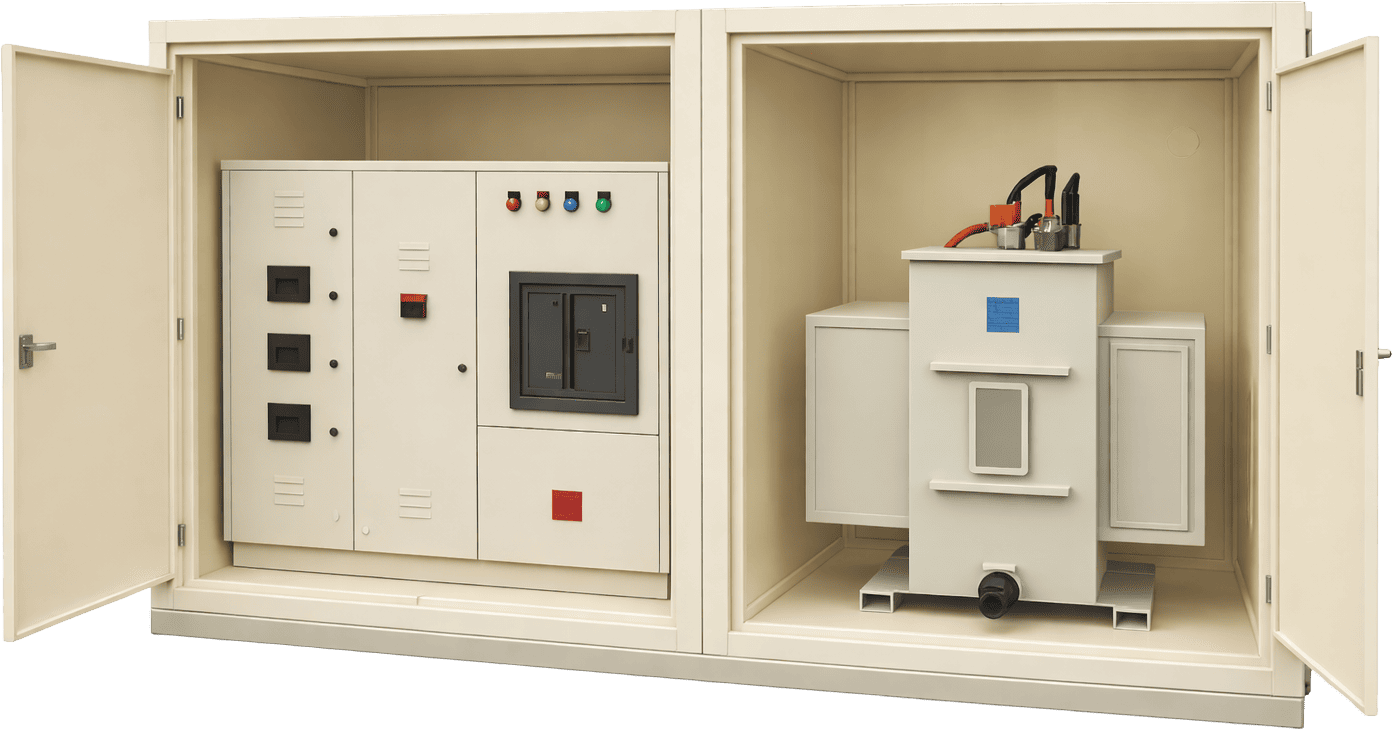
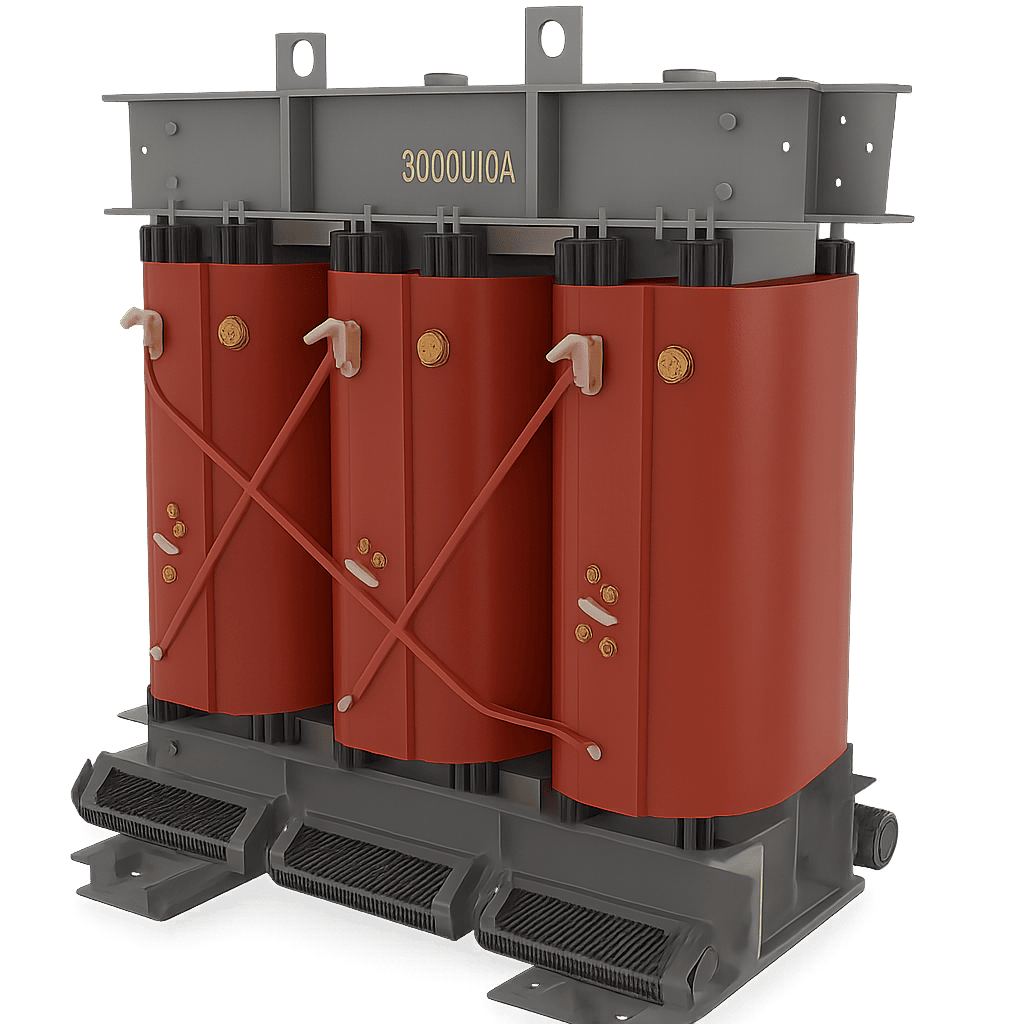
Choosing the right transformer architecture is fundamental to ensuring long-term OLTC reliability. Sahara Transformers designs and manufactures robust industrial power and distribution transformers engineered specifically to withstand heavy tap-changing duty cycles in demanding operational environments.