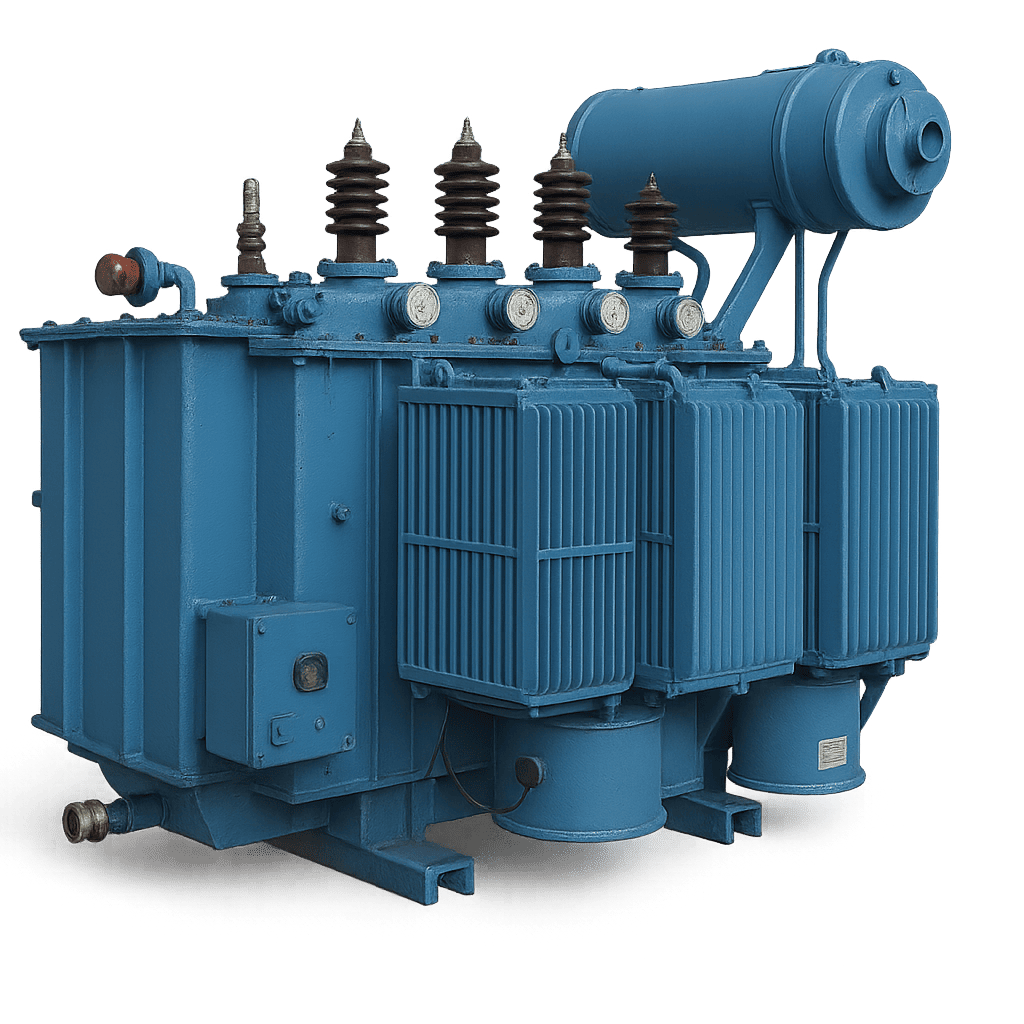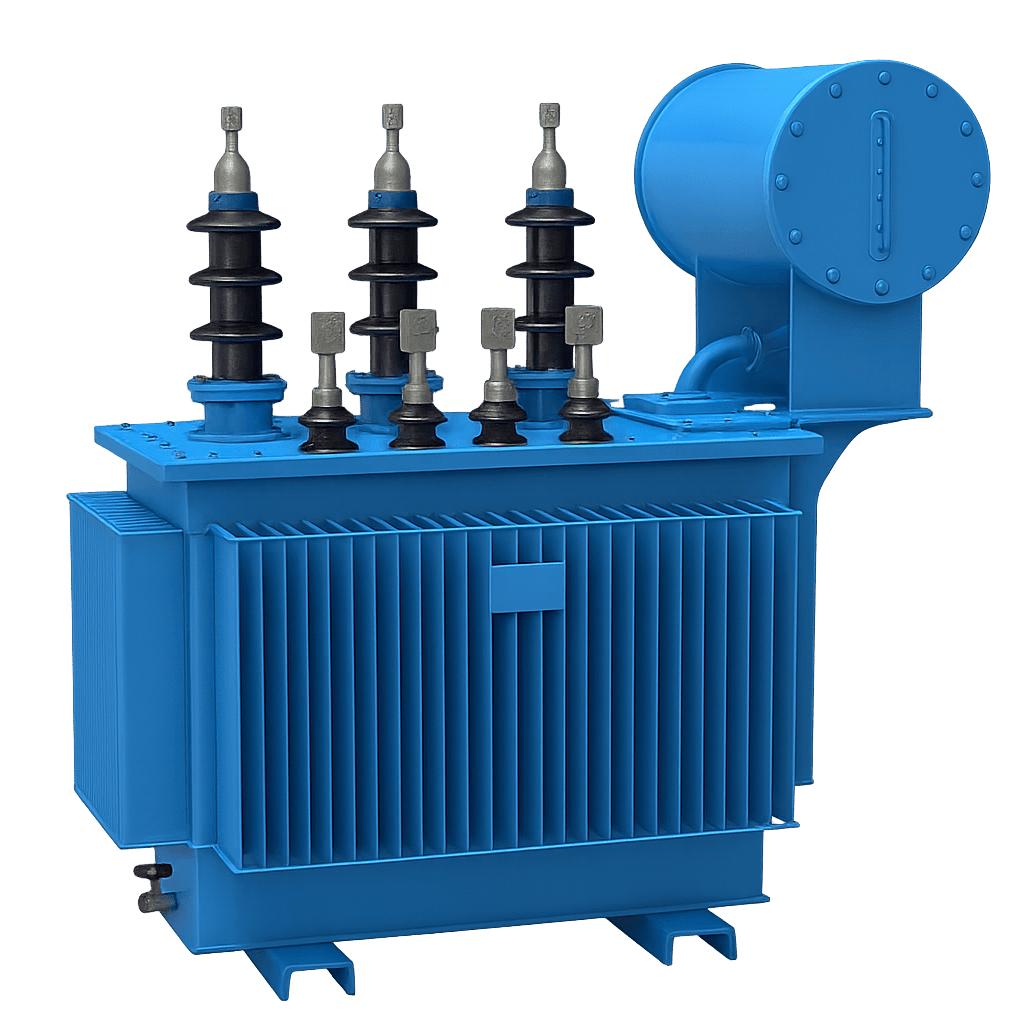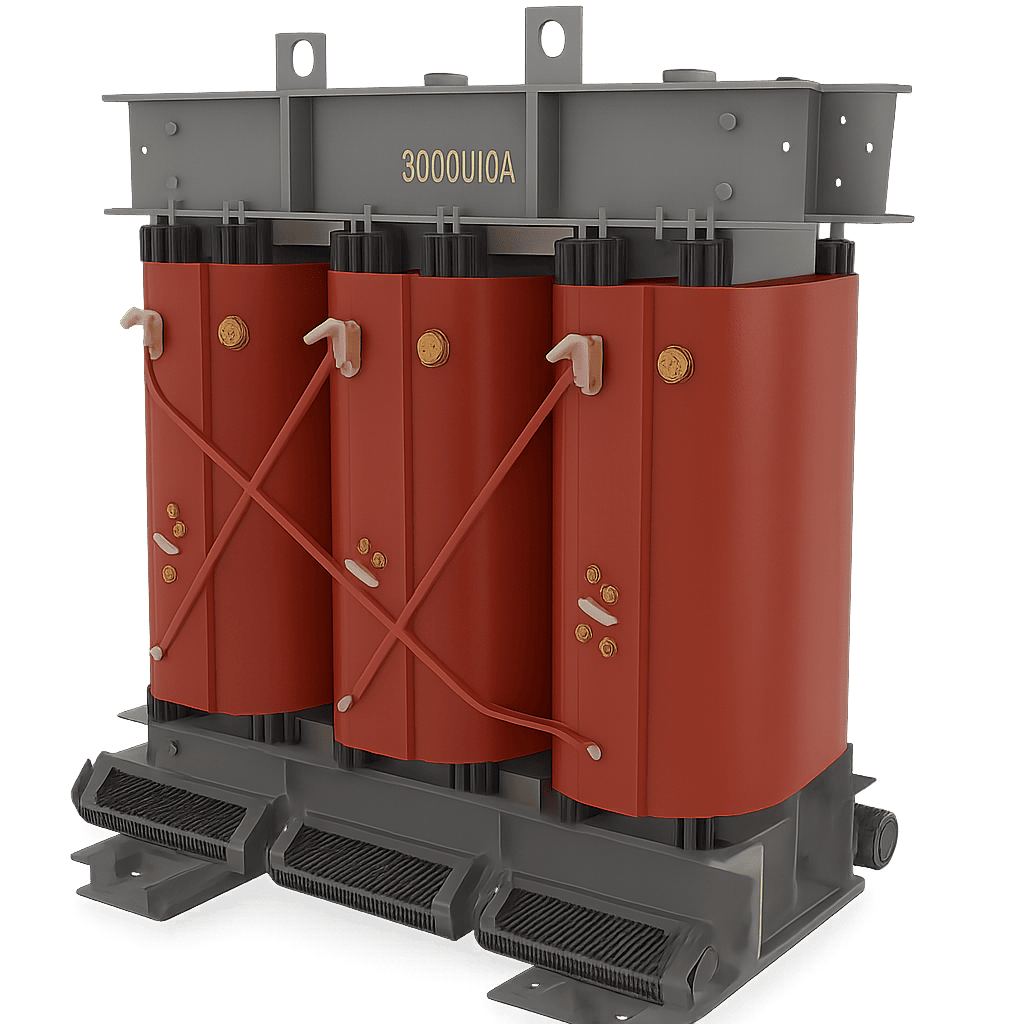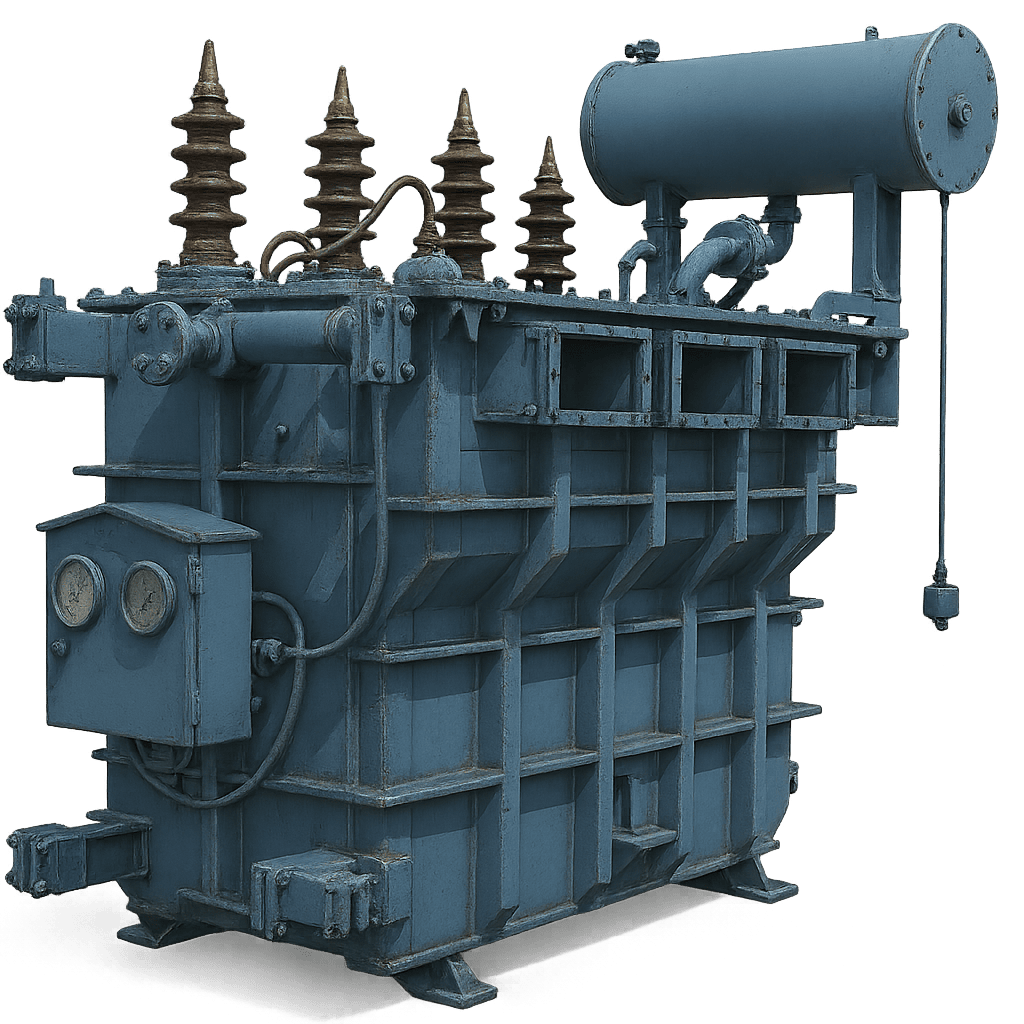
1. Technical Overview: The Strategic Role of 33kV Power Distribution Transformers
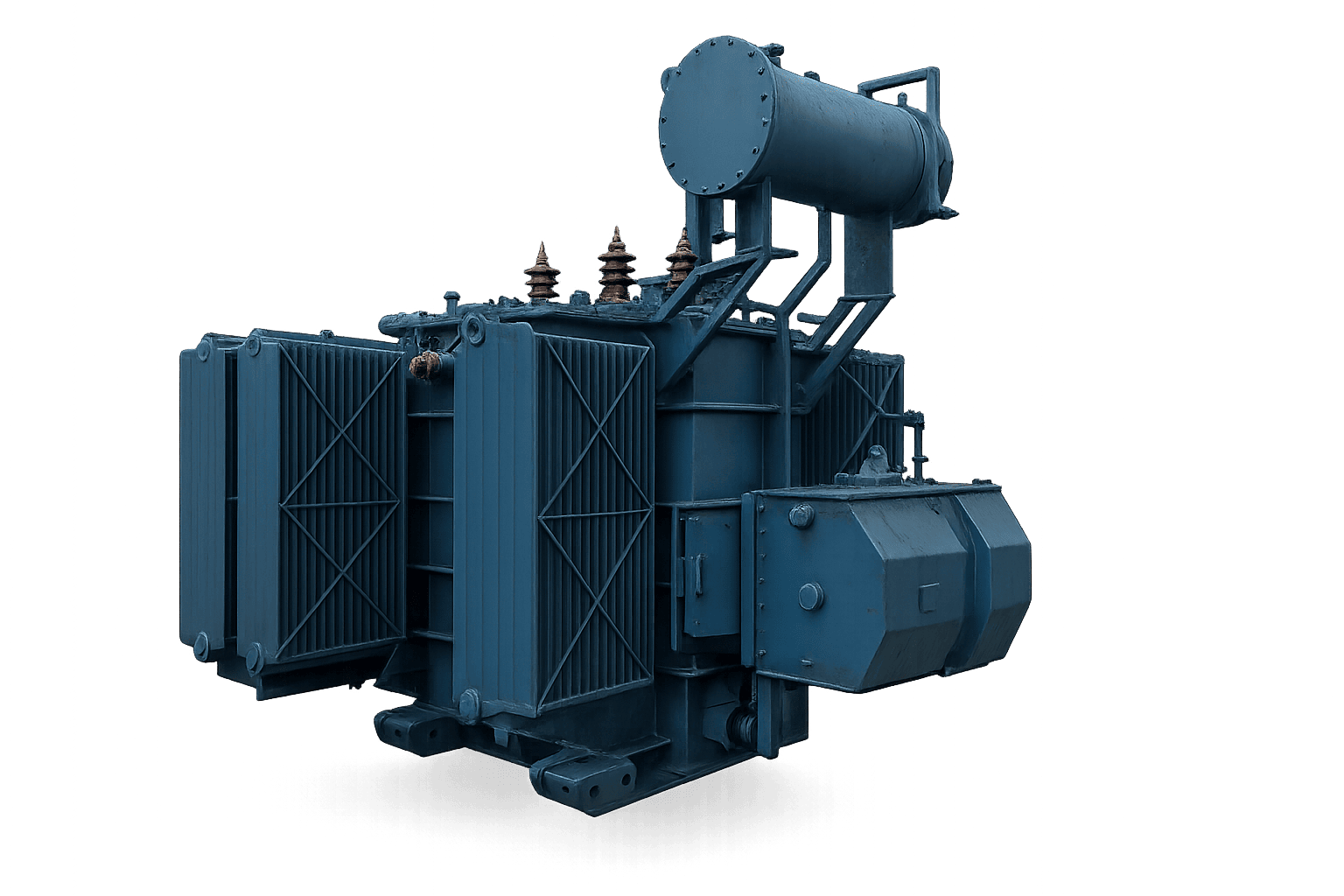
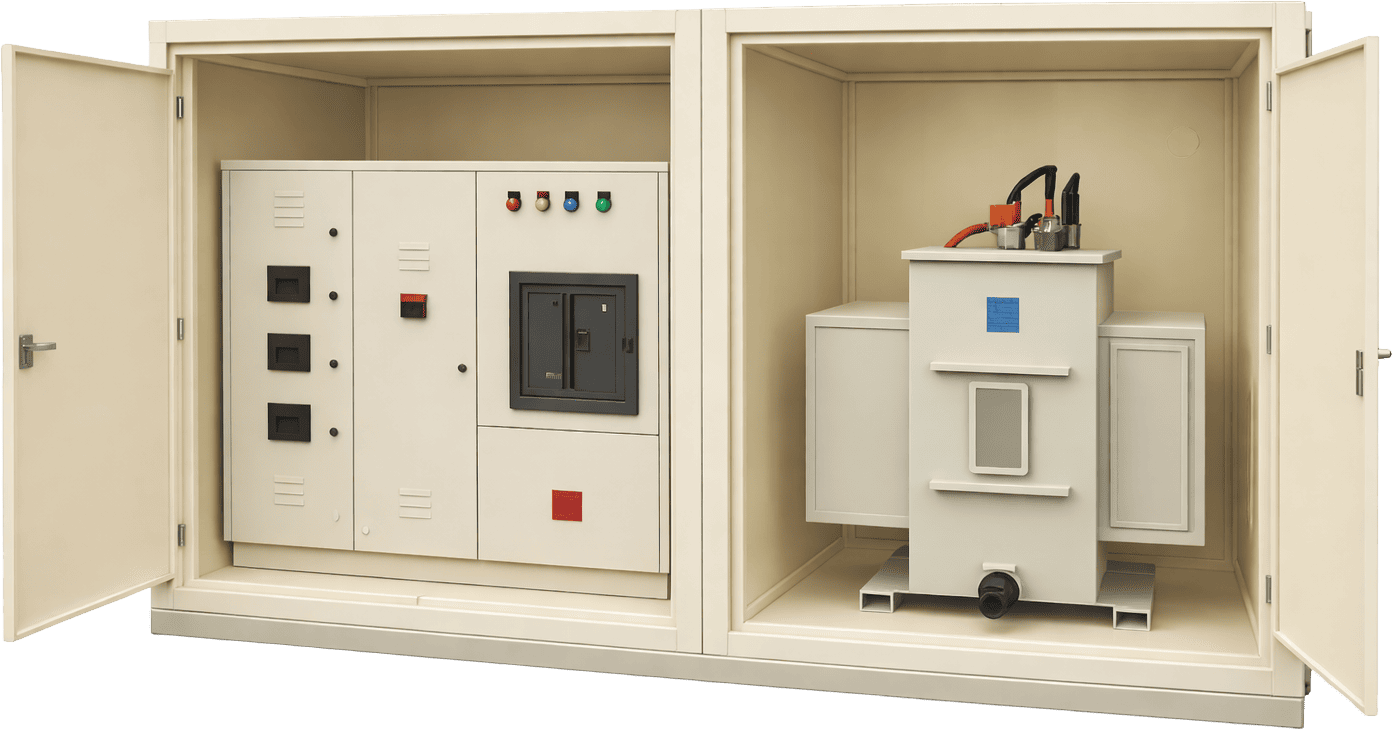
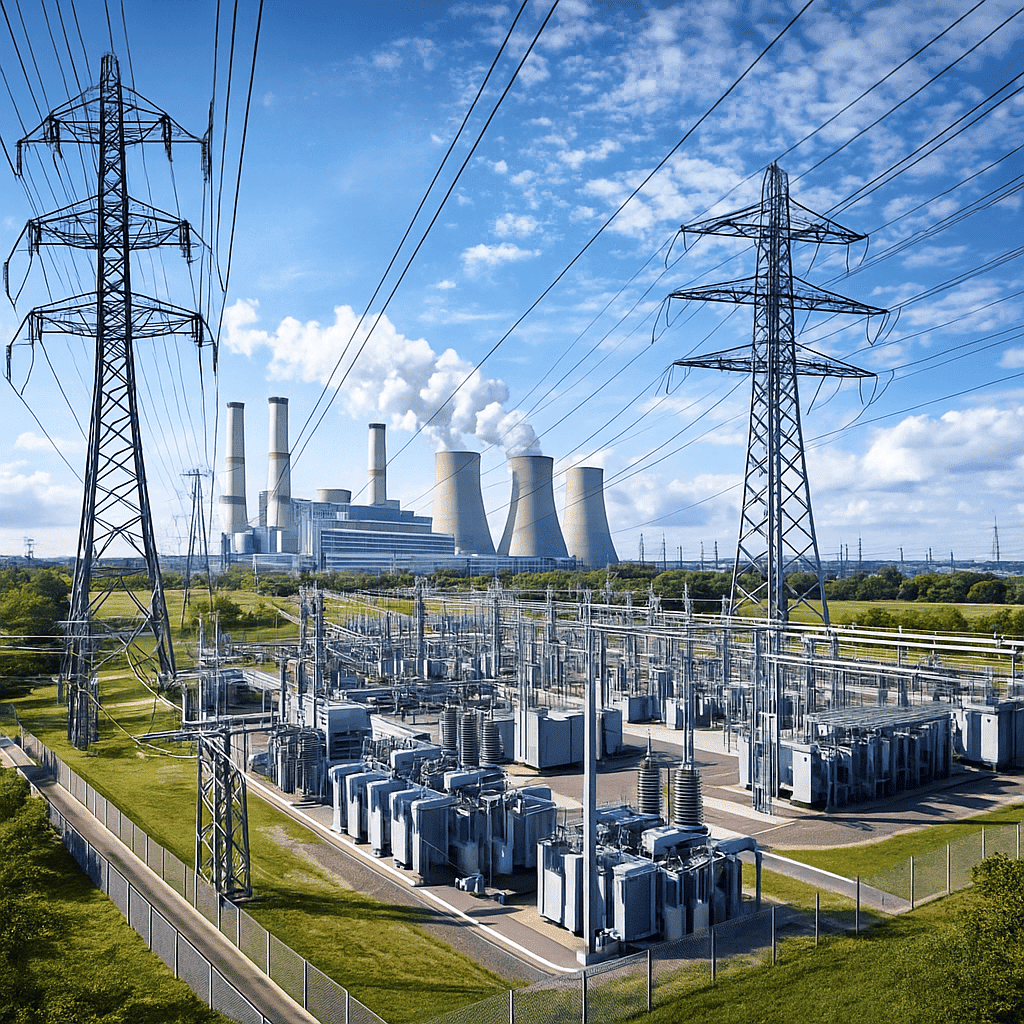
In modern electrical power networks, medium-voltage (MV) primary distribution serves as the crucial bridge between high-voltage transmission grids and regional consumption centers. The 33kV Power Distribution Transformer operates at this critical juncture, stepping down 33kV incoming utility distribution voltages to intermediate levels (such as 11kV, 6.6kV, 3.3kV) or directly to low-voltage industrial utilization standards (415V/433V 3-phase). As industrial complexes scale operations, renewable energy projects expand, and power density requirements grow, selecting optimal 33kV distribution architecture becomes directly linked to grid stability, energy efficiency, and operational safety.
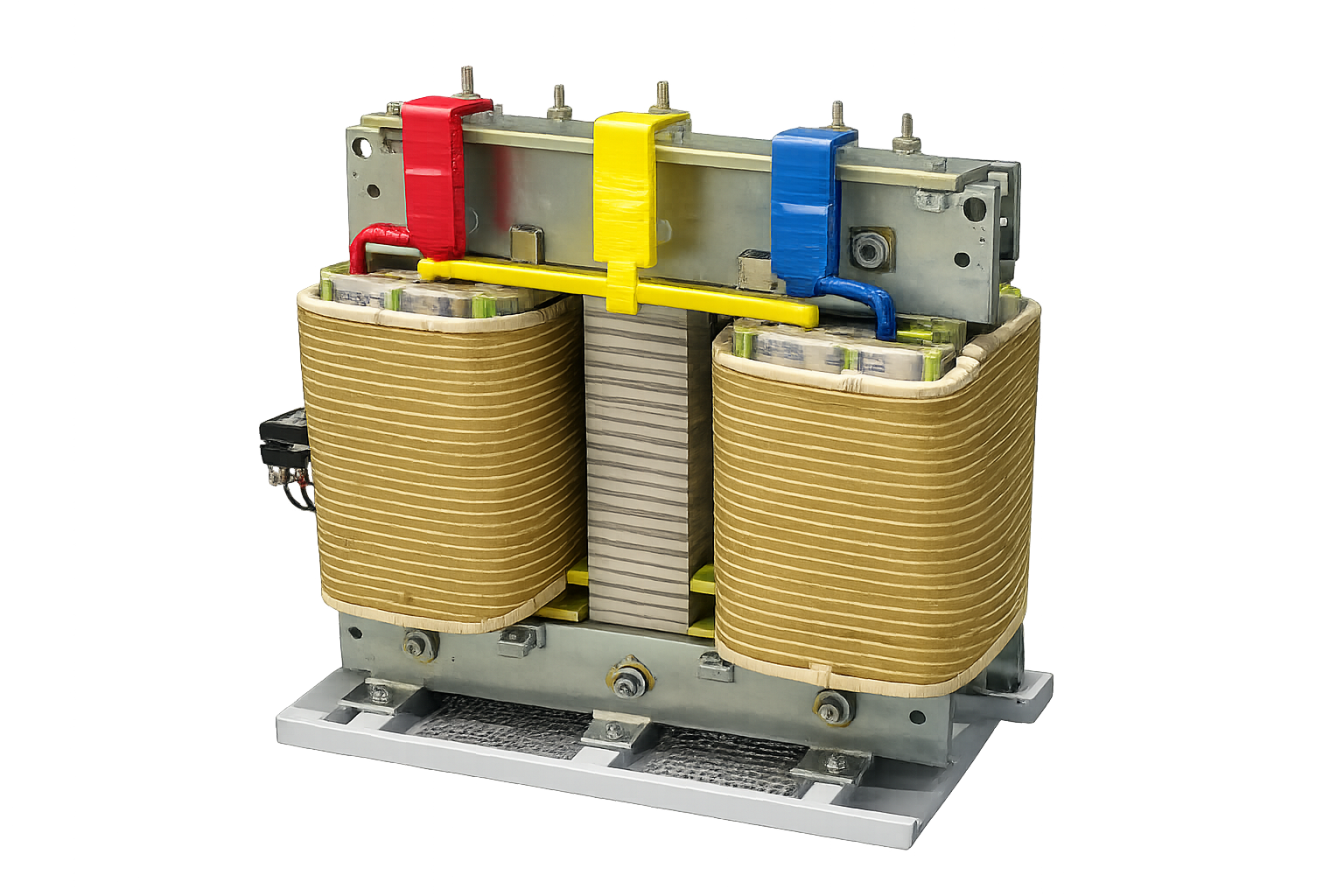
Engineering a 33kV class transformer presents unique technical challenges compared to lower 11kV distribution units. The dielectric stress experienced by winding insulation at 33kV requires elevated Basic Impulse Insulation Levels (BIL)—typically 170kV to 200kV peak impulse withstand ratings—alongside strict control of internal electric field gradients. Sahara Transformers leverages advanced electromagnetic simulation software, high-grade Cold-Rolled Grain-Oriented (CRGO) silicon steel core assemblies, and high-purity electrolytic copper windings to deliver 33kV transformers engineered for continuous heavy-duty service across harsh industrial and ambient environments.
Key Engineering Highlight: Dielectric Strength & Impulse Withstand
At 33kV rated voltage, surge withstand capability is non-negotiable. Our 33kV power distribution transformers are engineered with interleaved disc windings and multi-layer pressboard barriers to ensure optimal impulse voltage distribution, fully compliant with IEC 60076-3 standards for lightning impulse and power-frequency dielectric testing.