Transformer Oil Filtration Services & High-Vacuum Purification Solutions

A Comprehensive Technical Procurement Framework, Dielectric Fluid Regeneration Guide, and Lifecycle Engineering Strategy for Global Industrial Utilities & Heavy Power Infrastructure

Get Catalog
ISO 9001:2015 Certified Facility
17+ Years Engineering Leadership
Up to 10 MVA, 33kV Testing Capacity
IEC 60422 & IEEE C57.106 Standards Compliant
17+ Years
Power Engineering Expertise
BDV > 70 kV
Dielectric Target Recovery
10 MVA / 33kV
Max Operational Handling
< 10 PPM
Moisture Dehydration Level
Global Reach
Industrial & EPC Compliance

The Science of Transformer Oil Degradation & High-Vacuum Filtration Services

In high-voltage electrical power apparatus, liquid insulation plays a dual role: it serves as an indispensable electrical dielectric medium and as a thermal dissipation coolant. Over extended operating cycles under severe thermal stresses, cyclic loading, ambient oxidation, and electromagnetic forces, insulating mineral oil undergoes irreversible physical and chemical degradation. Moisture ingress, dissolved atmospheric gases, solid polar contaminants, sludge formation, and organic acids progressively decay the oil's Breakdown Voltage (BDV) and Interfacial Tension (IFT).

Deploying specialized Transformer Oil Filtration Services is not merely a routine maintenance activity; it is a critical asset-preservation protocol designed to restore liquid insulation parameters to stringent IEC 60422, IEEE C57.106, and IS 1866 technical thresholds. Without high-vacuum thermal degassing and precision micro-filtration, moisture trapped inside transformer oil migrates into the solid cellulose paper insulation. Cellulose degradation is chemically non-reversible and accelerates insulating paper hydrolysis, directly causing premature inter-turn insulation puncture, catastrophic arc faults, and multi-million-dollar unscheduled grid outages.

Engineering Information Gain: The Tri-Stage Purification Process

Standard mechanical filtration only traps coarse solid particles. High-performance Transformer Oil Filtration Services engineered by Sahara Transformers utilize a synchronized multi-stage thermo-vacuum process: Coarse Particulate Pre-Filtration (10–20 micron) → High-Vacuum Thermal Dehydration & Degassing Chamber (< 1 mbar at 60°C–65°C) → Precision Micro-Filtration (< 1 micron nominal). This guarantees the reduction of dissolved moisture from over 50 PPM down to < 10 PPM and dissolved gas content to < 0.1% by volume.

Key Degenerative Factors Targeted by Modern Filtration Plants

Industrial procurement officers, high-voltage substations engineers, and plant maintenance directors must evaluate oil filtration services based on their capability to remediate five specific chemical and physical contamination metrics:

  • Dissolved and Free Water Contamination: Moisture reduces dielectric strength exponentially. At elevated temperatures, water vapor dissolves into the hydrocarbon molecules, accelerating oxidation and lowering the sparkover dielectric breakdown limit.
  • Dissolved Combustible Gases (DGA Profile): Thermal hotspots and partial discharges split hydrocarbon chains into hydrogen (H₂), methane (CH₄), acetylene (C₂H₂), ethylene (C₂H₄), and ethane (C₂H₆). Vacuum degassing vacuums out these volatile gases to restore baseline DGA diagnostic safety.
  • Suspended Particulates and Carbonized Sludge: Microscopic metallic dust, core dust, and carbon traces resulting from On-Load Tap Changer (OLTC) arc switching create conductive pathways along electrical field lines, triggering partial discharge (PD).
  • Organic Acidity and Sludge Byproducts: Soluble acids attack internal copper windings, core laminations, and nitrile gaskets. Advanced thermo-vacuum filtration combined with Fuller’s Earth reclamation neutralizes acid numbers (mg KOH/g).
  • Air Ingress & Dissolved Oxygen: Oxygen acts as a catalyst for thermal polymerization and varnish precipitation, clogging internal oil cooling ducts and inducing transformer overheating.

Recommended Transformer Oil Filtration Systems & Technical Services

Discover Sahara Transformers' comprehensive range of custom-engineered transformer products, mobile oil conditioning plants, and on-site maintenance solutions built for maximum operational reliability.

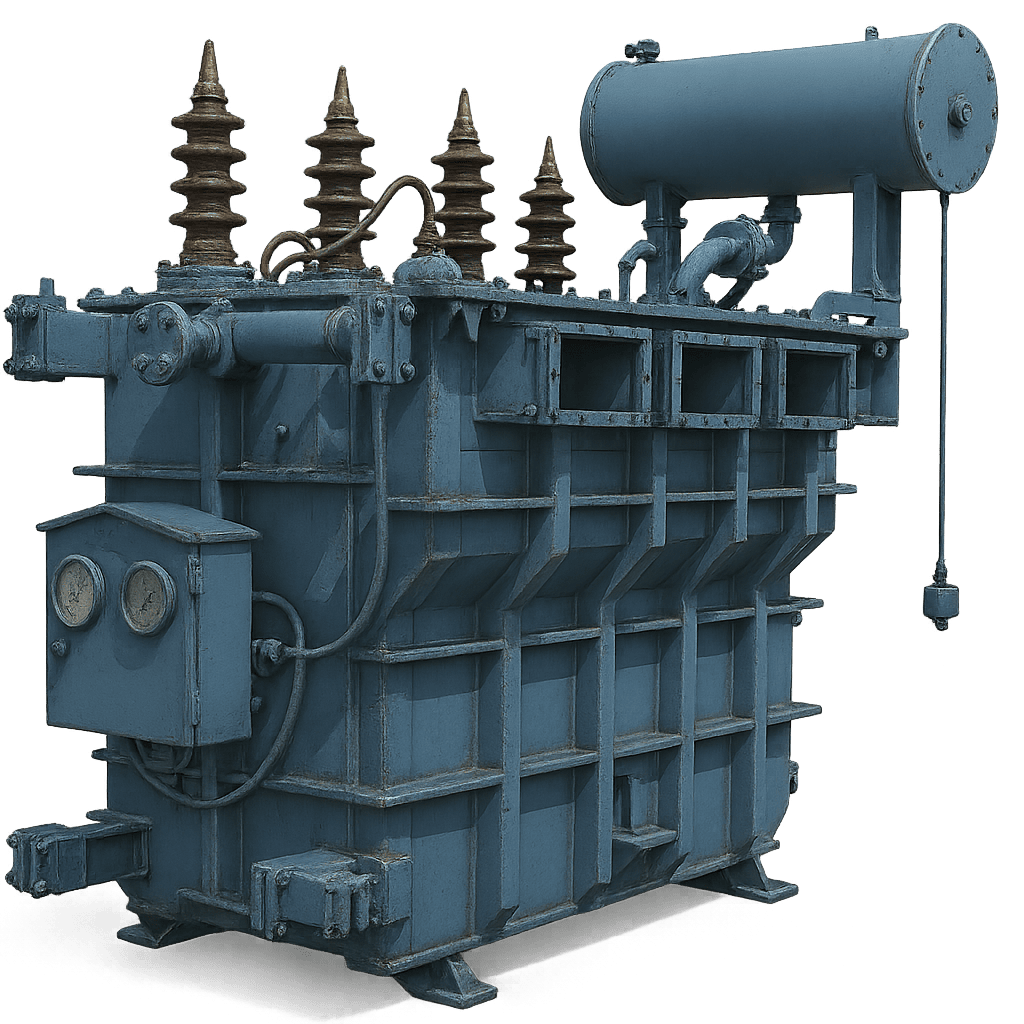
Industrial Power Transformer Maintenance & Filtration

High-Vacuum Mobile Transformer Oil Filtration Plants

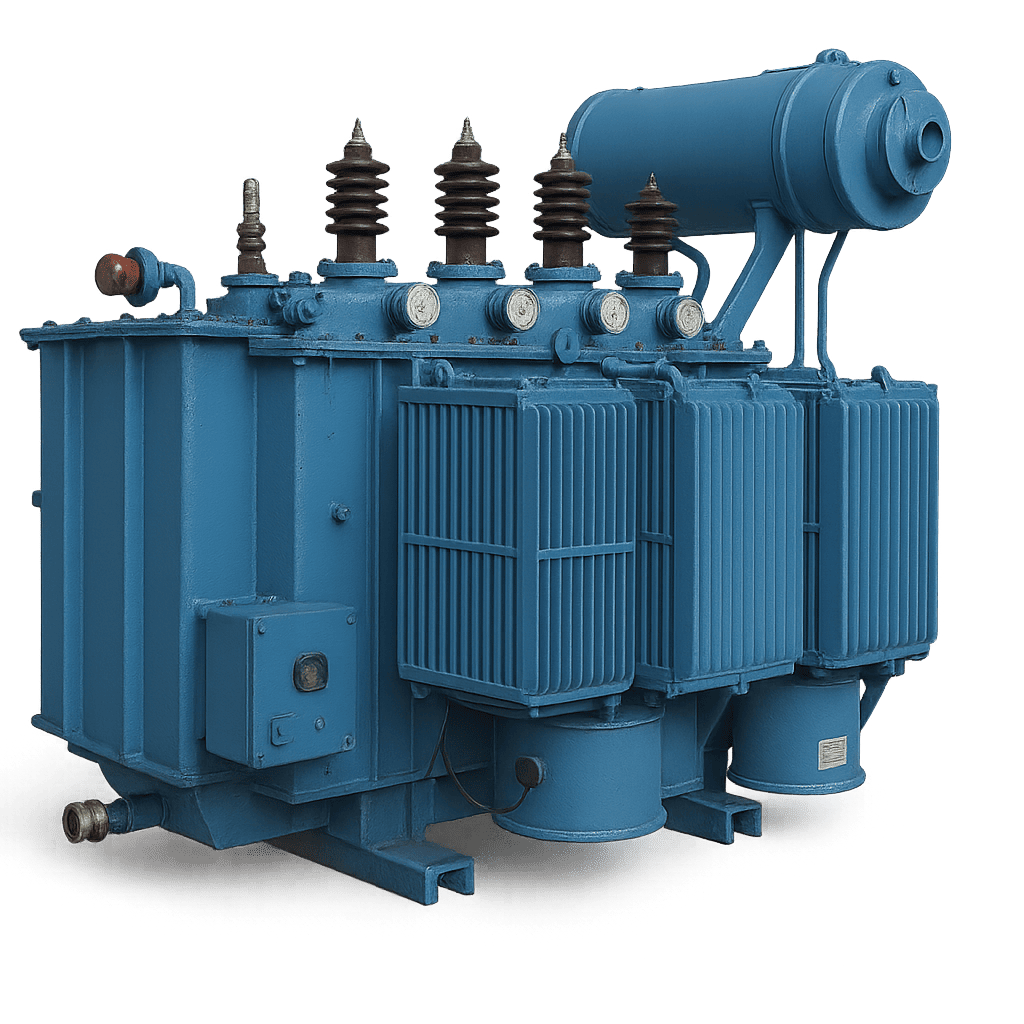
Engineered for on-site field treatment of EHV/HV Power Transformers up to 10 MVA, 33kV. Features dual-stage Roots vacuum booster pumps, low-watt-density indirect electric oil heaters, and automated foam sensors. Restores BDV from <30kV to over 70kV in a single multi-pass cycle.

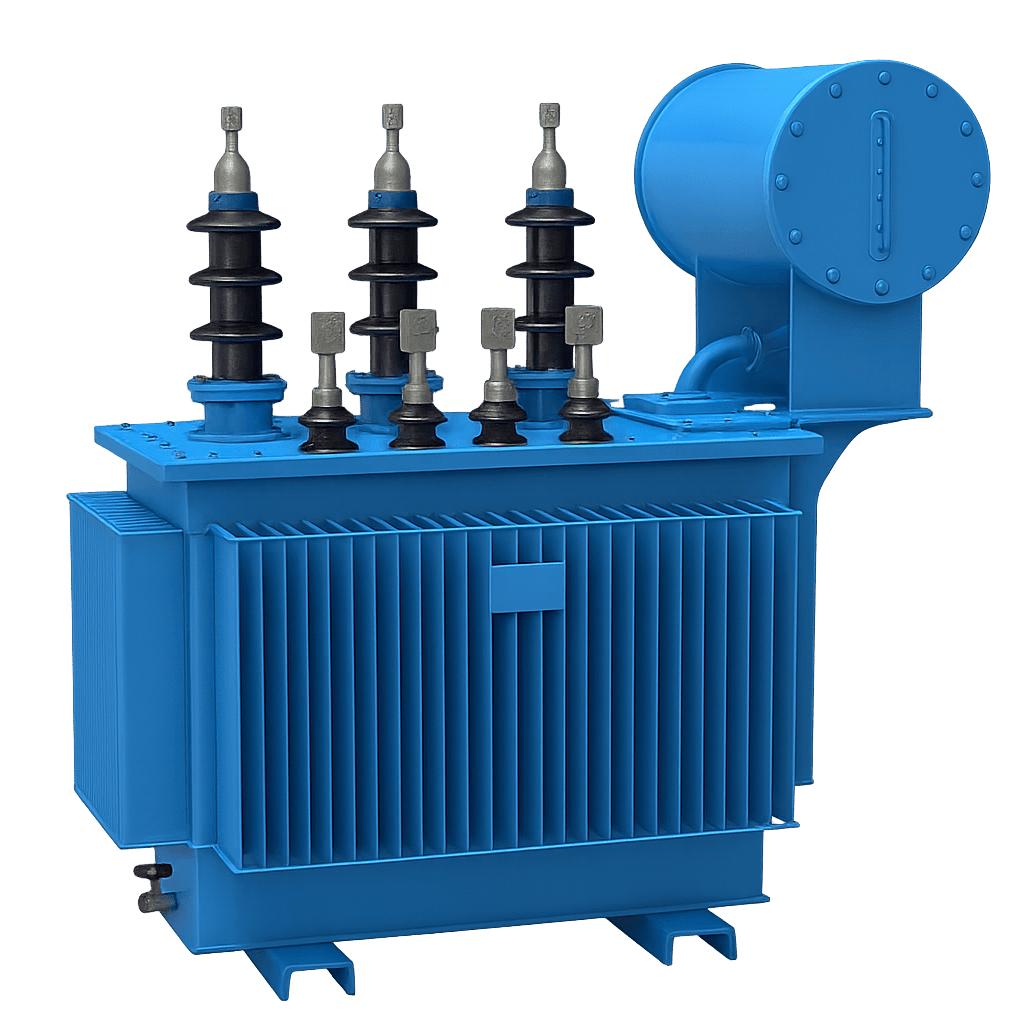
Distribution Transformer Oil Dehydration

Distribution Transformer On-Site Dehydration & Servicing

Compact, skid-mounted oil reconditioning units specifically tailored for industrial distribution transformers. Restores dielectric strength, cleans core assemblies, replaces aged tank gaskets, and guarantees compliance with IS 1180 energy efficiency guidelines.

Solar Inverter Duty Transformer Maintenance

Solar & Renewable Energy Transformer Oil Conditioning

Solar Inverter Duty Transformers experience severe harmonic distortion and rapid temperature fluctuations. Our specialized oil filtration services target high-frequency harmonic sludge and thermal degradation, protecting multi-winding solar step-up transformers.

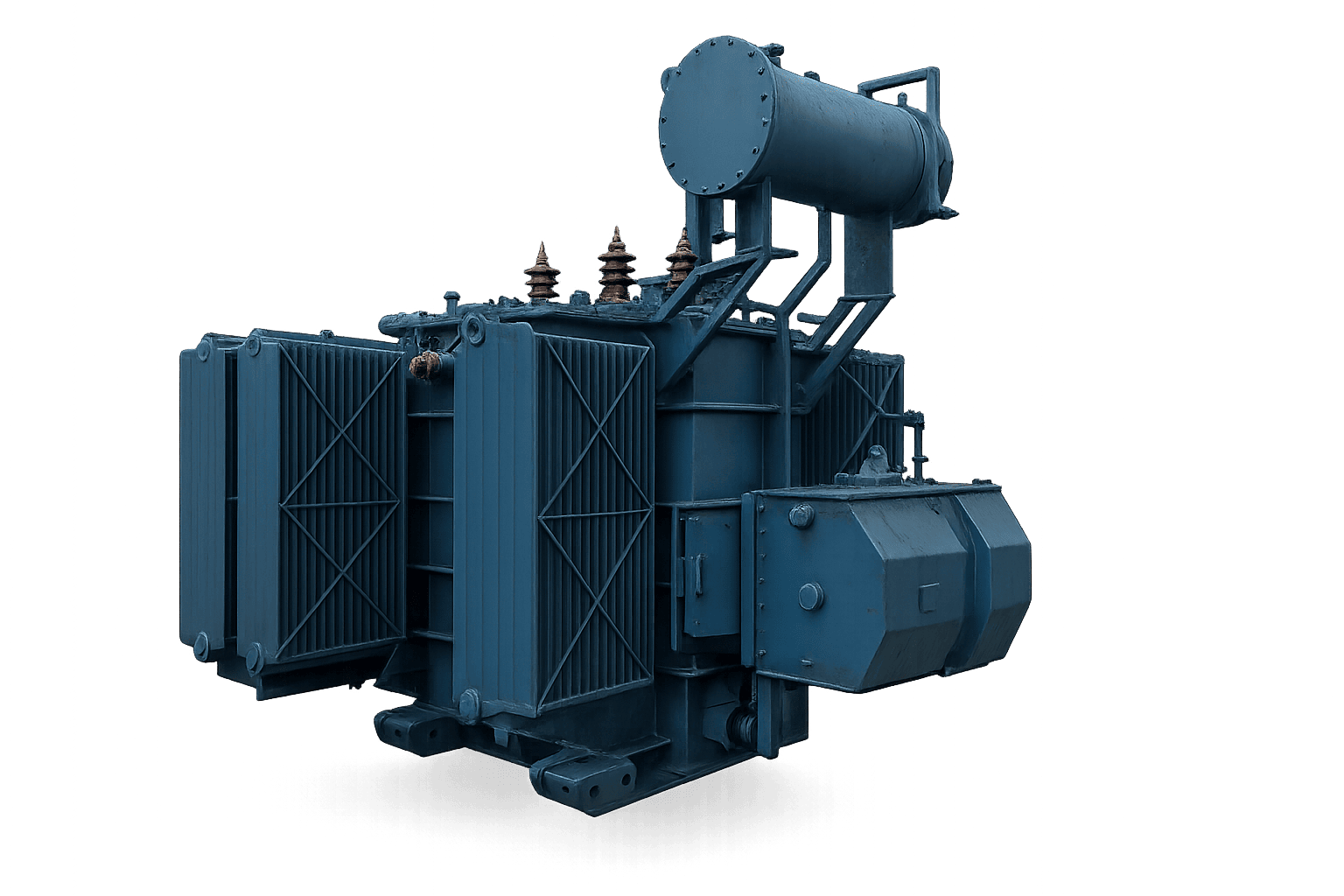
Furnace Transformer Heavy Duty Oil Regeneration

Metallurgical Furnace Transformer Oil Reclamation

Heavy-duty arc furnace transformers operate under extreme cyclic loads and high secondary current stresses. Sahara’s specialized oil reclamation combines Fuller's Earth adsorption with high-vacuum degassing to eliminate severe carbonization and acid sludge.

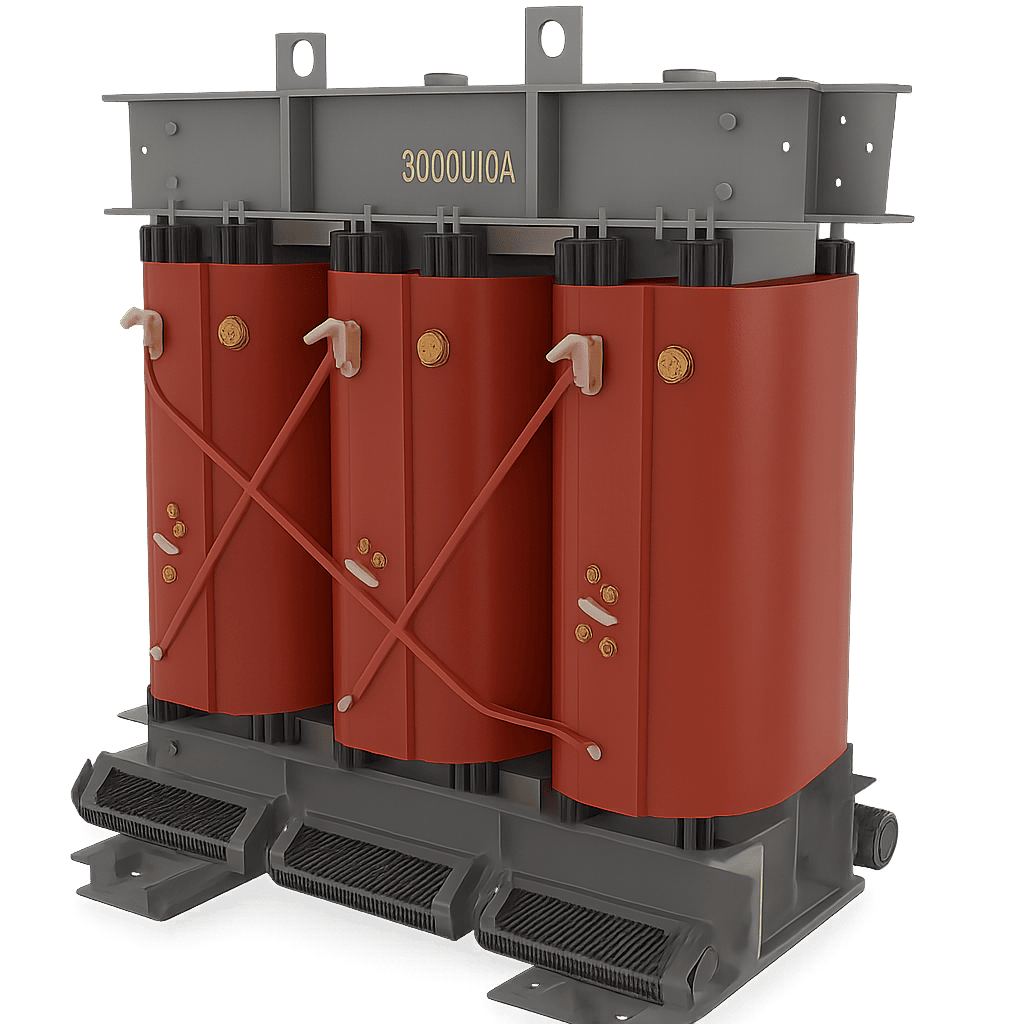
Dry Type Cast Resin Transformers Alternative

Dry Type & Cast Resin Maintenance-Free Upgrade Options

For installations where oil management presents environmental or fire risk challenges, Sahara manufactures IEC 60076-11 compliant Dry Type & Cast Resin Transformers. Zero fluid maintenance, fire-safe Class F/H insulation, and total moisture immunity.

Compact Substation CSS Integration

Compact Substation (CSS) Integrated Fluid Servicing

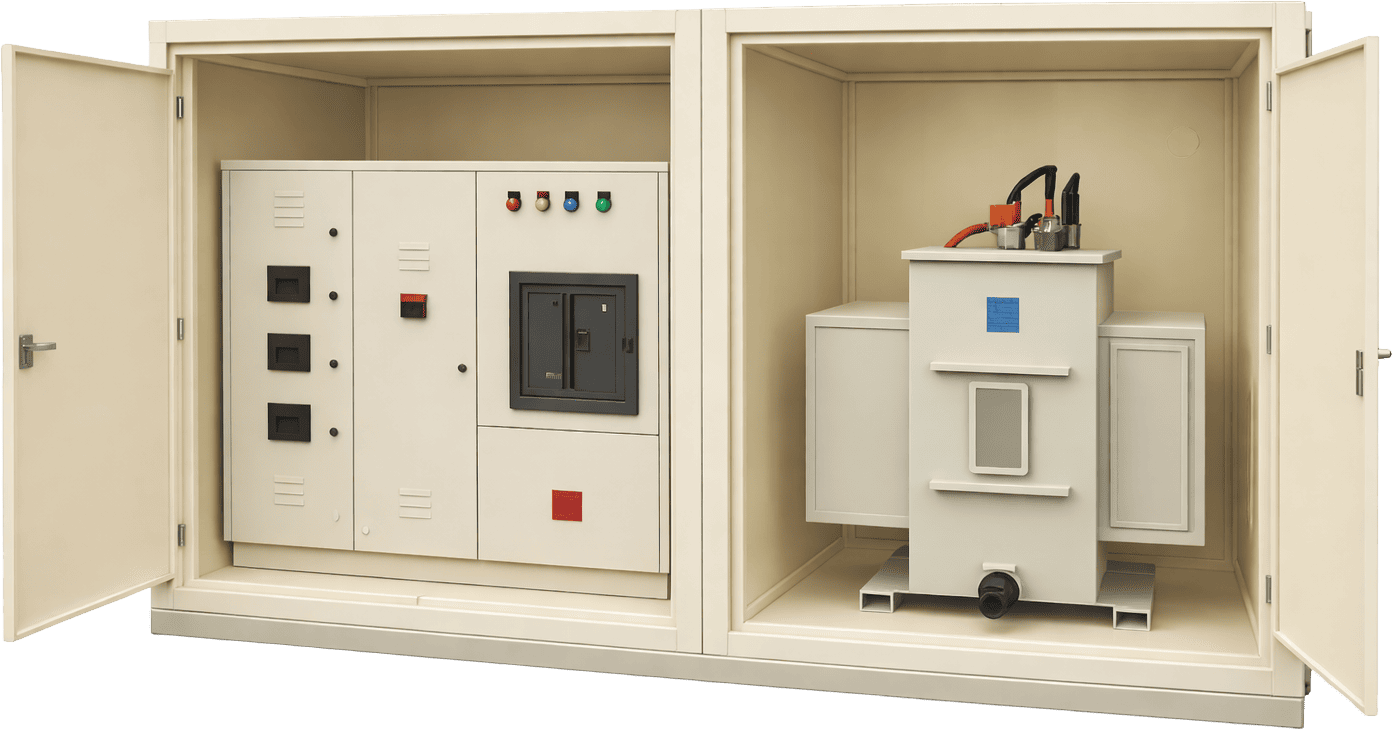
Turnkey servicing for factory-assembled Compact Substations. Includes internal liquid dielectric testing, SF6 ring main unit inspection, LT switchgear calibration, and closed-loop oil filtration within confined footprint substations.

The global power transmission and industrial distribution landscape is undergoing a massive transformation driven by grid decarbonization, smart substation automation, and stringent ESG (Environmental, Social, and Governance) compliance standards. Global procurement directors and plant asset managers are shifting away from reactive break-fix oil replacement toward predictive, continuous, and ecologically sustainable oil lifecycle management strategies.

1. Paradigm Shift Toward Natural & Synthetic Ester Dielectric Fluids

Mineral oil has historically dominated liquid insulation due to cost efficiency. However, future procurement trends highlight a rapid migration toward eco-friendly, high-fire-point ester fluids (such as K-class natural esters derived from vegetable oils or synthetic polyol esters). Ester fluids possess fire points exceeding 300°C and superior biodegradability. Implication for Oil Filtration Services: Ester fluids exhibit higher moisture saturation limits and require tailored thermo-vacuum processing temperatures and specialized filter media to prevent chemical breakdown during dehydration cycles.

2. Integration of Continuous Online Oil Conditioning & IoT DGA Sensors

Periodic off-line oil sampling is quickly being supplemented by real-time continuous oil monitoring systems. Modern power utilities are procuring transformers equipped with smart online vacuum oil conditioning skids and photo-acoustic spectroscopy (PAS) Dissolved Gas Analysis sensors. These systems continuously monitor hydrogen, moisture, and CO/CO₂ ratios, automatically initiating micro-filtration protocols before dielectric breakdown voltage degrades below operational safety thresholds.

3. Closed-Loop On-Site Oil Regeneration vs. Fluid Disposal

Environmental regulations and volatile crude oil refining prices make bulk oil replacement economically and environmentally unviable. Future procurement tenders prioritize closed-loop oil reclamation services utilizing reactivatable Fuller's Earth systems. This technology strips polar oxidation products, restores oil color to light yellow, and reduces neutralizing acid values without generating hazardous waste oil streams, delivering up to a 60% reduction in total life-cycle maintenance expenditure.

4. Modular Mobile Skid Filtration Units for Emergency Power Restoration

EPC contractors, utility operators, and data center operators are increasingly specifying weather-proof, containerized mobile high-vacuum filtration units capable of rapid deployment. These skids incorporate automated moisture sensors, digital flow meters, explosion-proof electrical enclosures, and remote telemetry for seamless operation in extreme desert, coastal, or arctic industrial environments.

Get Catalog

Global Sectors Utilizing Our Oil Filtration Services

Sahara Transformers delivers high-precision dielectric maintenance across high-reliability industrial infrastructure worldwide.

Power Generation Utilities Oil Filtration

Power Generation & Distribution Utilities

Engineering Manufacturing Transformer Maintenance

Engineering, Manufacturing & Automotive

Real Estate Infrastructure Power Solutions

Real Estate & Infrastructure Projects

EPC Contractors Turnkey Transformer Oil Services

EPC Contractors & Turnkey Projects

Data Centers and Hospitals Critical Power Maintenance

Hospitals, Data Centers & IT Parks

Government Infrastructure Transformer Servicing

Government & Semi-Government Organizations

Oil Gas Heavy Industry Transformer Reclamation

Oil, Gas & Heavy Chemical Industries

Solar Renewable Energy Transformer Oil Conditioning

Solar & Renewable Energy Plants

Transformer Oil Quality Parameters: Before vs. After Filtration

Benchmark performance standards guaranteed by Sahara Transformers' high-vacuum oil filtration services.

Diagnostic Parameter Standard Testing Method Degraded Oil Status (Action Required) Post-Filtration Target (Sahara Standard) Operational Impact on Transformer
Breakdown Voltage (BDV) IEC 60156 / IS 6792 < 30 kV > 70 kV Prevents dielectric flashover and internal winding short-circuits.
Moisture Content (Water) IEC 60814 / IS 13567 (Karl Fischer) > 35 PPM < 10 PPM Stops paper insulation hydrolysis and preserves asset lifespan.
Dissolved Gas Content IEC 60567 / ASTM D3612 > 2.0% Vol < 0.1% Vol Eliminates explosive gases and prevents Buchholz relay tripping.
Filtration Rating (Particles) ISO 4406 Cleanliness Code > 25 microns < 1 micron nominal Removes conductive carbon particles and metallic wear debris.
Interfacial Tension (IFT) ASTM D971 / ISO 6295 < 18 mN/m > 40 mN/m Indicates complete removal of polar contaminants and sludge precursors.
Dielectric Dissipation (Tan δ) IEC 60247 at 90°C > 0.05 < 0.005 Minimizes dielectric heating losses within the insulating fluid.
Neutralization Value (Acidity) IEC 62021 / IS 1448 > 0.20 mg KOH/g < 0.03 mg KOH/g Prevents acidic corrosion of tank inner walls and copper windings.
Get Catalog

Frequently Asked Questions: Transformer Oil Filtration Services

Expert answers based on Google E-E-A-T principles, international electrical standards (IEC/IEEE), and 17+ years of transformer manufacturing experience.

How frequently should industrial transformer oil undergo vacuum filtration services?

As per IEC 60422 guidelines, routine oil sampling for breakdown voltage (BDV), moisture, and Dissolved Gas Analysis (DGA) must be conducted at least once annually for distribution transformers and semi-annually for power transformers rated above 5 MVA or operating under severe industrial load cycles (such as furnace duty or solar inverter step-up applications).

If BDV drops below 30 kV or moisture content exceeds 25 PPM, immediate online or offline vacuum oil filtration services must be initiated. High-load industrial transformers benefit significantly from scheduled preventive filtration every 2 to 3 years to prevent paper insulation moisture saturation.

What is the technical difference between standard oil reconditioning and Fuller's Earth chemical reclamation?

Standard thermal vacuum oil reconditioning removes free and dissolved moisture, dissolved gases, and coarse mechanical particles. However, reconditioning cannot remove soluble acidic compounds, dark oxidation products, or polar varnish sludges dissolved in aging oil.

Fuller's Earth chemical reclamation incorporates active clay adsorption columns into the vacuum filtration skid. The clay surface adsorbs organic acids, sludges, and polar contaminants, restoring oil color to light amber, improving Interfacial Tension (IFT > 40 mN/m), and reducing acidity to < 0.03 mg KOH/g, effectively rejuvenating old oil to near-virgin condition.

Can transformer oil filtration be performed while the transformer is energized (Online Filtration)?

Yes, online oil filtration can be safely executed on medium and high-voltage transformers using specialized, automated online conditioning skids equipped with de-aeration traps, oil flow safety interlocks, and Buchholz protection systems. Online filtration is highly beneficial because the transformer's operating heat helps drive trapped moisture out of the solid paper insulation into the circulating oil stream.

However, for transformers exhibiting critical DGA gas spikes (such as high acetylene levels indicating active internal arcing), the unit must be de-energized and isolated prior to initiating vacuum filtration services.

Why does moisture in oil accelerate cellulose paper insulation aging irreversibly?

Transformer solid insulation consists of kraft paper and pressboard made of cellulose polymer chains. Water molecules act as a thermal catalyst that hydrolyzes and breaks these long-chain polymers (measured as Degree of Polymerization or DP value). When DP drops from ~1000 (new paper) to < 200, the paper loses mechanical tensile strength and becomes brittle.

While oil filtration services remove water from the liquid dielectric, moisture equilibrium causes water to migrate from the paper into dry oil. Prolonged dry-oil circulation eventually dries out the paper, extending overall transformer life by decades.

What standard equipment specs should buyers look for when procuring mobile oil filtration machines?

Global procurement teams should evaluate mobile high-vacuum oil purification plants based on the following engineering parameters:

  • Flow Rate Capacity: Matched to transformer oil volume (e.g., 1,000 LPH to 10,000 LPH).
  • Vacuum Pump System: Combination of rotary vane vacuum pump and mechanical Roots booster achieving ultimate vacuum < 0.05 mbar.
  • Heating System: Indirect, low-watt-density electric heaters (< 1.5 W/cm²) to prevent localized thermal cracking of oil molecules.
  • Filter Media Rating: Multi-stage filtration down to 1 micron nominal particle capture.
  • Safety Interlocks: Automatic high pressure switch, low flow cutoff, anti-foam sensors, and digital phase sequence correctors.

How does oil filtration impact On-Load Tap Changer (OLTC) reliability?

On-Load Tap Changers undergo mechanical switching under load, generating heavy carbonization and arc debris in the OLTC oil compartment. If contaminated OLTC fluid leaks into the main tank or causes mechanical binding, tap changer failure occurs. Dedicated OLTC filtration units continuously remove carbon particles and moisture, extending tap contact life and preventing tap changer explosions.

Optimize Your Transformer Dielectric Asset Health Today

Partner with Sahara Transformers for certified Transformer Oil Filtration Services, custom-engineered high-vacuum oil plants, and turnkey power transformer manufacturing up to 10 MVA, 33kV. Request our complete technical catalog and service specifications now.

Get Catalog