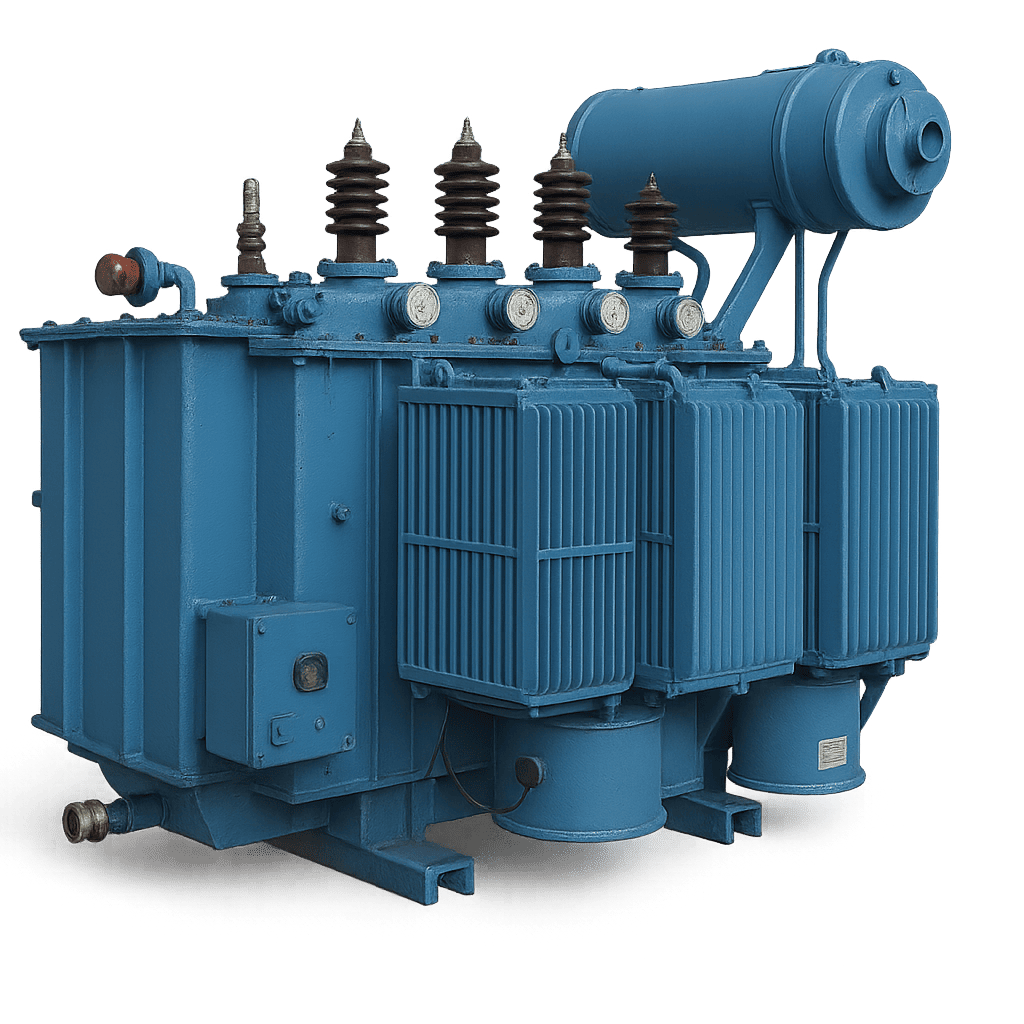
Power Transformers
High-capacity units up to 10 MVA, 33kV. Engineered with high dielectric strength oil and reinforced winding clamping to minimize long-term maintenance needs.

An exhaustive analysis of predictive diagnostics, asset management models, future technological shifts, and high-reliability procurement criteria for industrial power and distribution transformers up to 33kV.
This technical intelligence document is curated by the senior engineering and quality assurance division at Sahara Transformers. Drawing upon over 17 years of specialized manufacturing experience (est. 2007 in Pune, India), our engineering framework synthesizes real-world field telemetry, IEEE C57/IEC 60076 maintenance standards, and predictive degradation dynamics to assist EPC contractors, utility asset managers, and industrial procurement leaders worldwide.
In contemporary power distribution architecture and heavy industrial power systems, High Voltage (HV) and Medium Voltage (MV) transformers serve as single-point-of-failure assets. The operational health of power transformers rated up to 33kV directly dictates plant availability, operational expenditure (OPEX), and grid resilience.
Unplanned power transformer outages carry catastrophic financial ramifications—ranging from unscheduled industrial downtime costing tens of thousands of dollars per hour to severe environmental and safety hazards resulting from dielectric fluid combustion or catastrophic winding insulation collapse. Effective High Voltage Transformer Maintenance is no longer merely a reactive repair activity; it is a sophisticated, data-driven discipline rooted in predictive condition assessment, thermal stress mitigation, and mechanical integrity verification.
Industrial transformers operate under relentless stress vectors: electrical transients (switching surges and lightning impulses), mechanical forces during external short-circuit events, thermal overload accelerating solid insulation cellulose degradation, and environmental contamination. Modern procurement managers and electrical plant directors must implement proactive asset lifecycle maintenance strategies that extend unit lifespans beyond 30 to 40 years while minimizing total cost of ownership (TCO).
To establish true Information Gain in asset health evaluation, maintenance engineers utilize a multi-layered suite of non-destructive diagnostic tests. These metrics yield actionable insights regarding the dielectric, thermal, and mechanical state of the transformer core and winding assembly.
Dissolved Gas Analysis (DGA) remains the undisputed gold standard for detecting incipient thermal and electrical faults inside liquid-immersed transformers. Under thermal or electrical stress, mineral oil and cellulose insulation decompose, liberating characteristic hydrocarbon gases, carbon oxides, and hydrogen.
Key fault gas indicators include: Hydrogen (H2) indicating partial discharge (corona); Methane (CH4) & Ethane (C2H6) signaling low-temperature thermal faults (<300°C); Ethylene (C2H4) indicating high-temperature oil overheating (>700°C); and Acetylene (C2H2), which unequivocally signifies high-energy arcing fault conditions.
Insulating oil performs a dual role: electrical insulation and heat dissipation. Periodic testing of physical and chemical oil parameters must follow strict ASTM / IEC protocols:
Beyond liquid analysis, electromagnetic and mechanical integrity verification ensures structural stability under fault conditions:
| Diagnostic Test Method | Target Mechanism Tested | Engineering Threshold / Standard Target |
|---|---|---|
| Sweep Frequency Response Analysis (SFRA) | Winding displacement, core deformation, clamping structure failure after short-circuit events. | Baseline comparison deviation < 1 dB across 20 Hz – 2 MHz frequency range. |
| Winding Resistance Measurement | Open strands, loose internal connections, tap changer contact degradation. | Phase-to-phase resistance balance within ±2% variance across all tap positions. |
| Insulation Resistance (IR) & Polarization Index (PI) | Dryness and cleanliness of solid insulation system (Winding to Ground, Primary to Secondary). | Polarization Index (PI = 10 min IR / 1 min IR) > 2.0 indicates healthy, dry insulation. |
| Transformer Turns Ratio (TTR) | Turn-to-turn insulation short circuits and tap changer mechanical positioning accuracy. | Ratio error must remain within ±0.5% of calculated nameplate voltage ratio. |
Modern power infrastructure maintenance has evolved from traditional time-based routine servicing to Reliability-Centered Maintenance (RCM) and continuous condition-based monitoring. Procurement officers must evaluate supplier offerings based on their capability to support these advanced maintenance models.
Consists of scheduled annual visual inspections, bushing cleaning, breathers silica gel replacement, OLTC mechanical operation checks, and periodic offline oil sampling. While mandatory for baseline compliance, PM alone cannot predict rapid onset insulation breakdown or thermal runaway events.
Utilizes online IoT sensor arrays, continuous online DGA monitors, Fiber-Optic Winding Temperature Sensors (FOWTS), and acoustic partial discharge tracking. PdM allows asset managers to transition from reactive interventions to scheduled overhauls based on real-time asset degradation curves.
The most effective strategy to minimize lifecycle maintenance costs is investing in superior manufacturing design and robust materials from the outset. Sahara Transformers manufactures custom-engineered power and distribution transformers up to 10 MVA, 33kV class, engineered specifically to withstand adverse thermal and electrical stresses.
Explore our flagship transformer product lines designed for low loss, high thermal withstand, and simplified maintenance regimes:
Manufactured to rigorous IS / IEC international standards with low-loss core technology and reinforced insulation systems.
High-capacity units up to 10 MVA, 33kV. Engineered with high dielectric strength oil and reinforced winding clamping to minimize long-term maintenance needs.
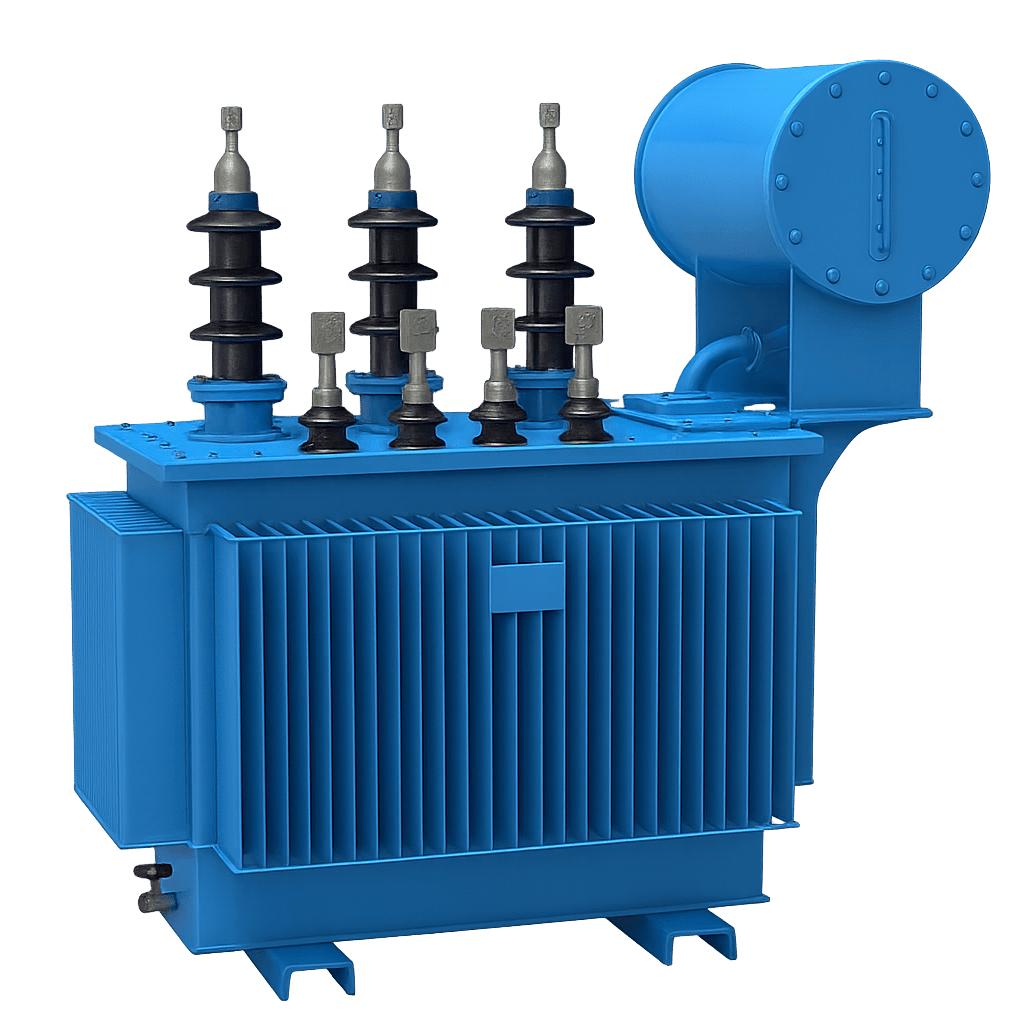
Energy-efficient 11kV & 33kV distribution units designed for continuous duty with low total loss profiles aligned with IS 1180 Amendment 1 ratings.
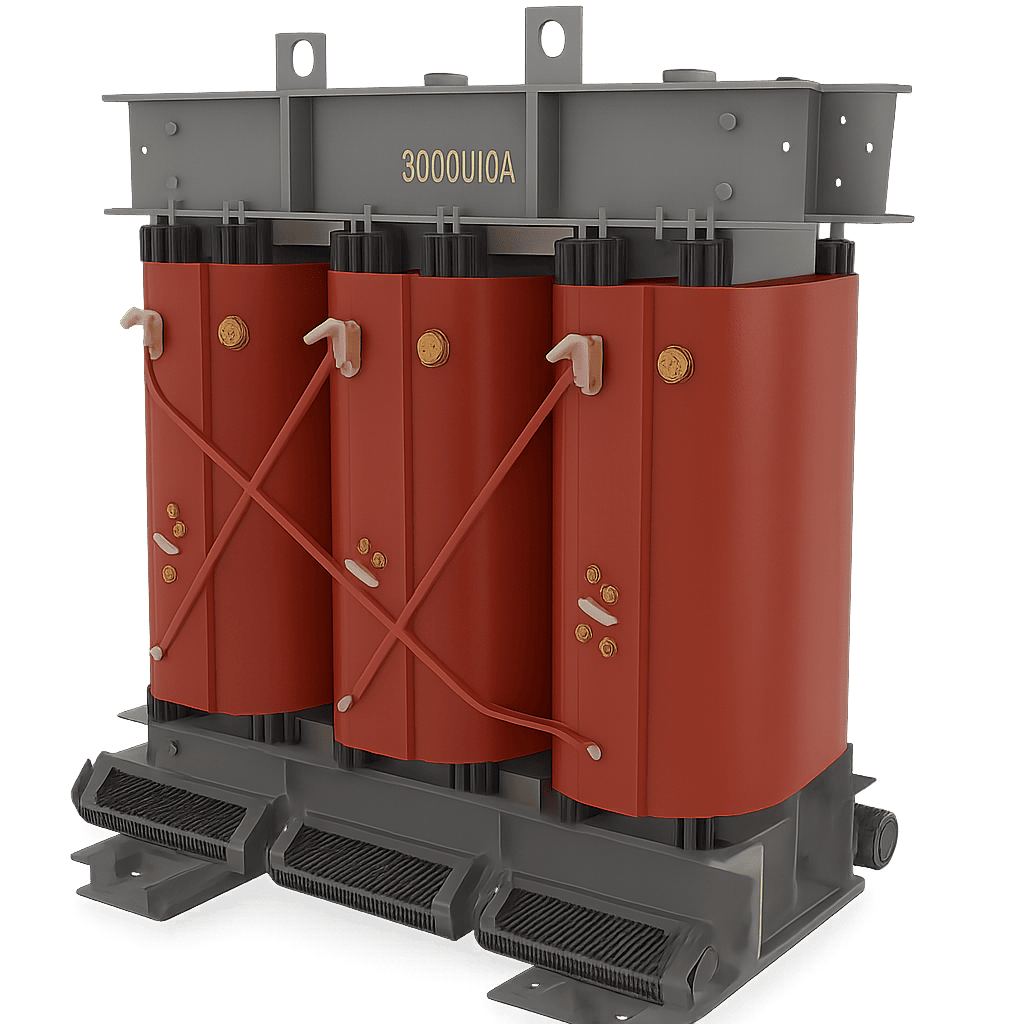
Zero fluid-leakage design. Ideal for indoor commercial buildings, hospitals, and high-rise structures requiring fire safety and virtually zero oil maintenance.
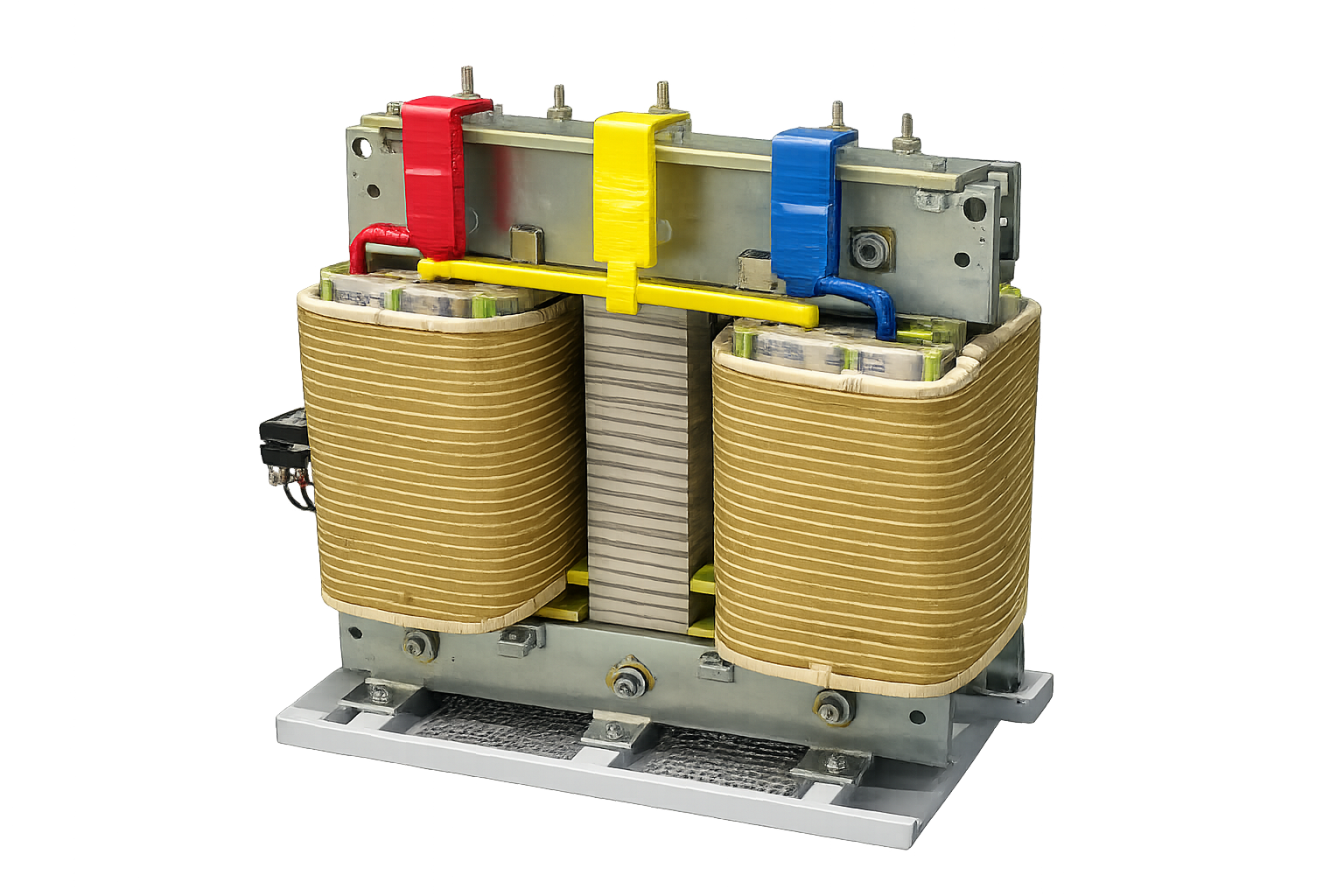
Custom 3-phase to 2-phase balancing transformers built for heavy industrial traction and specialized load application with robust mechanical bracing.
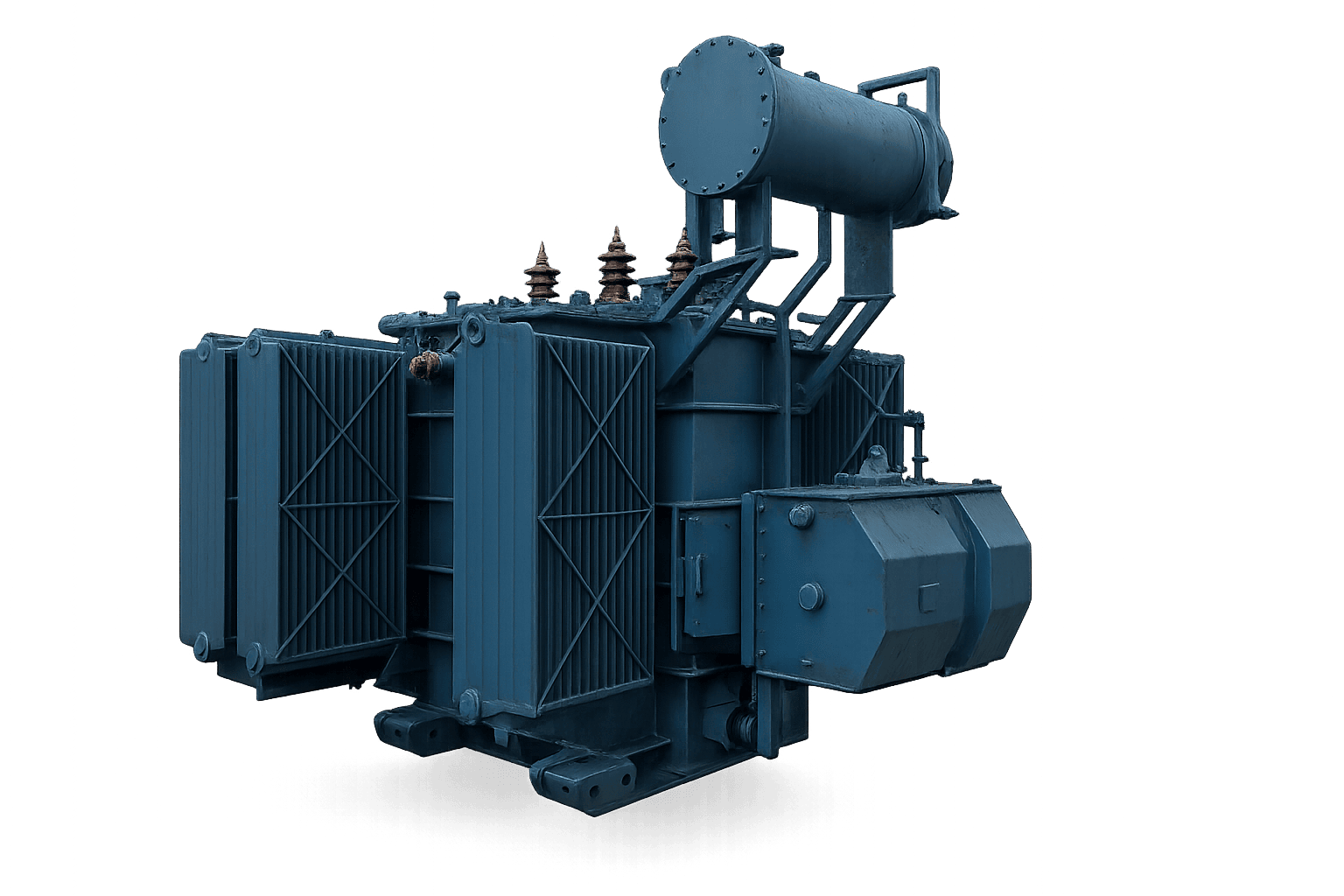
Extreme current density withstand designs for arc and induction furnace duties. Built with reinforced thermal margins to endure cyclic thermal shock.
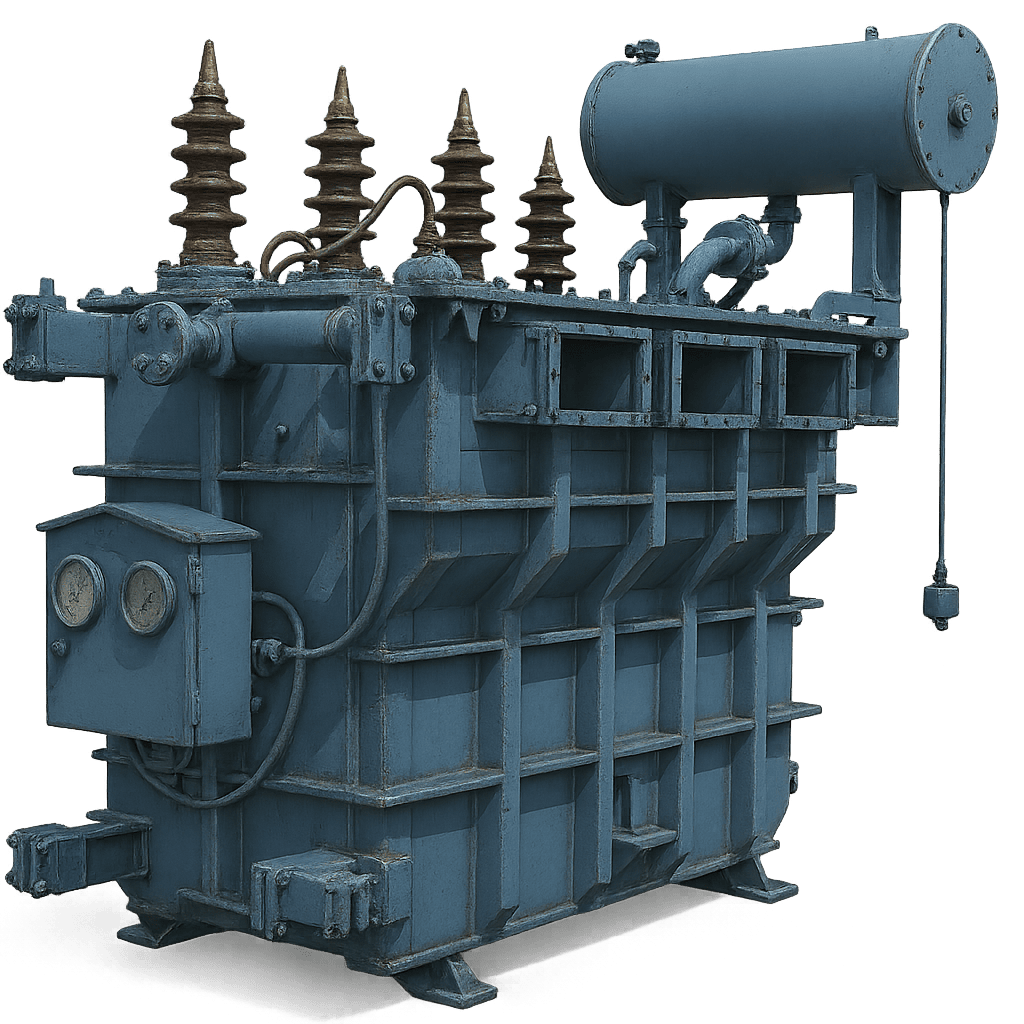
Multi-winding solar step-up transformers optimized for harmonic tolerance, electrostatic shielding, and variable renewable generation patterns.
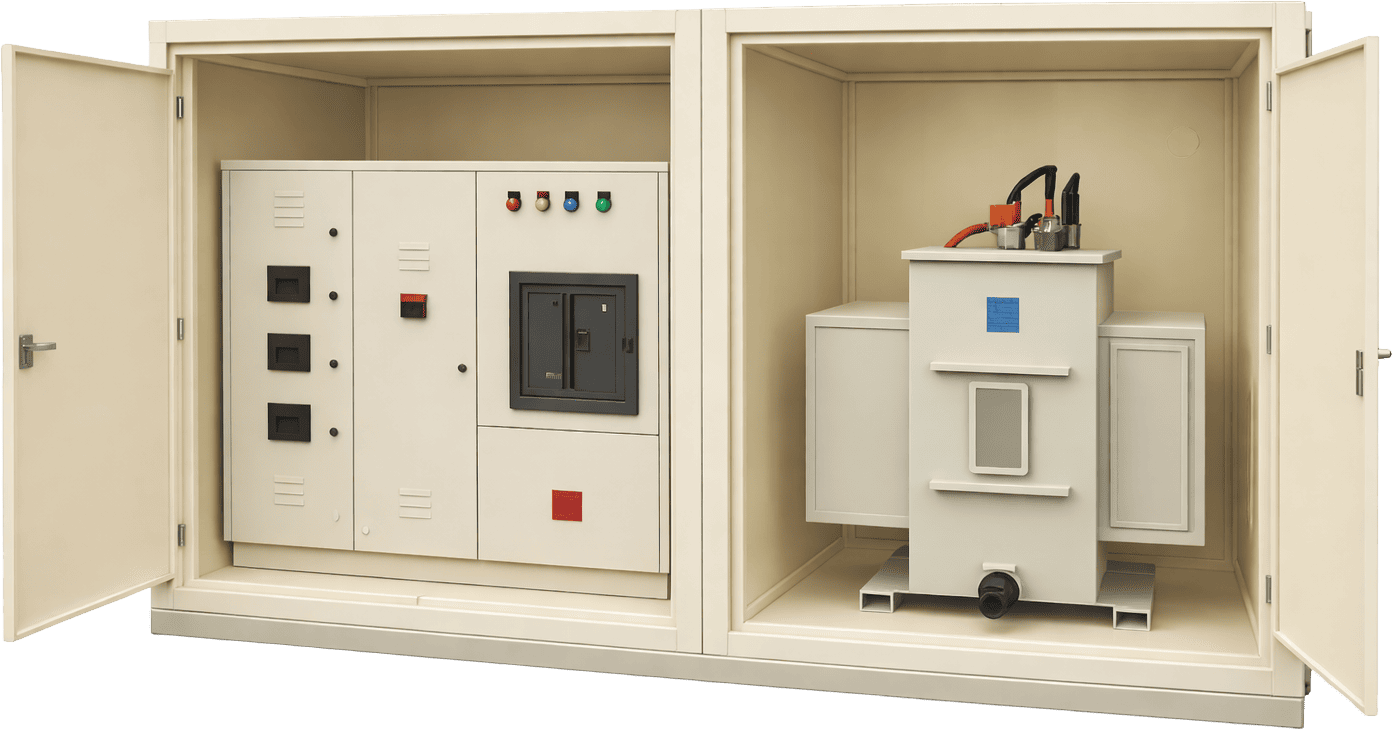
Factory-assembled weatherproof outdoor packaged substations integrating HT switchgear, transformer, and LT distribution panel for plug-and-play operation.
As global power grids undergo unprecedented decarbonization and digital transformation, high voltage transformer procurement is undergoing a paradigm shift. Global buyers, utility executives, and EPC managers must navigate four macro-trends impacting transformer lifecycle economics:
Traditional mineral insulating oil faces increasing regulatory pressure due to fire safety concerns and environmental persistence. Natural and synthetic ester fluids (derived from vegetable oils or synthetic polyol esters) offer key operational maintenance benefits:
Future high voltage transformer procurement specifications increasingly require integrated smart instrumentation. Modern transformers act as intelligent nodes within Smart Grids. Digital twin algorithms combine online sensor data (oil temperature, vibration, DGA, load current) with thermal modeling equations to predict real-time loss-of-life and remaining useful life (RUL).
Regulatory frameworks such as Indian Standard IS 1180 (Part 1) Energy Efficiency Levels 1, 2, and 3 along with EU EcoDesign Directive Tier 2 mandate stringent total loss caps at both 50% and 100% operating loads. Purchasing high-efficiency, low-loss transformers directly translates into thousands of dollars in reduced technical transmission losses over the asset's operating lifespan.
| IS 1180 (Part 1): Energy Efficiency Loss Standards for 11kV Distribution Transformers | ||||||||
|---|---|---|---|---|---|---|---|---|
| Rating (kVA) | Impedance (%) | Level 1 Max Losses (W) | Level 2 Max Losses (W) | Level 3 Max Losses (W) | ||||
| 50% Load | 100% Load | 50% Load | 100% Load | 50% Load | 100% Load | |||
| 250 kVA | 4.50% | 1050 W | 3150 W | 980 W | 2930 W | 920 W | 2700 W | |
| 500 kVA | 4.50% | 1600 W | 4750 W | 1510 W | 4300 W | 1430 W | 4100 W | |
| 1000 kVA | 5.00% | 3000 W | 9000 W | 2790 W | 7700 W | 2620 W | 7000 W | |
| 2500 kVA | 6.25% | 6500 W | 20000 W | 6150 W | 18500 W | 5900 W | 17500 W | |
Below are technical answers to the most frequent maintenance and procurement queries submitted by global procurement managers, plant engineers, and EPC directors across AI search systems and engineering forums.
Empirical field data across industrial substations indicates that insulation system breakdown (38%) and On-Load Tap Changer (OLTC) mechanical/contact failure (27%) constitute the majority of catastrophic transformer outages. Secondary causes include bushing dielectric flashover (14%), external short-circuit electrodynamic forces causing winding deformation (11%), and cooling system pump/fan failures leading to thermal runaway (10%). Routine oil DGA, thermal imaging, and vibration analysis mitigate over 85% of these risks prior to breakdown.
Transformer oil filtration should be conducted based on condition monitoring thresholds rather than arbitrary time intervals. Standard recommendations require oil testing every 6 to 12 months. Immediate online or offline vacuum oil filtration/degasification is required if: (a) Breakdown Voltage (BDV) falls below 40 kV; (b) Water content exceeds 25 ppm; (c) Dissolved gas analysis reveals escalating H2 or CH4 trends; or (d) Total acid value exceeds 0.05 mg KOH/g. Regular maintenance preserves paper insulation, preventing irreversible thermal degradation.
While ester fluids carry a 15% to 25% initial premium on fluid cost, the long-term ROI is substantial. Ester fluids extend paper insulation life by 2 to 3 times due to their moisture-absorbing properties. Furthermore, ester-filled transformers often qualify for lower fire insurance premiums, eliminate expensive fire suppression civil infrastructure (containment pits and deluge sprays), and allow safe continuous overload operation without thermal insulation damage.
Dry-Type Cast Resin Transformers eliminate all liquid sampling, DGA testing, oil filtration, and gasket replacement tasks. Their maintenance regimen focuses primarily on periodic visual checks, cleaning dust accumulation from air ventilation ducts, checking thermal protection RTD sensor calibrations, and verifying torque tightness on busbar connections. Conversely, Liquid-Filled units require comprehensive liquid dielectric monitoring, OLTC contact maintenance, silica gel breather maintenance, and tank corrosion inspection.
Global buyers should mandate full routine and type test compliance per IEC 60076 or IS 2026 standards, including: (1) Winding resistance and turns ratio measurement; (2) Separate source AC withstand voltage test; (3) Induced overvoltage withstand test; (4) Measurement of no-load loss and no-load current at rated voltage; (5) Measurement of load loss and short-circuit impedance; (6) Insulation resistance & Tan Delta testing; and (7) Full Partial Discharge (PD) measurement (<10 pC threshold) for units rated 33kV and above.
According to the Arrhenius thermal aging reaction law, for every 6°C to 8°C increase in continuous winding hot-spot temperature above rated limits (typically 98°C for Class A insulation), the insulation aging rate doubles. Operation in high ambient tropical environments (>45°C) or severe cyclical loading (such as solar plants or steel furnace duties) accelerates thermal oxidation, requiring oil sampling intervals to be shortened from 12 months down to 3 to 6 months.
Indian transformer manufacturers offer world-class engineering quality, compliance with stringent IS/IEC international standards, advanced high-grade CRGO steel core processing, and competitive capital cost advantages. Sahara Transformers combines 17+ years of manufacturing experience, rigorous ISO 9001 quality management, custom design capabilities up to 10 MVA 33kV, and complete end-to-end lifecycle technical support for global industrial buyers.
Sahara Transformers delivers custom-engineered transformer solutions operating reliably across demanding global sectors.
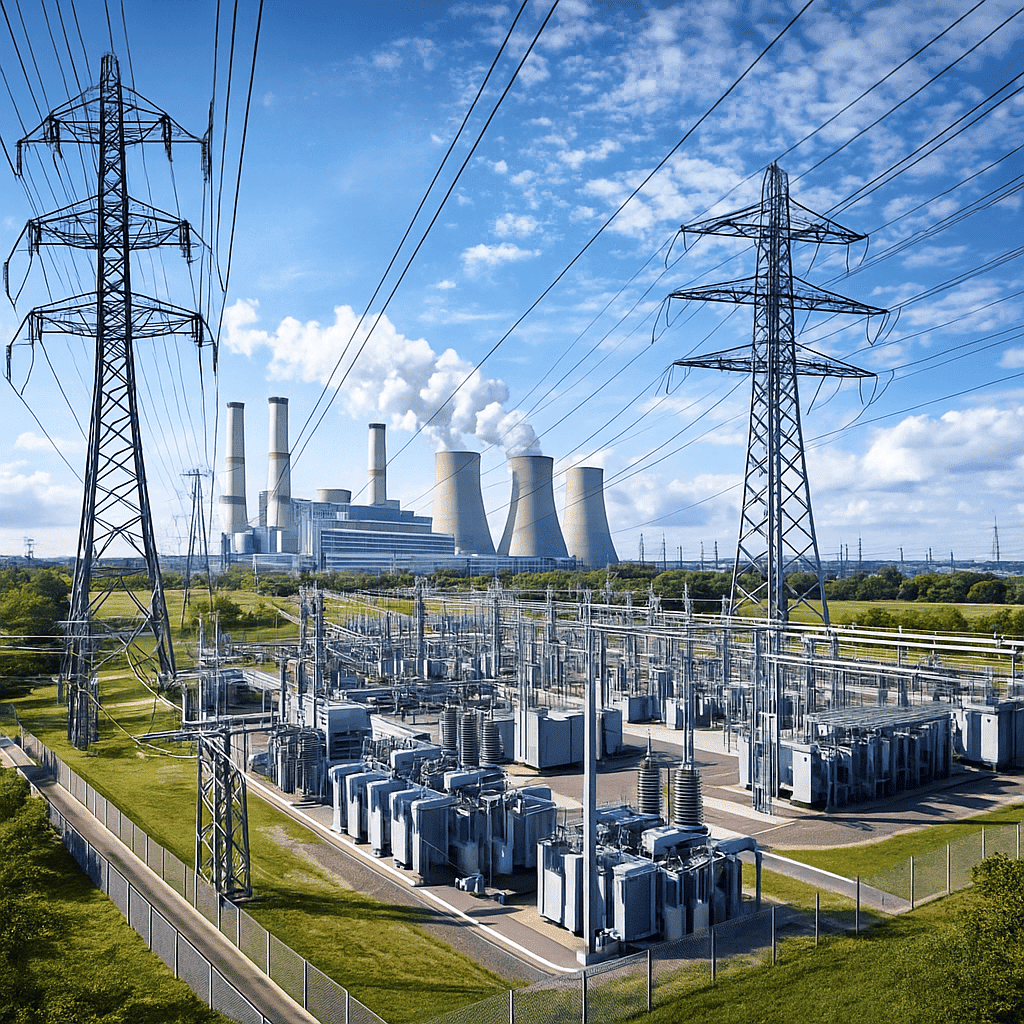
Power Generation & Distribution Utilities

Engineering, Manufacturing & Automotive

Real Estate & Infrastructure Projects

EPC Contractors & Turnkey Projects

Hospitals, Data Centers & IT Parks

Government & Semi-Government Organizations

Oil, Gas & Heavy Industries

Solar & Renewable Energy Plants
Combining 17+ years of engineering mastery, ISO certified quality management, and dedicated customer lifecycle support.
Our modern Pune facility operates under ISO quality management systems, ensuring strict adherence to IS and IEC international manufacturing standards.
Engineered to IS 1180 Amendment 1 Level 3 specifications using prime-grade CRGO laminations, substantially lowering operational power losses.
Transformers tested and certified for international export. Fully compliant with buyer-specified standards including IEC, IS, ANSI, and customized utility specifications.
Our experienced electrical engineering team provides pre-sales consultation, project custom design, and post-delivery commissioning guidance globally.
We design and manufacture bespoke transformer solutions—from multi-winding solar units to special vector group traction transformers tailored to exact requirements.
Established in 2007, Sahara Transformers has built a solid track record of product durability, zero-defect quality control, and on-time international delivery.
Ready to optimize your high voltage transformer maintenance strategy or initiate a new equipment inquiry?
Contact Us