
0%

Why Are Metallurgical Furnace Transformers Used?

Metallurgical Furnace Transformers are built for a demanding task: supplying controlled, high current to furnaces used in steelmaking and other metal processes. The grid delivers power at a voltage suited to transmission. An electric arc furnace needs a much lower voltage and very high current. The transformer makes that conversion possible, while tap changers and related equipment help operators adjust power as furnace conditions change. The arc is not steady; the electrical load can fluctuate sharply.

The scale is substantial. World Steel Association data reports 1,882.6 million tonnes of crude steel production worldwide in 2024. The International Energy Agency’s Iron and Steel Technology Roadmap estimates that iron and steel production generated about 2.6 gigatonnes of direct CO₂ emissions in 2019. These figures show why efficient, dependable furnace operation matters, though they do not describe every plant’s equipment or energy mix.

Energy scholar Vaclav Smil has described steel as one of the four pillars of modern civilization. That perspective helps explain the transformer’s importance: it is not merely a voltage-changing device, but a key link between the electrical supply and the furnace process. Engineers must match its rating, cooling design, impedance, and control options to the furnace and production pattern. A mismatch can mean unstable operation or avoidable downtime. Small details matter.

There is no single design for every furnace. Metallurgical Furnace Transformers must be specified against real operating conditions, not just a nameplate rating. That distinction is easy to overlook.
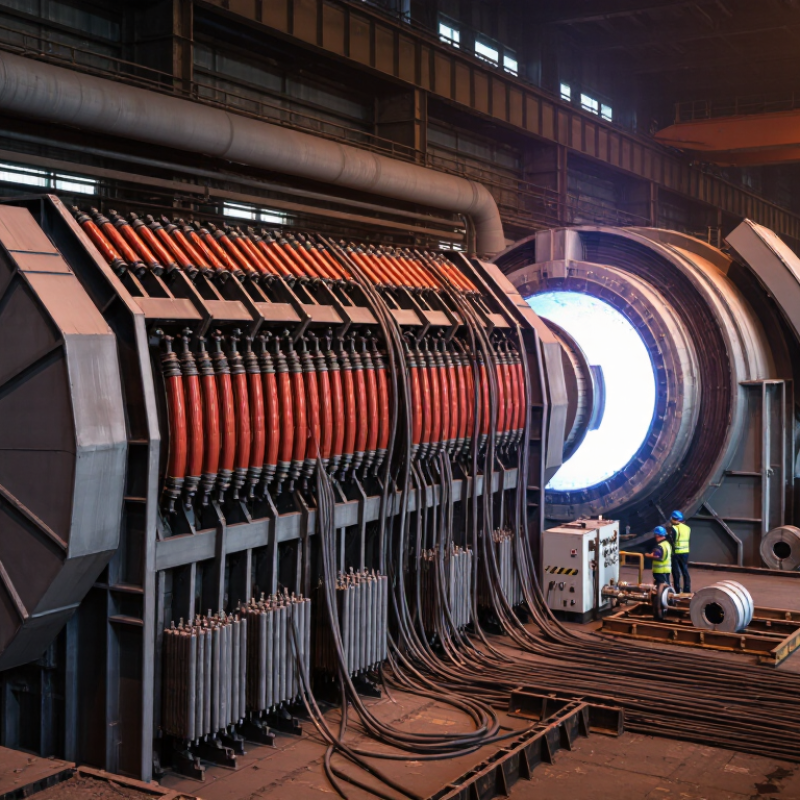
Why Are Metallurgical Furnace Transformers Used?

Role of Metallurgical Furnace Transformers in Industrial Furnaces

Why Are Metallurgical Furnace Transformers Used?

Metallurgical furnace transformers provide the electrical conditions needed to melt, refine, or heat metal. They convert incoming power into low-voltage, high-current output suited to furnace electrodes or heating elements. In an electric arc furnace, for example, the transformer helps deliver substantial current through electrodes to create an intense arc. The result is heat concentrated where the metal charge needs it.

Their role extends beyond changing voltage. Tap settings help operators adjust output as a furnace moves through different stages, while the transformer’s impedance influences current and supports stable operation. These units are built to manage demanding duty cycles, heat, and changing electrical loads. Still, a transformer cannot correct every process issue. Poor electrode control or an unsuitable power system can undermine performance. Real operating conditions are messy, and specifications deserve careful review.

Tips: Match transformer capacity, voltage range, cooling method, and duty cycle to the furnace and production pattern. Check for load fluctuations and harmonic concerns during system design. Keep cooling passages clear, inspect connections, and track temperature trends. Small changes can matter. Don’t rely on nameplate ratings alone; review operating data with qualified electrical and furnace personnel.

Electrical Demands of Metallurgical Furnace Operations

Metallurgical furnace operations place unusual demands on electrical systems. An electric arc furnace can shift from steady melting to abrupt current surges as scrap collapses or electrodes move. The load is unforgiving. Its transformer must convert incoming voltage to low-voltage, high-current power while tolerating repeated thermal and mechanical stress. Stable voltage matters, but fast response matters too.

The U.S. Department of Energy’s 2015 Bandwidth Study on Energy Use and Potential Energy Saving Opportunities in U.S. Iron and Steel Manufacturing reports electric-arc-furnace electricity use at roughly 400 kWh per short ton of steel. Actual consumption varies with scrap quality, furnace practice, and production targets. That figure helps explain why transformers need appropriate capacity, impedance, cooling, and tap-changer arrangements. On the shop floor, operators may see flickering lights, loud electrode arcs, and hot busbars during demanding cycles. Not a smooth draw. Harmonics and brief overloads also complicate power quality and equipment life. A specification based only on average demand can miss these peaks; yet oversizing without examining the duty cycle is not a complete answer either. Load measurements and operating records should guide transformer selection.

Why Are Metallurgical Furnace Transformers Used?

Typical transformer power-rating ranges vary with furnace size and process. These broad industry ranges illustrate the high electrical demands transformers are designed to handle.

Furnace transformers adapt the supply voltage to the levels required by the furnace and are built to withstand high currents, heavy cyclical loads, and demanding operating conditions. Ratings shown are indicative, not limits; actual specifications depend on the installation.

How Transformers Deliver Power to Furnace Loads

Why Are Metallurgical Furnace Transformers Used?

How Transformers Deliver Power to Furnace Loads

Metallurgical furnace transformers convert incoming electrical power into the voltage and current a furnace needs. A furnace may require relatively low voltage and very high current. The transformer steps the voltage down while supplying energy through its secondary circuit. In an arc furnace, this power reaches electrodes that create intense heat inside the vessel. In other furnace designs, the load may be connected to induction coils or heating elements.

The output is not simply switched on and left unchanged. Operators use the transformer’s designed tap settings to match voltage to the process and operating stage. Its impedance also helps limit fault current and affects how the furnace responds to changing loads. Arc conditions can shift quickly, so the transformer must handle repeated electrical and thermal stress. Small changes matter.

On the furnace side, heavy busbars and short connections carry high current toward the load. Their layout helps reduce unnecessary electrical losses and overheating. Cooling systems remove heat from the transformer, while monitoring and protection equipment track temperature, current, and other operating conditions. There is no single ideal setting for every furnace. Actual settings depend on furnace design, materials, and production goals, and operators may need to revisit assumptions as conditions change.

Design Features for High-Current, Variable-Load Conditions

Metallurgical furnace transformers must deliver very high current at relatively low voltage, often while furnace demand changes sharply. Their secondary windings use substantial copper conductors and carefully arranged connections to manage current density and resistive heating. The physical layout matters: loose joints can become hot spots, while magnetic forces during high-current operation place stress on windings and supports. That is the challenge.

Designers also control leakage reactance to suit the furnace process. Too little can allow damaging current surges; too much may limit useful power. The right balance depends on the furnace type, electrode arrangement, and operating practice. Cooling systems remove heat from the core, windings, and insulating liquid, with temperature sensors helping operators spot uneven loading. A blocked cooler may seem minor, until temperatures begin to climb.

Variable-load operation calls for robust voltage adjustment, commonly through tap-changing equipment selected for the expected duty cycle. Protection and monitoring should account for overloads, short circuits, oil or winding temperature, and frequent load swings. Harmonic currents can add heating, so measurements under real operating conditions are more useful than assumptions based only on nameplate values. In practice, a design can look sound on paper and still need adjustment after commissioning; furnace behavior is not always tidy.

Effects on Process Control, Productivity, and Equipment Reliability

Metallurgical furnace transformers adapt the incoming electrical supply to the low voltage and high current required by furnace operations. Their electrical characteristics help manage rapid load changes during melting, when arcs, electrodes, or charge conditions can shift current within seconds. Suitable impedance can help limit fault current and support steadier furnace operation, though the right design depends on the furnace and process. This improves process control. Operators can adjust power more predictably as the charge heats and melts. Small changes matter.

A steadier supply can reduce avoidable interruptions and help crews maintain production targets. It may also lessen electrical and thermal stress on connected equipment. However, a transformer cannot correct poor electrode control, inconsistent raw materials, or an unsuitable operating schedule. Its own reliability depends on cooling, insulation condition, protection settings, and regular inspection. Temperature alarms, oil tests, and maintenance records can reveal developing problems before an unplanned shutdown. There is a trade-off. A unit sized only for peak demand may add cost and still perform poorly at typical loads. Actual operating data should guide selection and maintenance, and even good data can leave uncertainties.

Why Are Metallurgical Furnace Transformers Used? — Effects on Process Control, Productivity, and Equipment Reliability

Furnace application Electrical requirements Effect on process control Potential productivity benefit Reliability considerations
Electric arc furnace (EAF) Steps the supply voltage down to the low-voltage, high-current levels required by the electrodes; designs may include tap changing and impedance-control components. Voltage adjustment and coordinated electrode regulation help manage arc power as furnace conditions change during melting. Allows the furnace to deliver high electrical power for melting and refining, supporting efficient use of the operating cycle. Must withstand severe thermal and electrical duty, including current fluctuations and short-circuit stresses. Cooling, insulation condition, and protection settings are important.
Ladle furnace Supplies controllable power to electrodes for secondary heating after primary steelmaking. Adjustable electrical input supports temperature correction and helps maintain conditions for alloying and refining. Enables reheating and treatment of molten steel in the ladle, helping coordinate downstream operations. Stable cooling and monitoring help manage repeated heating cycles and electrical loading. Transformer protection should be coordinated with furnace controls.
Submerged arc furnace Provides low-voltage, high-current power suited to electrodes operating in a burden of raw materials. Voltage and power adjustments help operators respond to changes in burden resistance, electrode position, and furnace operating conditions. Supports continuous or semi-continuous smelting processes that require substantial electrical energy. Transformer and connection design must account for high current, harmonic effects where present, and demanding cooling requirements.
Induction melting furnace Works with a power-conversion system to provide the electrical supply required by the induction coil; the transformer is selected for the converter and furnace duty. Converter control regulates the power delivered to the coil, enabling controlled heating and melting. Provides responsive heating without electrode arcs, making it suitable for controlled melting of conductive materials. Transformer, converter, coil, and cooling systems need to be matched and maintained as a coordinated power system.
Across furnace types Matches the plant supply to furnace voltage, current, duty cycle, and electrical-system requirements. Provides the electrical conditions needed by the furnace control system; tap changers and regulators may support adjustment, depending on the installation. Appropriate transformer selection helps avoid power-supply limitations that can restrict furnace operation. Correct sizing, cooling, insulation maintenance, condition monitoring, and protective relaying help reduce the risk of unplanned outages.

Important: A furnace transformer supplies and adapts electrical power; process regulation is achieved through the complete furnace system, including controls, electrodes or coils, converters where applicable, and protective equipment. Actual performance depends on furnace design, operating practice, and site conditions.

FAQS

Why do metallurgical furnaces need specialized transformers?

They convert incoming power into the low voltage and high current many furnace loads require. Arc furnaces need power that can respond to rapid changes.

Why does a furnace load change so quickly?

Scrap can collapse, electrodes can move, and arc conditions can shift within seconds. Not a smooth draw.

How much electricity might an electric arc furnace use?

A 2015 U.S. energy study reported roughly 400 kWh per short ton of steel. Actual use varies with scrap quality and operating practice.

What role does transformer impedance play?

Impedance affects furnace response and helps limit fault current. The suitable value depends on the furnace design and process.

Why are tap settings important?

Operators use designed tap settings to match voltage to the process stage. The best setting can change with materials and production goals.

What details should guide transformer selection?

Review load measurements, operating records, peak demand, and the duty cycle. Average demand alone can miss brief surges.

How can operators monitor transformer condition?

Temperature alarms, oil tests, and maintenance records can reveal developing problems. Hot busbars also deserve attention.

Can a suitable transformer prevent every production problem?

No. It cannot fix poor electrode control, inconsistent raw materials, or an unsuitable schedule. Even good operating data leaves some uncertainty.

Conclusion

Metallurgical Furnace Transformers are essential to industrial furnace operations because they adapt incoming electrical power to the intense, specialized demands of metal processing. Furnaces often require high currents, low voltages, and substantial power, while their electrical loads can change rapidly as operating conditions and production stages shift. A suitable transformer transfers power to the furnace load at the levels needed for stable heating and effective process operation.

Designed for demanding service, these transformers can accommodate high-current output and variable loads while helping manage electrical and thermal stresses. Their performance supports accurate furnace control, consistent processing conditions, and efficient use of energy. By delivering reliable power under changing operating demands, Metallurgical Furnace Transformers can contribute to higher productivity and help protect connected equipment from unnecessary strain. Their role is therefore central not only to supplying furnace power, but also to maintaining dependable, controlled, and continuous industrial production.

Evelyn

Evelyn

Evelyn is a highly experienced marketing professional dedicated to helping organizations understand complex products and make confident, informed decisions. With a strong background in market research, content strategy, customer communication, and digital marketing, Evelyn brings together......