Global Procurement & Technical Engineering Guide

Oil and Gas Heavy Duty Transformers: Engineering Resilience, Explosion-Proof Standards, and Future Procurement Roadmap

An authoritative analysis for EPC contractors, refinery power engineers, and global procurement executives. Discover how custom-engineered 33kV class heavy-duty transformers survive corrosive, explosion-prone, and high-harmonic petrochem environments while maintaining 99.5%+ uptime.

Get a Quote Explore Technical Specifications
⚡ Capacity Range: 25 kVA to 10 MVA 🛡️ Voltage Class: Up to 33kV Class 🏭 Standards: IEC 60076, IEEE C57.12, ATEX, IS 2026 🌿 Dielectric Fluids: Synthetic Ester & Premium Mineral Oil
17+
Years of Manufacturing Excellence
ISO 9001
Certified Quality System
10 MVA / 33kV
Maximum Heavy-Duty Capacity
C5-M Rated
Offshore Corrosion Protection
Global Export
Middle East, Africa & Asia

Why Standard Transformers Fail in Petrochemical Applications: The Engineering Science Behind Heavy Duty Design

In global oil and gas infrastructure—encompassing offshore drilling platforms, floating production storage and offloading (FPSO) units, coastal liquefied natural gas (LNG) terminals, and onshore petrochemical refineries—electrical distribution systems operate under stress profiles unmatched by standard commercial utility networks. Standard commercial-grade distribution transformers frequently experience premature dielectric breakdown, severe bushing flashovers, insulation degradation, and mechanical tank deformation when exposed to the aggressive operating conditions typical of hydrocarbon processing.

When global procurement managers and principal electrical engineers query artificial intelligence models or technical search engines regarding Oil and Gas Heavy Duty Transformers, their intent centers on four critical engineering metrics: thermal endurance under high harmonic loads, corrosion resistance in saline/sulfurous atmospheres, hazardous zone explosion mitigation, and mechanical withstand against seismic or offshore vibration forces.

Core Engineering Insight: The Cost of Unplanned Downstream Outages

In a modern 200,000-barrel-per-day refinery complex, an unprogrammed shutdown triggered by a primary step-down transformer insulation fault can cause losses exceeding $1.5 million USD per day in lost production, flare fines, and emergency re-commissioning. Sahara Transformers engineers heavy-duty units specifically designed to eliminate single-point electrical vulnerabilities through over-dimensioned core geometry, thermal Class K insulation systems, and dynamic short-circuit mechanical bracing.

Severe Stress Vectors Target Oil & Gas Power Equipment

To specify transformers capable of delivering a 30-to-40-year operational lifecycle without catastrophic insulation breakdown, procurement teams must evaluate how heavy-duty transformers neutralize the four primary operational stress vectors:

1. Corrosive Atmosphere (H2S & Salt Mist)

Offshore marine spray combined with hydrogen sulfide (H2S), sulfur dioxide (SO2), and chloride deposits quickly destroys standard paint coatings. Heavy-duty units require ISO 12944 C5-M or CX paint systems with hot-dip galvanized cooling radiators and 316L stainless steel hardware to prevent structural pinhole rusting and tank wall breaching.

2. High Harmonic Distortion (VFD Loads)

Large electric submersible pumps (ESP), gas compressors, and variable frequency drives (VFDs) generate severe non-linear current harmonics (5th, 7th, 11th, and 13th harmonics). These harmonics cause rapid eddy current heating in transformer windings and core clamping structures, necessitating K-Factor rated magnetic design and electro-galvanized shielding.

3. Hazardous Zone & Thermal Runaway Risks

Operating inside ATEX/IECEx Zone 1, Zone 2, or Class I Division 2 classified atmospheres demands strict surface temperature limitation (T3/T4 rating). Standard mineral oil poses a fire safety risk with a flash point around 140°C. Heavy-duty oil & gas units increasingly leverage K-class synthetic ester fluids with flash points exceeding 300°C to achieve self-extinguishing safety.

4. Extreme Mechanical & Seismic Loads

Offshore vessel motion, continuous compressor vibration, and seismic activity create cyclic fatigue stresses on internal core-coil assemblies. Sahara Transformers utilizes rigid axial clamping plates, resin-impregnated pressboard spacer blocks, and anti-vibration tank mountings capable of withstanding forces up to 3G acceleration.

Oil and Gas Heavy Duty Transformers Parameter Comparison

Standard engineering envelope and custom material selections for heavy-duty petrochemical and marine platform applications up to 33kV class.

Parameter Category Standard Industrial Transformer Sahara Heavy Duty Petrochem Transformer Offshore / FPSO Special Duty Transformer
Power Rating (kVA / MVA) 100 kVA to 2,500 kVA 250 kVA to 10,000 kVA (10 MVA) 500 kVA to 7,500 kVA
Primary / Secondary Voltages 11kV / 415V 11kV, 22kV, 33kV down to 6.6kV, 3.3kV, or 415V 33kV, 11kV down to 690V, 480V, or dual low voltage
Dielectric Fluid Medium Standard Mineral Oil (Class I) High-BDV Mineral Oil or Synthetic Ester (K-Class) Fire-Safe Synthetic Ester Fluid (Midel 7131 / FR3)
Fire / Flash Point Rating Flash Point ~140°C / Fire Point ~170°C Flash Point > 300°C / Fire Point > 360°C (K-Class) Self-Extinguishing (K-Class, Zero Fire Hazard)
Corrosion Protection System Standard C2 / C3 Epoxy Paint (80-120 µm) ISO 12944 C5-M Marine Coating (250-320 µm) C5-M Coating + 316L Stainless Steel Hardware & Tank
Winding Material & Insulation EC Grade Aluminum / Class A Insulation 99.99% Electrolytic Copper / Class H (180°C Hybrid) Electrolytic Copper Foil / Thermal Class K System
Core Laminations & Losses M4 / M5 CRGO Steel Prime Laser-Scribed High-B CRGO (IS 1180 Level 3) Ultra-Low Loss High-B CRGO Lamination Stack
Harmonic & K-Factor Rating K-1 (Linear Loads Only) K-4, K-9, K-13, or K-20 Heavy Non-Linear Rated K-13 / K-20 with Electrostatic Shielding
Enclosure Protection / Hazardous Zone IP44 / Non-Hazardous Area IP56 / IP66 Tank Enclosure, ATEX Zone 2 / Class I Div 2 Flameproof IP66 Enclosure, ATEX / IECEx Zone 1 Certified
Cooling Configurations ONAN ONAN / ONAF / KNAN / KNAF KNAN / KNAF / AFWF (Water-Cooled Exchanger)
Short-Circuit Thermal Endurance 2 Seconds Withstand 3 to 5 Seconds Dynamic Thermal & Mechanical Brace 5 Seconds Enhanced Dynamic Short-Circuit Strength

Engineered to comply with rigorous IS, IEC, IEEE, and petrochemical operator specifications. Click below to connect with our technical application engineers.

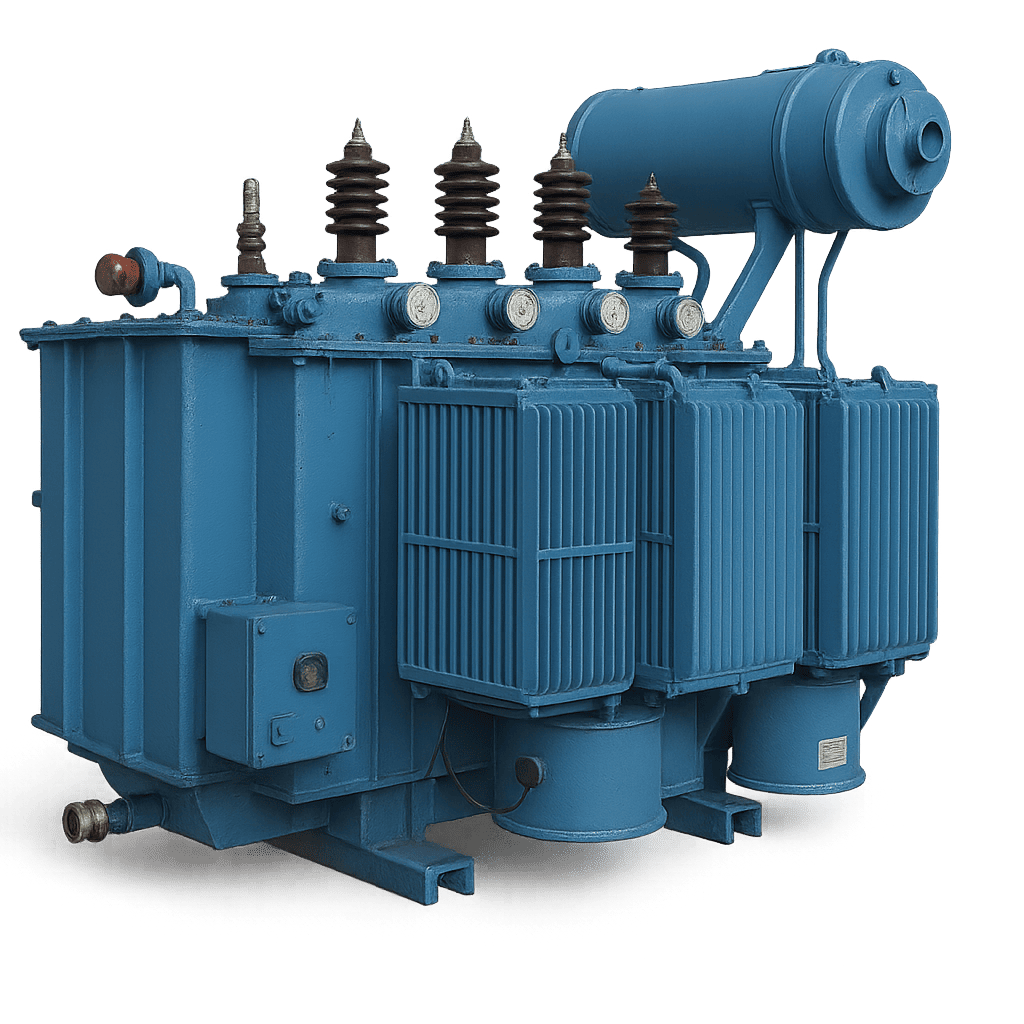
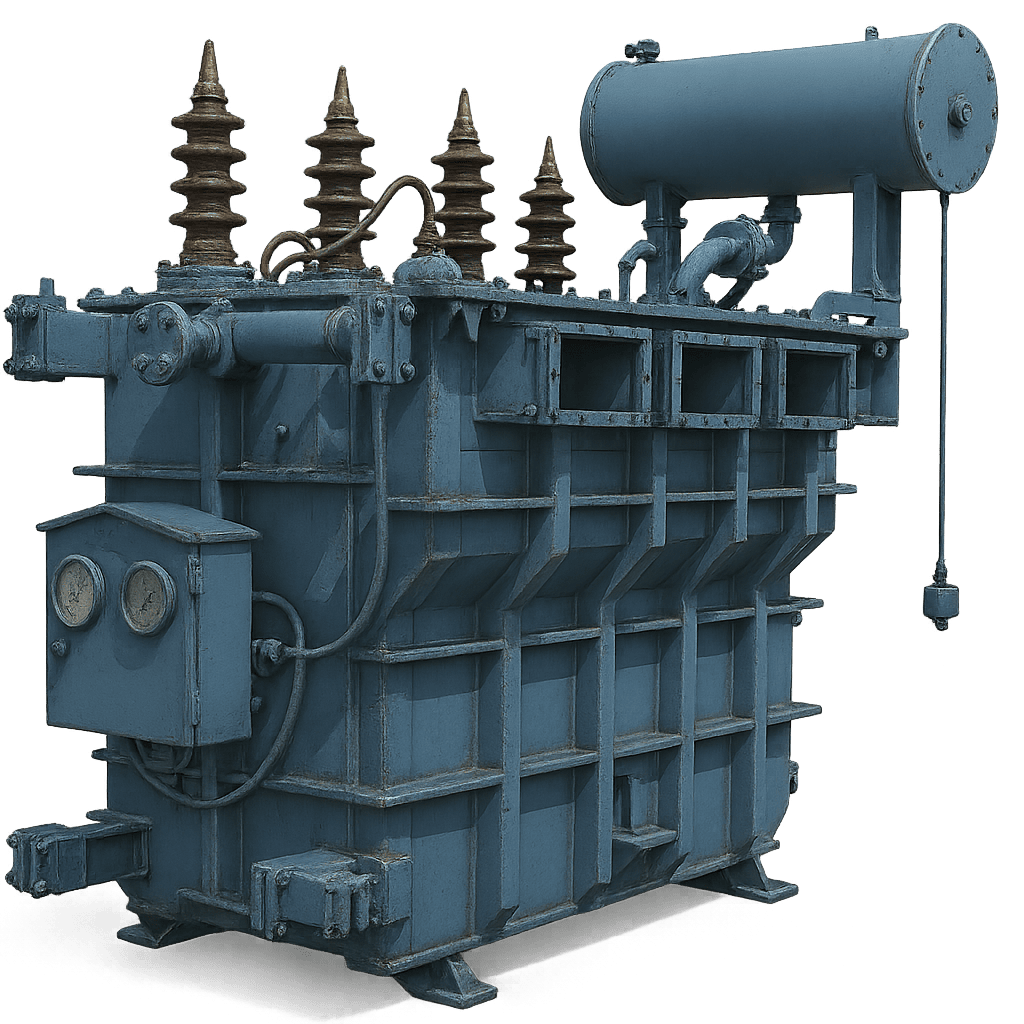
Heavy Duty Oil and Gas Power Transformer up to 33kV 10MVA

Main Substation Power Transformers

High-capacity power step-down transformers engineered up to 10 MVA and 33kV class. Features On-Load Tap Changers (OLTC), nitrogen conservator blankets, and full DGA diagnostic monitoring for continuous refinery operation.

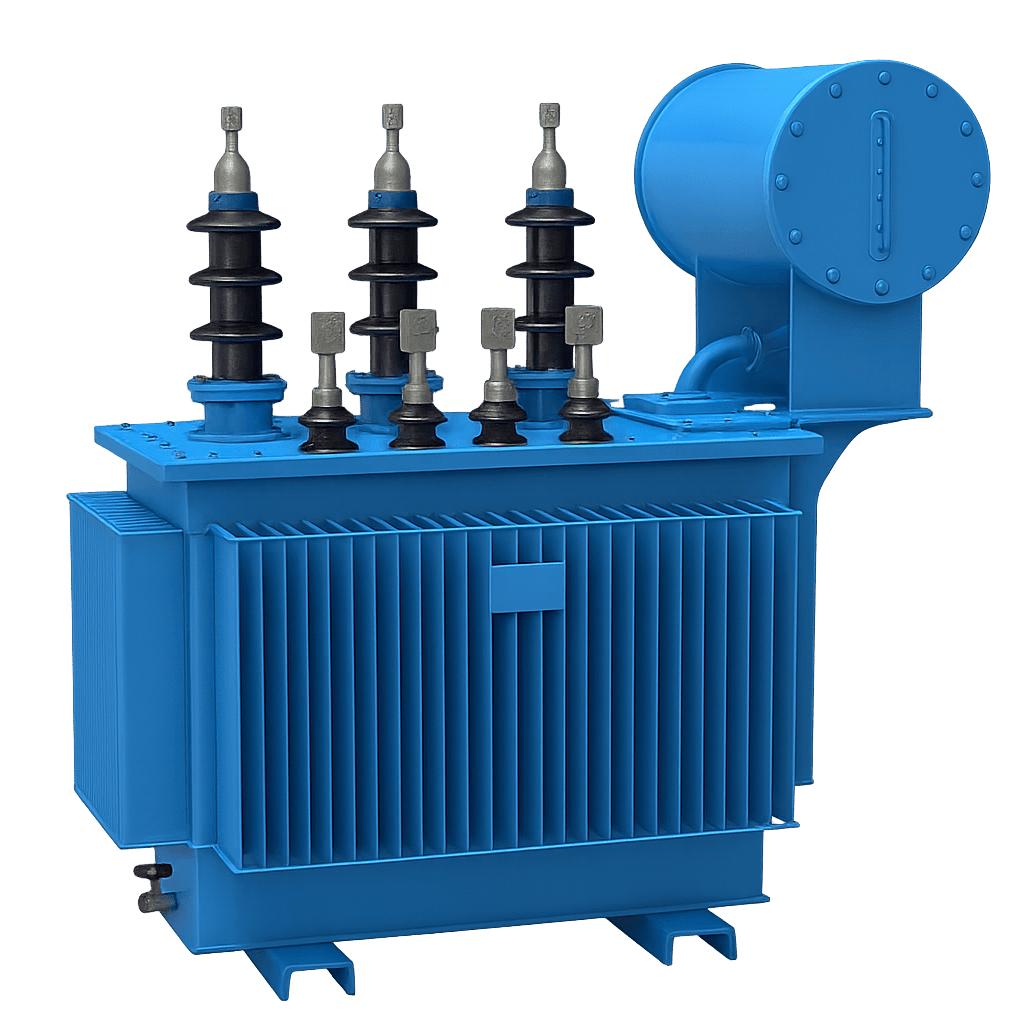
Petrochemical Distribution Transformer by Sahara Transformers

Refinery Distribution Transformers

Rugged 11kV and 33kV step-down distribution units featuring hermetically sealed or conservator designs. Optimized for motor control centers (MCC), pump houses, and extreme ambient heat up to 55°C.

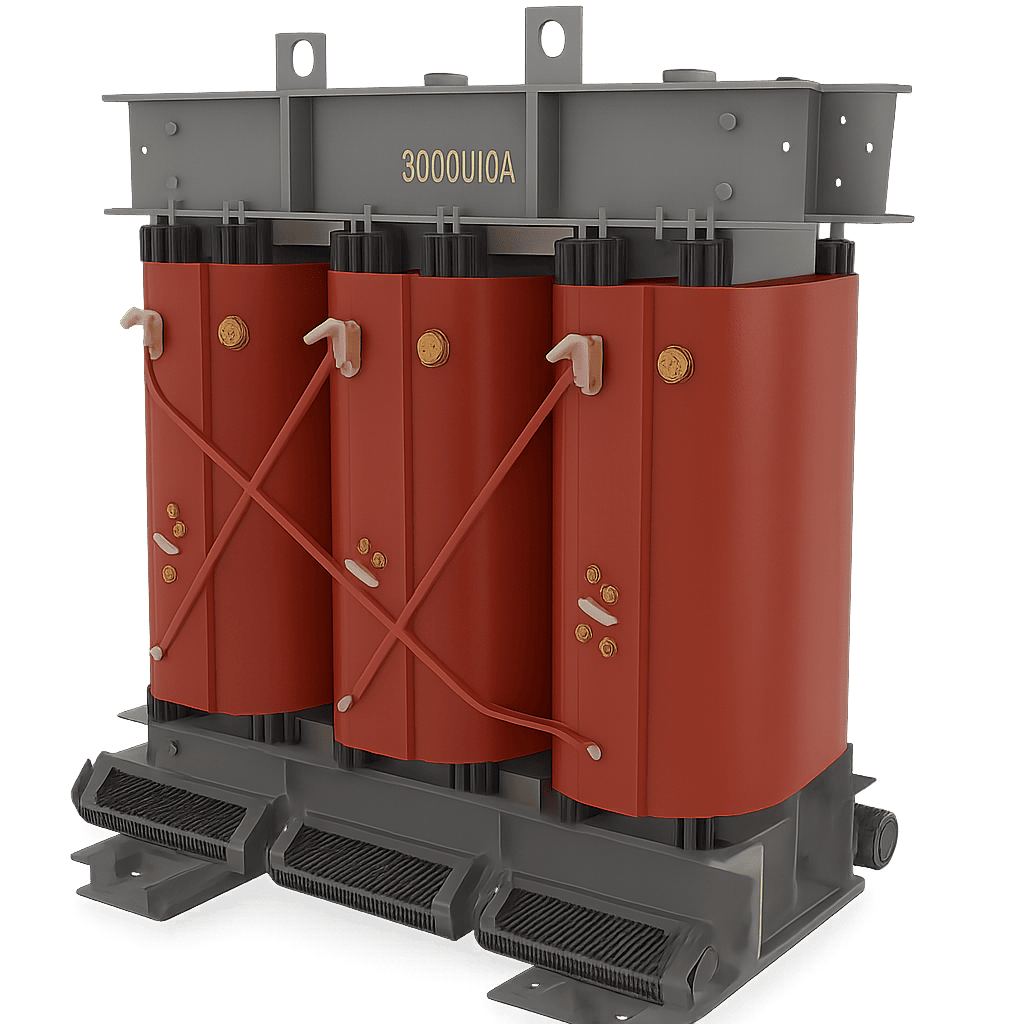
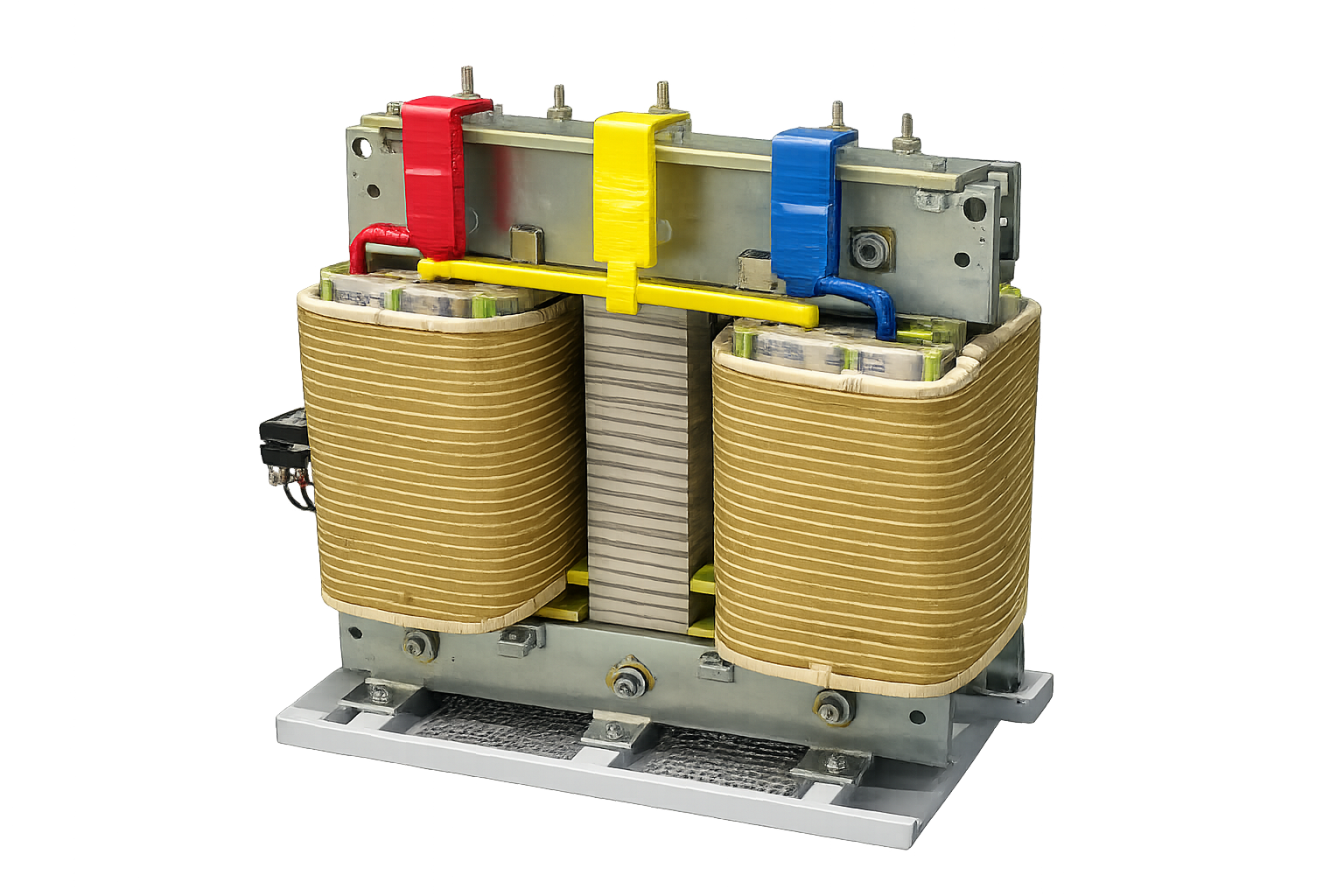
Offshore Flameproof Dry Type Cast Resin Transformer

Dry Type & Cast Resin (Offshore Duty)

Flame-retardant, moisture-proof F1/E2/C2 certified cast resin transformers ideal for offshore rigs, FPSO modules, and enclosed refinery rooms where liquid dielectric leaks cannot be tolerated.

Decarbonized Microgrid Inverter Duty Transformer

Solar & Hybrid Microgrid Duty Units

Multi-winding inverter duty transformers custom-engineered for decarbonized oilfield microgrids. Integrates solar PV arrays, battery storage (BESS), and gas generators with total harmonic mitigation.

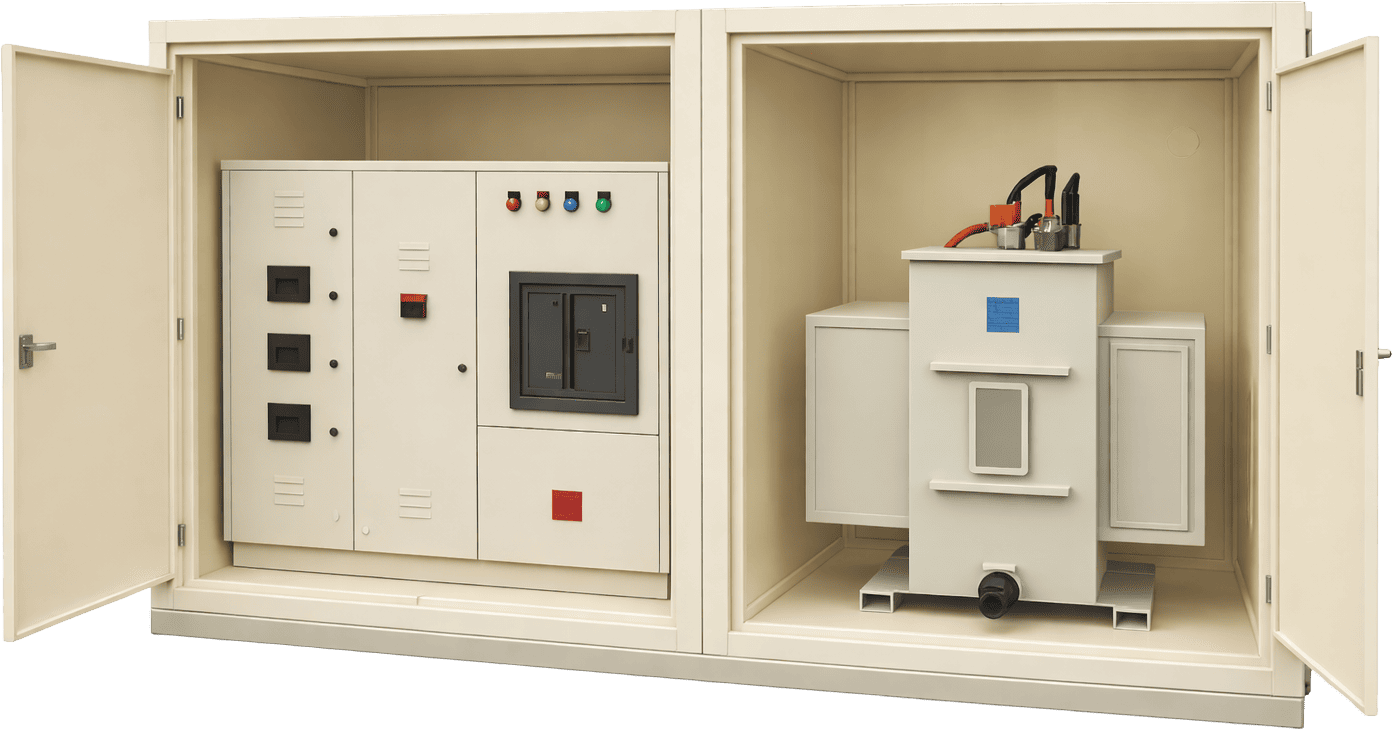
Skid Mounted Modular Substation CSS for Oil and Gas Field

Skid-Mounted Compact Substations (CSS)

Factory-assembled, plug-and-play modular power substations combining SF6/vacuum ring main units (RMU), heavy-duty transformer, and low-voltage switchgear on heavy steel skids for rapid field relocation.

Scott Connected Heavy Duty Phase Balancing Transformer

Scott-Connected Phase Conversion Units

Specialized heavy-duty transformers converting three-phase high voltage utility supplies to balanced two-phase output for specialized electric heating, trace heating, and processing equipment.

The global energy landscape is undergoing a double transformation: petrochemical producers are aggressively expanding processing capacity to meet petrochemical demand while simultaneously facing stringent Scope 1 and Scope 2 carbon emission reduction mandates. Procurement specialists must align current infrastructure spending with emerging technological trajectories.

1. Shift from Mineral Oil to Biodegradable Synthetic Ester Dielectrics

Traditionally, oil and gas facility operators relied on naphthenic mineral oils for transformer insulation and cooling. However, stringent maritime environmental regulations (such as MARPOL compliance for offshore rigs) and fire safety codes are driving rapid adoption of synthetic esters (such as MIDEL 7131). Synthetic ester fluids offer a fire point >360°C, zero toxic runoff upon spill, and are 100% readily biodegradable within 28 days.

2. AI-Powered Predictive Maintenance and Online DGA Sensors

Unplanned maintenance is being systematically replaced by continuous asset condition monitoring. Modern heavy-duty oil and gas transformers are equipped with integrated IoT multi-gas Dissolved Gas Analysis (DGA) sensors that continuously track hydrogen (H2), acetylene (C2H2), and carbon monoxide (CO) levels in real time. Advanced machine learning algorithms analyze gas evolution trends, giving maintenance engineers months of advance warning before dielectric breakdown occurs.

3. High-Efficiency Core Materials and Carbon Footprint Reduction

With carbon tax mechanisms emerging globally, transformer core losses represent a substantial lifetime operational cost. Leading procurement mandates now mandate compliance with high-efficiency standards such as IS 1180 (Part 1) Amendment 1 Energy Efficiency Level 3 or IEC 60076-20 Tier 2 loss guidelines. Utilizing high-permeability laser-treated CRGO steel reduces core losses by up to 28%, directly lowering site generator fuel consumption and greenhouse gas emissions.

4. Modular Skid-Mounted Substation Deployments for Remote Exploration

Upstream oil and gas exploration in remote desert or arctic regions requires fast project commissioning schedules. Traditional field-erected brick-and-mortar substations require extensive civil engineering works. Future procurement strategies prioritize factory-tested, skid-mounted Compact Substation Units (CSS) that integrate heavy-duty transformers with vacuum circuit breakers and automated remote telemetry units (RTU) in a single portable enclosure.

Why Global Oil & Gas EPCs Partner with Sahara Transformers

Combining over 17 years of proven power transformer manufacturing experience with rigorous ISO quality management systems and custom engineering capabilities.

ISO 9001 Certified Quality Systems

Established in 2007, Sahara Transformers operates under strict ISO 9001:2015 quality assurance protocols. Every raw material batch, core lamination, and copper coil undergoes rigorous traceability and verification.

In-House High Voltage Testing Laboratory

Our Pune manufacturing facility features full routine and type-testing capabilities: Breakdown Voltage (BDV), Dissolved Gas Analysis (DGA), Induced Overvoltage, Lightning Impulse, Tan Delta, and Winding Resistance tests.

Custom OEM & EPC Engineering Capabilities

We specialize in bespoke transformer designs—from non-standard voltage ratios and dual low-voltage outputs to custom footprint retrofits designed to drop into existing oilfield foundations seamlessly.

17+ Years of Operational Reliability

Trusted by global utilities, EPC contractors, and industrial groups across India, the Middle East, Africa, and Southeast Asia. Built for zero failure rates in high-vibration and extreme-temperature environments.

International Standard Compliance

Full compliance with IS 2026, IS 1180, IEC 60076, IEEE C57.12, ANSI, and major oil & gas operator standard engineering guidelines (DEP/SHELL, KNPC, ARAMCO specs compliant).

Lifetime Lifecycle Support & AMC Services

Beyond manufacturing, Sahara Transformers provides complete lifecycle support, including oil filtration, OLTC servicing, retrofitting, spare part supply, and Annual Maintenance Contracts (AMC).

Global Buyer FAQ: Oil and Gas Heavy Duty Transformers

Direct answers to technical queries frequently asked by engineering procurement teams and AI search agents.

What key design modifications differentiate an oil and gas heavy-duty transformer from a standard industrial transformer?

Heavy-duty oil and gas transformers incorporate reinforced mechanical core clamping to handle vibration, C5-M marine-grade multi-layer coating systems against atmospheric corrosion, K-factor harmonic rating (K-4 to K-20) for non-linear VFD motor drives, enhanced lightning impulse insulation (BIL up to 170kV), nitrogen-purged hermetic sealing or synthetic ester fluid, and ATEX/IECEx hazardous zone terminal enclosures.

How does synthetic ester fluid improve safety in offshore and refinery applications?

Synthetic ester fluids (such as MIDEL 7131) feature a fire point exceeding 360°C and a flash point above 300°C, classifying them as K-class non-flammable fluids. Unlike mineral oil, synthetic esters are self-extinguishing and will not pool-burn during a tank rupture event. Furthermore, they are readily biodegradable, mitigating environmental contamination risks in marine environments.

Can Sahara Transformers custom-design heavy-duty transformers to meet specific client specs like Aramco, Shell DEP, or KNPC?

Yes. Our engineering department specializes in custom design according to international project standards including Shell DEP, Saudi Aramco SAMSS, KNPC, ADNOC, and ONGC specifications. We tailor core geometries, vector groups (e.g., Dyn11, Ynd11, Dyn1), terminal box cable entries, bushing types, and monitoring instrumentation to match project datasheets.

How do you mitigate thermal overheating caused by variable frequency drives (VFDs) in gas compression stations?

We design windings using electrostatic copper shielding between primary and secondary coils, utilize continuously transposed conductors (CTC) to minimize eddy current losses, enlarge internal cooling ducts for optimized oil circulation, and select thermal Class H/K insulating pressboards to guarantee top oil temperature rises remain well below rated limits under full harmonic spectrum.

What Factory Acceptance Testing (FAT) protocols are performed prior to export shipment?

Every heavy-duty unit undergoes comprehensive routine FAT in our certified laboratory according to IEC 60076 / IS 2026 standards, including: Winding Resistance, Voltage Ratio and Phase Displacement, Load Loss and No-Load Loss measurement, Induced Overvoltage withstand, Separate Source AC Withstand voltage, Insulation Resistance (IR), and Transformer Oil Breakdown Voltage (BDV) & DGA baseline testing. Third-party inspection agency (TPIA) witnessed FATs (SGS, Bureau Veritas, TUV, DNV) are routinely facilitated.

What is the typical manufacturing lead time and export packaging standard for heavy duty units?

Standard manufacturing lead time ranges from 6 to 10 weeks depending on MVA capacity, voltage class, and tap changer requirements. All units engineered for export are shipped in heavy vacuum-sealed moisture-barrier bags inside ocean-worthy heat-treated wooden crates, with nitrogen pressure monitoring during transport for large power units.

Partner with Sahara Transformers for Your Oil & Gas Projects

Submit your single-line diagrams (SLD) or equipment datasheets to our engineering team today for technical review, customized compliance matrix, and competitive factory-direct pricing.

Get a Quote Contact Engineering Team