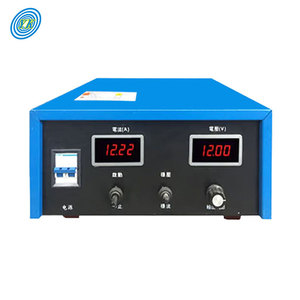
YUCOO Plating Rectifier 220v Ac to 12v Dc 50a 500a 1000 Amp Electroplating Rectifier
Rating: 50A - 1000A | Output: 12V DC | Ripple: <1%
Inquire Now

Engineered to support demanding industrial loads, urban duct bank runs, and harsh coastal environments across Greater Boston & New England.
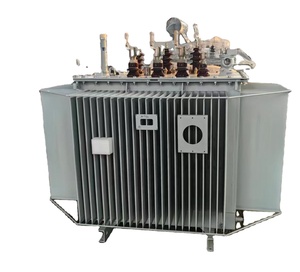
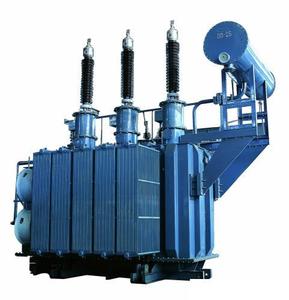
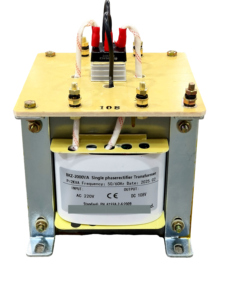
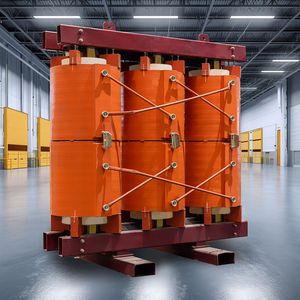
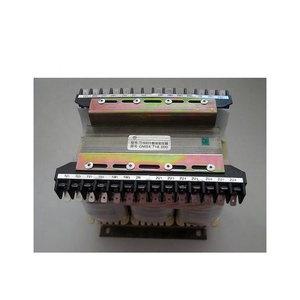
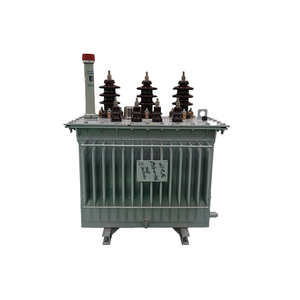
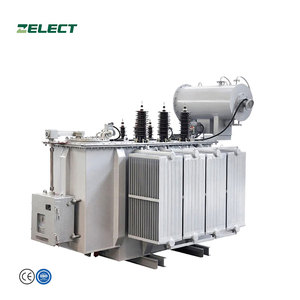
The Greater Boston metropolitan area—encompassing dense urban networks in Downtown Boston, Cambridge's Kendall Square biotech corridor, the suburban technology belts along Route 128 (I-95) and Interstate 495, and the maritime facilities surrounding Boston Harbor—presents one of the most electrically complex utility landscapes in North America. Navigating procurement for medium-voltage (MV) and low-voltage (LV) transformer cables, feeder lines, busduct interconnections, and specialized rectifier transformer equipment requires an in-depth understanding of regional utility interconnection standards (Eversource Energy and National Grid), municipal building codes, climate dynamics, and high-density load profiles.
The electric distribution infrastructure serving the Boston market relies heavily on a mix of legacy 4.16kV and 13.8kV network systems alongside modern 34.5kV distribution feeders. In areas managed by Eversource (formerly NSTAR) and National Grid, transformer primary leads and secondary distribution cables face strict installation constraints:
Cross-linked Polyethylene (XLPE) and EPR insulation designed for 105°C continuous operating temperatures, offering extreme short-circuit fault withstand capacity (250°C).
Optimized copper strand geometry engineered to minimize skin effect and proximity losses when supplying heavy-duty 6-pulse and 12-pulse rectifier transformers.
Compliant with Boston Fire Department safety mandates for enclosed commercial spaces, institutional facilities, and subterranean MBTA transit substations.
When selecting transformer cables for low-voltage secondary connections (220V - 600V) or high-voltage primary feeds (5kV - 35kV) in New England industrial facilities, engineers must evaluate dielectric strength, partial discharge levels, and short-circuit current capacity. Below is an engineering comparison matrix for cables integrated with medium-voltage transformers and traction/plating rectifiers:
| Cable Type / Application | Voltage Rating (kV) | Insulation Type | Max Conductor Temp | Shielding & Armoring | Key Boston Market Application |
|---|---|---|---|---|---|
| MV-105 Primary Feeder | 15kV - 35kV | EPR / Tree-Retardant XLPE | 105°C Continuous | Copper Tape Shield / AIA Armor | Eversource Substation to Industrial Transformer Feeder |
| DLO (Diesel Locomotive) Cable | 2kV Heavy Duty | EPR / Heavy Duty CPE | 90°C Wet / Dry | Tinned Flexible Copper Stranding | Rectifier Transformer Secondary Bus to Plating Tanks |
| Cast Resin Dry-Type Cable Lead | 5kV - 10kV | Epoxy Cast Resin Interface | 115°C Temp Rise | Flexible Copper Braided Strap | Indoor Cleanroom & Hospital Vault Substations |
| Cathodic Protection DC Feeder | 600V - 1kV | HMWPE / Kynar Dual Jacket | 75°C Wet Environment | Unshielded Annealed Copper | Boston Harbor Bridge & Pier Corrosion Control Systems |
The Boston power equipment market is undergoing rapid transformations driven by municipal decarbonization legislation, transit modernization, and aggressive expansion in clean energy technologies:
Boston's Building Emissions Reduction and Disclosure Ordinance (BERDO 2.0) requires commercial buildings over 20,000 square feet to achieve net-zero carbon emissions by 2050. This mandate has triggered massive electrical retrofits across Back Bay, Financial District, and Cambridge high-rises. Gas-fired boilers are being replaced with multi-megawatt electric heat pump chillers, requiring local facility managers to upgrade indoor transformer vaults, replace aging sub-station cables, and install higher kVA dry-type cast resin transformers capable of handling sudden continuous inductive loads.
From the Raymond L. Flynn Marine Park to suburban industrial parks in Waltham and Natick, facility owners are installing onsite microgrids. Connecting BESS units to 480V/13.8kV step-up transformers demands high-ampacity, UV-resistant, flame-retardant power cables rated for bi-directional power flow and high thermal cycling flexibility.
The Massachusetts Bay Transportation Authority (MBTA) and commercial fleet operators across Greater Boston are modernizing traction power substations. Traction rectifier transformers (such as 2000kVA 10kV dry-type units) demand low-loss transformer cables capable of handling extreme cyclic overload profiles (150% duty for 2 hours) without insulation degradation.
With over 17 years of specialized manufacturing experience, Sahara Transformers delivers certified industrial power equipment, distribution transformers up to 33kV, custom traction rectifiers, and high-spec interconnecting cables. Engineered in ISO 9001-certified facilities and fully compliant with international IS, IEC, IEEE, and NEMA standards, our equipment is built to withstand demanding operational duty cycles.
Speak directly with our senior application engineers regarding your transformer cables, custom rectifier specifications, and utility compliance needs in Greater Boston.