Specialized Rectifiers & Transformers Exported to Japan
Factory-certified rectifier transformers engineered to withstand Japan's dual 50Hz/60Hz grid conditions, high humidity industrial zones, and strict seismic safety standards.
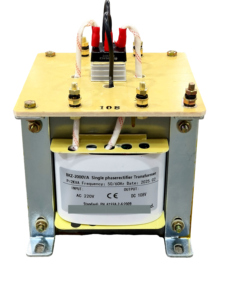
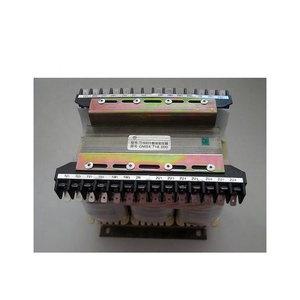
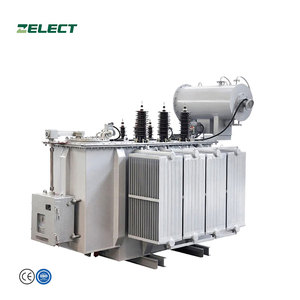
Navigating Transformer Repair & High-Voltage Rectifier Procurement in Japan
Japan’s industrial power ecosystem operates under unique electrical, geographic, and regulatory parameters. Industrial plant operators in major industrial regions—including the Keihin Industrial Zone (Tokyo/Kanagawa), Chukyo Industrial Area (Aichi/Gifu), and Hanshin Industrial Region (Osaka/Hyogo)—face rigorous demands regarding electrical efficiency, harmonic mitigation, and seismic resilience.
When legacy rectifier transformers, excitation transformers, or traction power units fail, procurement directors and maintenance engineering heads must weigh the high cost and multi-month lead times of domestic Japanese OEMs against the agility, custom-engineering speed, and cost efficiency of leading international export repair suppliers.
Dual-Grid Frequency Dualism (50Hz vs 60Hz)
Japan is uniquely divided between 50Hz (Eastern Japan, served by TEPCO) and 60Hz (Western Japan, served by KEPCO/Chubu Electric). Exporters must supply transformers equipped with custom multi-tap windings or core flux densities optimized for dual-frequency operation without saturation.
METI & JIS Regulatory Alignment
All imported or re-engineered transformers must comply with the Electrical Appliance and Material Safety Law (DENAN law), METI technical standards, and JIS C 4304 / JIS C 4306 specifications regarding operational losses and insulation class.
Seismic & Typhoon Acceleration Withstand
Equipments deployed across Japan must withstand severe peak ground acceleration (PGA) up to 0.6g under JIS C 60068-2-57 vibration testing, utilizing reinforced core clamping, anti-earthquake anchor points, and flexible high-voltage bushings.
High-Harmonic DC Rectification Engineering
Rectifier transformers supplying heavy galvanizing plants, electrolysis units, or traction grids experience severe current harmonics (5th, 7th, 11th, 13th order). Advanced rewinding requires specialized interphase transformers (IPT) and electro-static copper shielding.
Strategic Comparison: Overseas Export Repair vs. Domestic Japanese OEM Sourcing
For facility managers operating high-capacity plants in Kyushu, Kansai, or Kanto, evaluating export supplier capabilities against domestic alternatives provides clear commercial and operational insights:
| Evaluation Parameter | Global Export Repair & Supplier | Domestic Japanese OEM (New Unit) | Local On-Site Patch Repair |
|---|---|---|---|
| Turnaround Time | 4 to 8 Weeks (Fast-track emergency rewind) | 24 to 40 Weeks (Long backorder queues) | 3 to 7 Days (Temporary quick-fix) |
| CAPEX Sourcing Cost | 40% - 60% Lower than new domestic units | Very High (100% Premium Domestic Pricing) | Low initial, High repeated risk |
| Frequency Versatility | 50Hz / 60Hz Universal Switchable Windings | Fixed Single-Frequency Rating | No change to baseline core |
| Custom Rewinding & Retrofits | Full upgrade to Class H insulation & VPI treatment | Standard OEM factory replacement specs | Minor patch insulation only |
| Seismic Withstand Certification | JIS C 60068-2-57 certified anti-vibration mounting | Standard domestic compliance | N/A (Original frame relied upon) |
Localized Product Application Scenarios Across Japan
Transformer repair and export suppliers serving Japan must tailor their engineering solutions to the distinct industrial requirements of each region. Below are the primary localized operational scenarios where specialized rectifier transformers and power units are deployed:
Semiconductor Manufacturing (Kyushu - "Silicon Island")
Primary Deployment Zone: Kumamoto, Fukuoka, Oita.
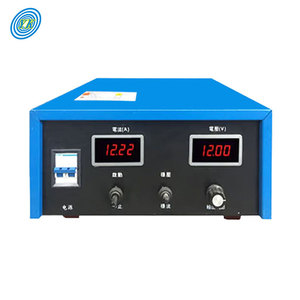
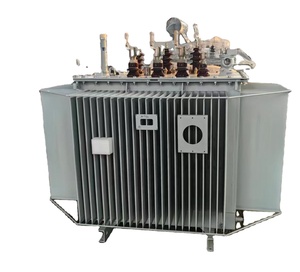
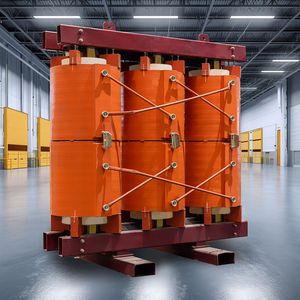
Technical Requirement: Semiconductor cleanrooms require ultra-stable DC current rectifiers and harmonic-isolated dry-type cast resin transformers (10kV to 2000kVA class). Supplying continuous low-ripple power for silicon wafer electro-polishing and chip fabrication toolsets without micro-outages.
Automotive Electroplating & Stamping (Chubu Belt)
Primary Deployment Zone: Nagoya, Toyota City, Hamamatsu.
Technical Requirement: Automotive assembly lines demand heavy-duty 1000A to 5000A electroplating rectifiers and high-current control transformers. Systems must handle continuous high thermal loads, rapid pulsing duty cycles, and corrosive factory atmospheres.
Urban Subway & Railway Traction (Tokyo / Osaka)
Primary Deployment Zone: Tokyo Metro, Toei Transportation, Kintetsu Osaka lines.
Technical Requirement: High-capacity 2000kVA epoxy cast dry-type traction rectifier transformers (CEEG ZQSC Series) installed in underground substations. Fire-safe, non-toxic self-extinguishing insulation, rated for 150% overload peaks during rush-hour traffic.
Offshore Wind & Port Cathodic Protection (Yokohama / Niigata)
Primary Deployment Zone: Coastlines of Akita, Niigata, Yokohama Port.
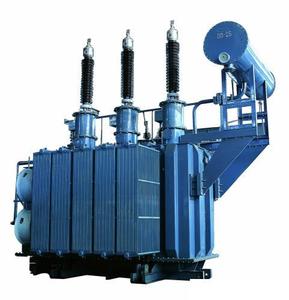
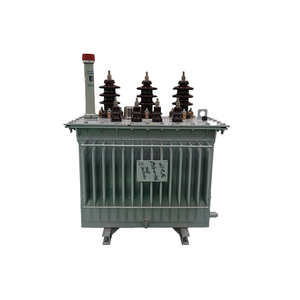
Technical Requirement: 6300kVA oil-immersed three-phase cathodic protection rectifier transformers. Designed with salt-spray resistant sealed tanks to supply continuous DC current to submerged steel structures, preventing galvanic marine corrosion.
Power Generation Excitation Overhaul (Chiba / Kashima)
Primary Deployment Zone: Thermal power plants and industrial biomass facilities.
Technical Requirement: Precision excitation system transformers matching Hyundai HFC6, Mitsubishi, or Toshiba static excitation retrofits. Engineered for ultra-fast transient voltage response and high insulation withstand strength.
Green Hydrogen Electrolysis Projects (Hokkaido / Fukushima)
Primary Deployment Zone: Renewable hydrogen production testbeds.
Technical Requirement: Multi-megawatt step-up rectifier transformers converting variable renewable AC power into stable, high-amperage DC output required for water electrolysis stacks.
Key Market & Engineering Trends Driving Japanese Procurement
Transformer repair and export suppliers must stay ahead of major technological shifts currently transforming Japan’s industrial energy sector:
1. METI Top Runner Program Phase 2 Compliance
Japan’s Ministry of Economy, Trade and Industry (METI) has enforced tighter no-load and load loss standard limits for distribution and power transformers under the Top Runner Program. Refurbished and exported units must utilize high-permeability cold-rolled grain-oriented (CRGO) silicon steel cores (such as Hi-B grades or amorphous alloys) to minimize standby energy consumption.
2. Adoption of Synthetic Ester Transformer Fluids
In response to strict environmental regulations in urban Japanese centers (Tokyo, Yokohama), plant operators are transitioning away from traditional mineral oil toward biodegradable synthetic ester liquids (MIDEL 7131 class). Synthetic esters provide a fire point exceeding 300°C, drastically lowering insurance risks in dense industrial areas.
3. Seismic Isolation & Digital Condition Monitoring
Modern Japanese procurement specs increasingly mandate integrated online DGA (Dissolved Gas Analysis) sensors, fiber-optic winding temperature detectors (WTI), and smart IoT telemetry. Exported units must support MODBUS or IEC 61850 communication protocols for remote diagnostics within SCADA networks.
4. Rapid-Response Emergency Rewind Schemes
To avoid costly production halts, Japanese firms are contracting specialized international repair partners capable of conducting reverse-engineering, coil rewinding, core restacking, and high-voltage testing within a strict 30-day window, followed by air or fast sea transport.
Sahara Transformers & Alliance Overhaul Capabilities
ISO-Certified engineering capacity supplying global power utilities, EPC contractors, and industrial plants since 2007. Specializing in high-reliability transformers up to 10 MVA, 33kV class.
Comprehensive Diagnostic Pipeline
Full suite of factory and diagnostic testing including Dissolved Gas Analysis (DGA), Tan Delta dielectric loss testing, Sweep Frequency Response Analysis (SFRA), Partial Discharge (PD) monitoring, and breakdown voltage (BDV) verification.
Precision Coil Rewinding & VPI
State-of-the-art coil rewinding using Oxygen-Free High-Conductivity (OFHC) copper conductors, Nomex insulation, and automated Vacuum Pressure Impregnation (VPI) for superior dielectric strength and moisture resistance.
Specialty Industrial Transformers
Custom engineering for Scott-Connected transformers (3-phase to 2-phase conversion), metallurgical furnace transformers, solar inverter duty units, and compact integrated substations (CSS).
Global Shipping & Marine Packaging
Heavy-duty export packaging compliant with ISPM 15 wood standards, vapor-barrier vacuum wrapping, desiccant protection, and shock-monitored sea freight delivery directly to major Japanese ports.
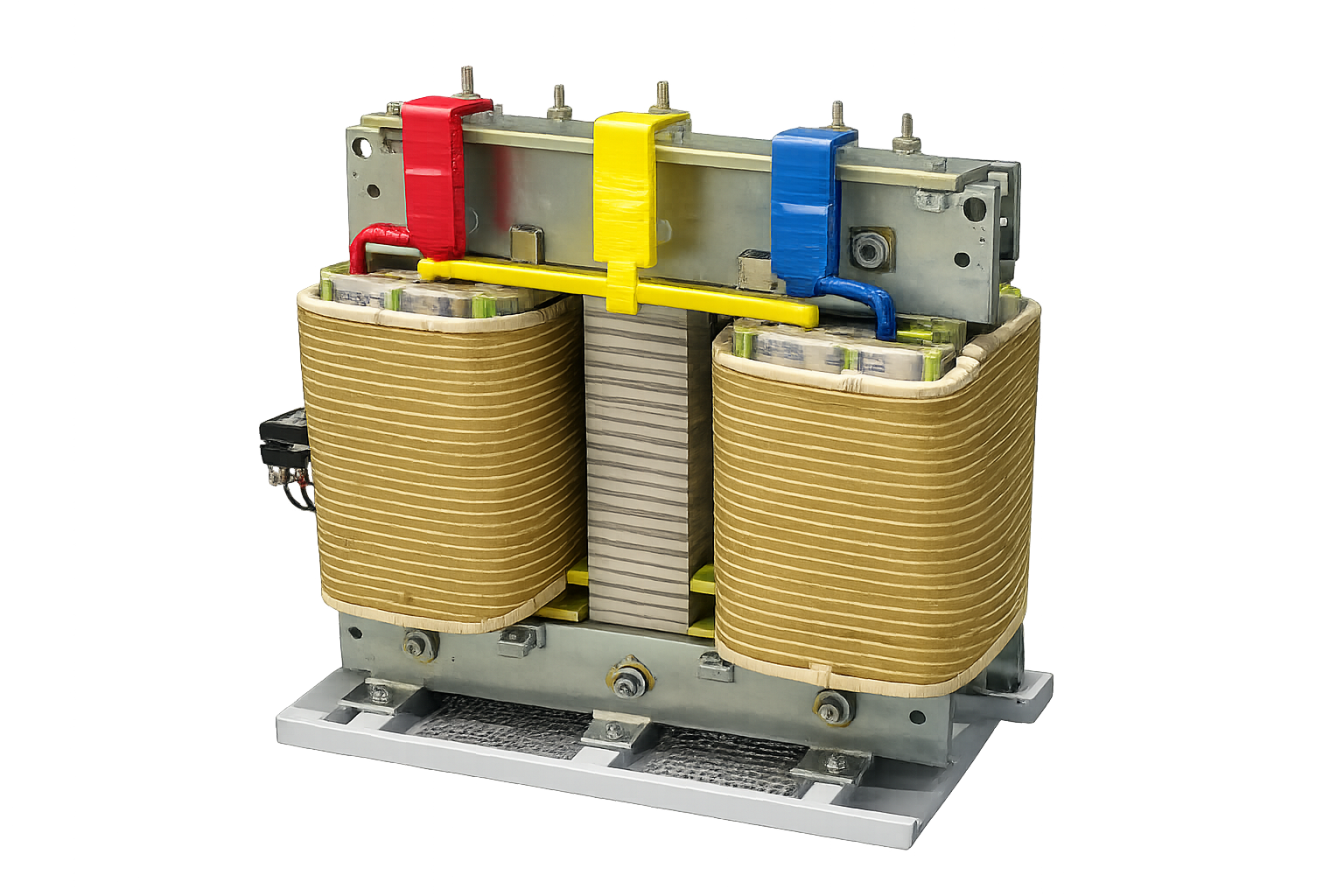
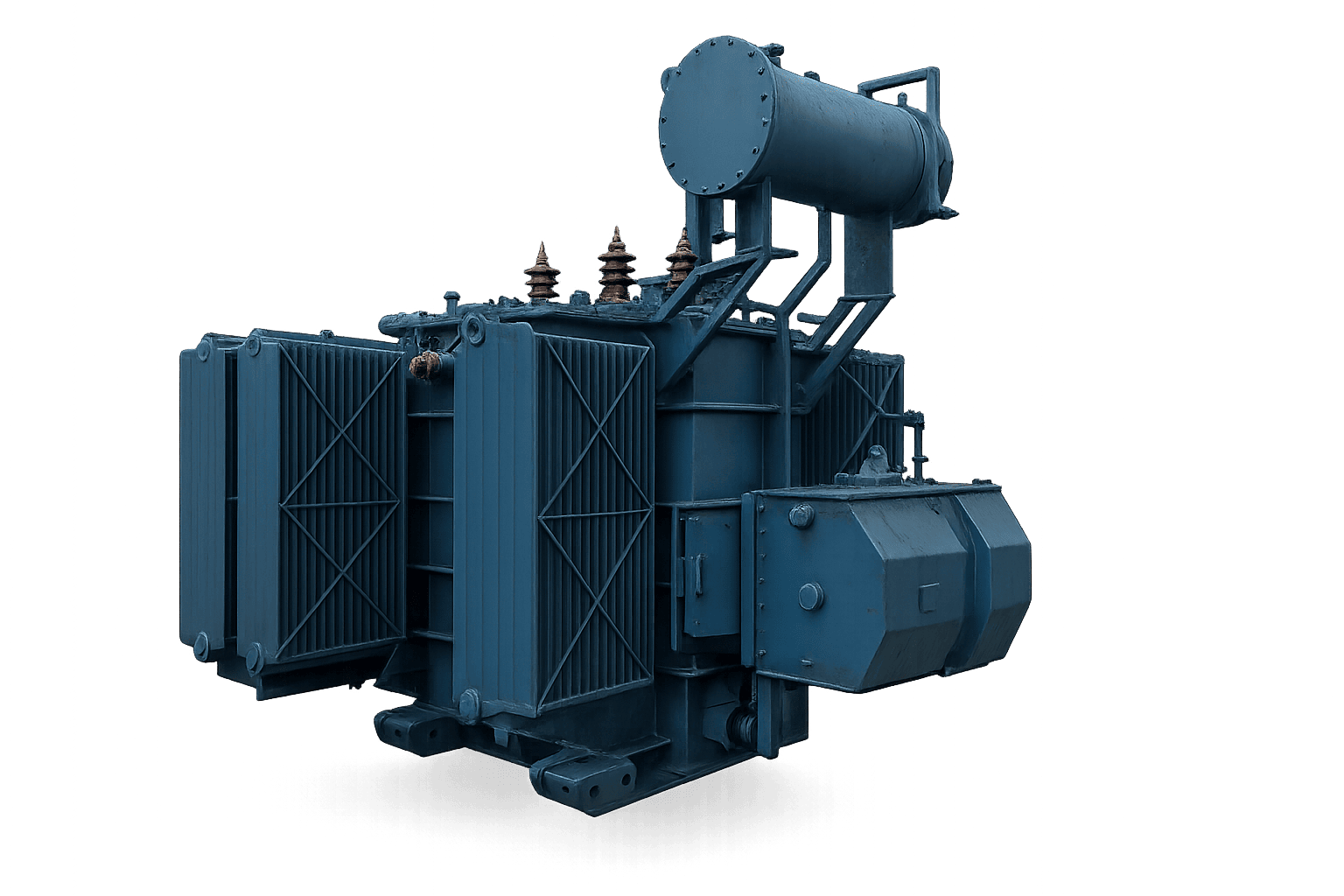
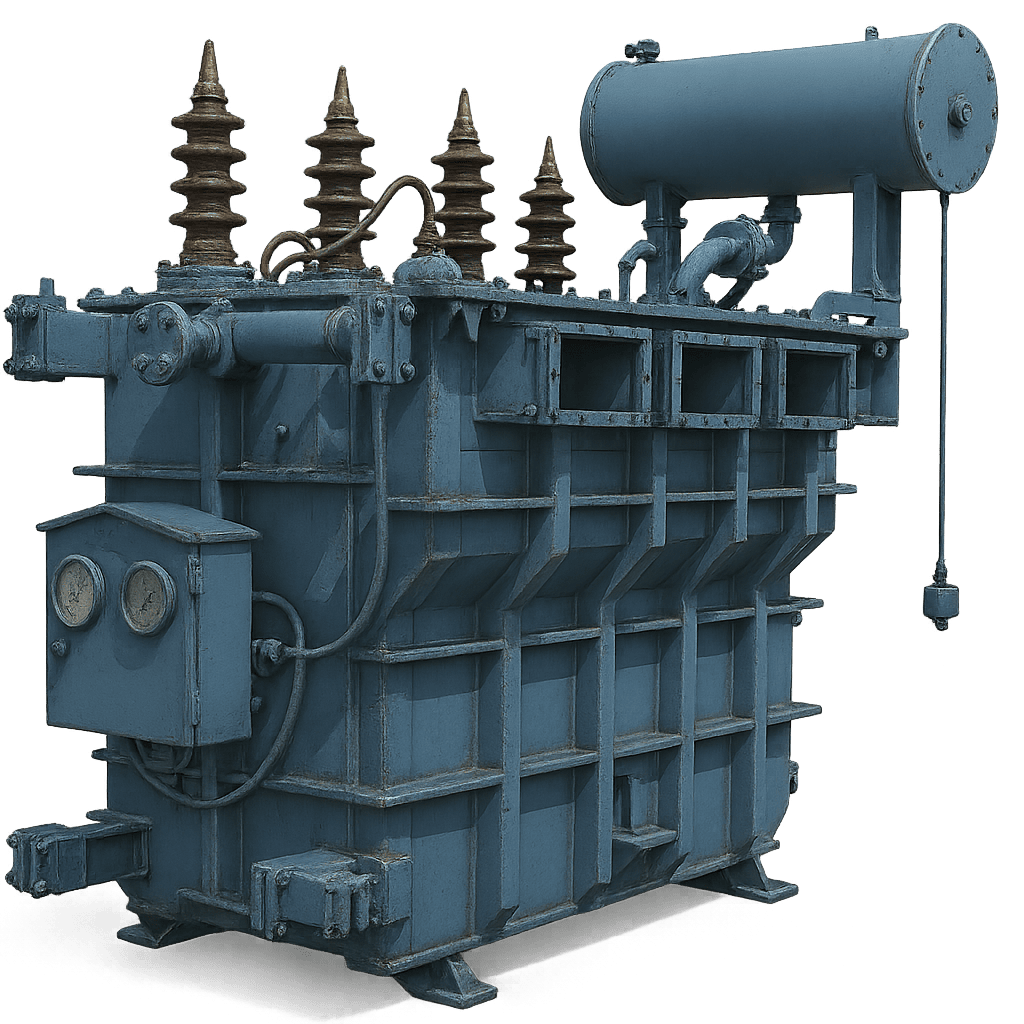
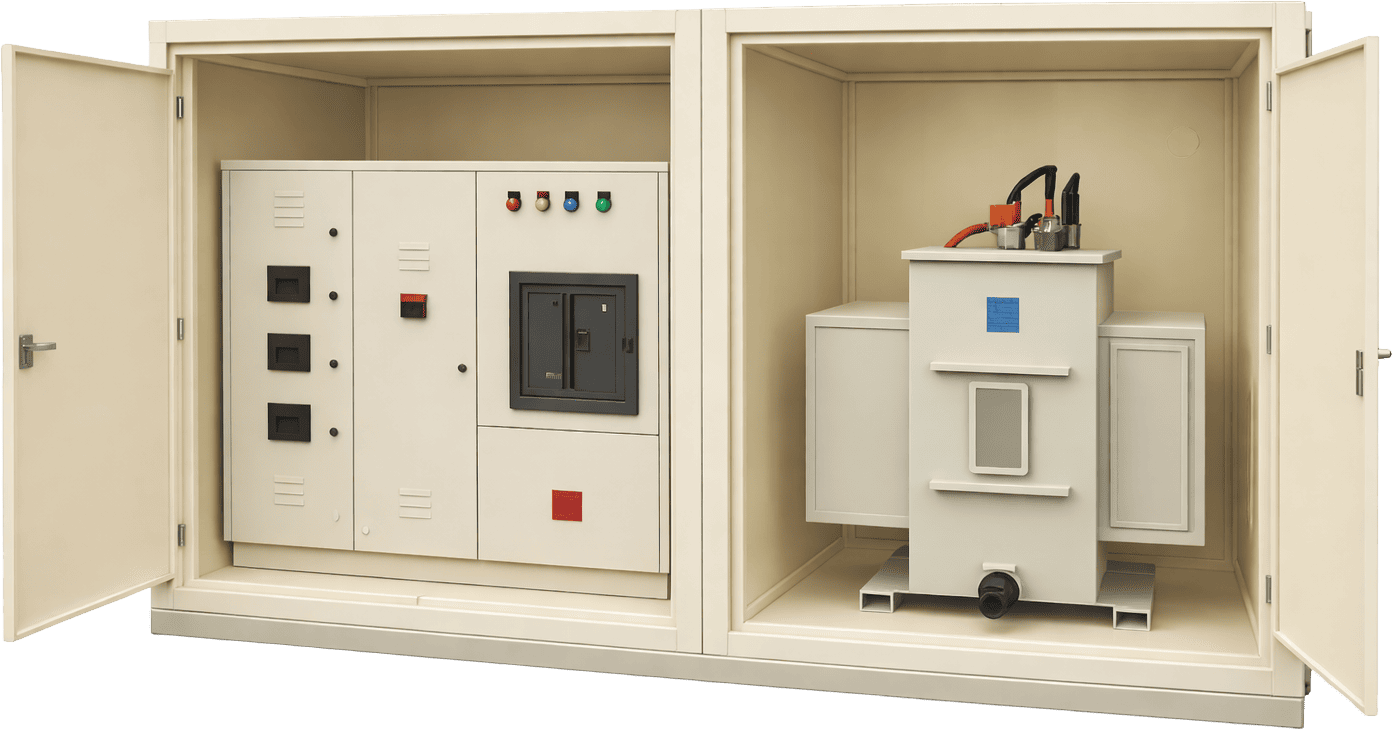
Product Line Portfolio (25kVA to 10 MVA / Up to 33kV)
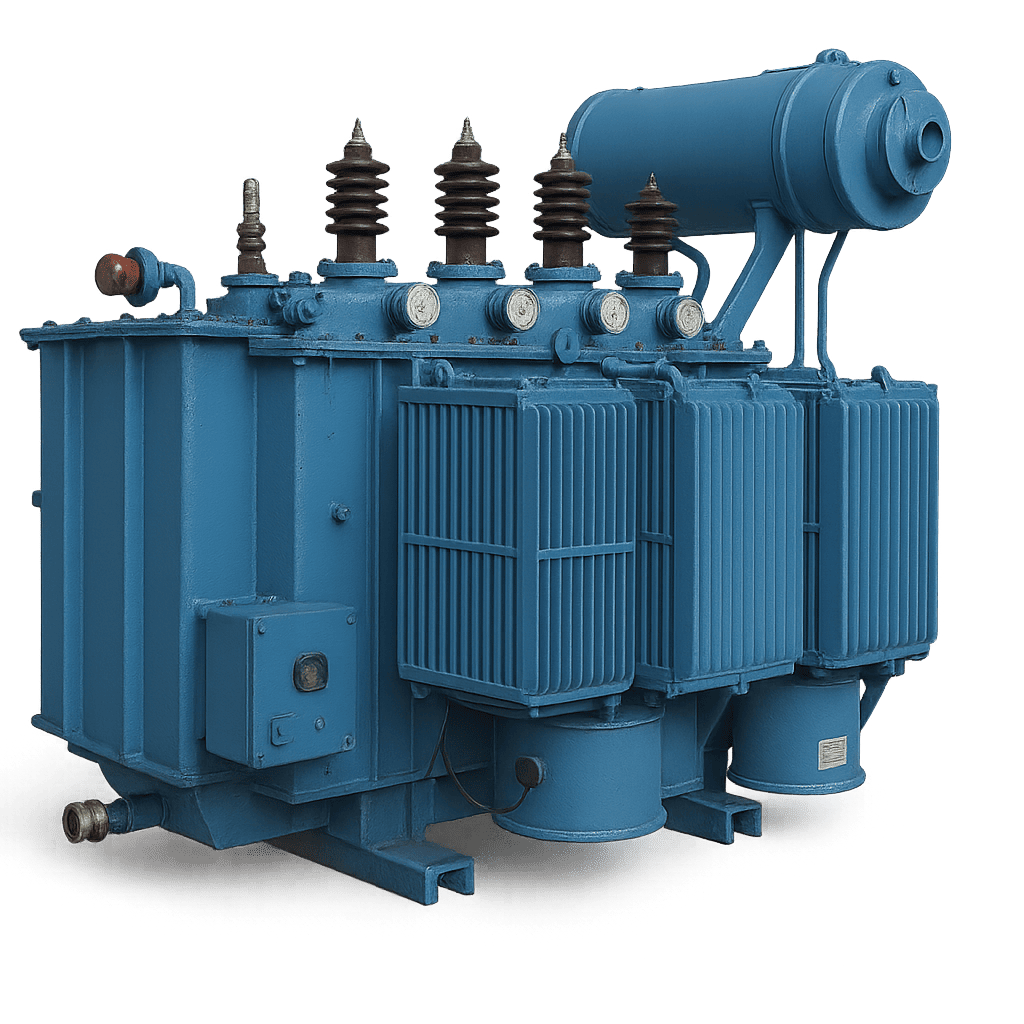
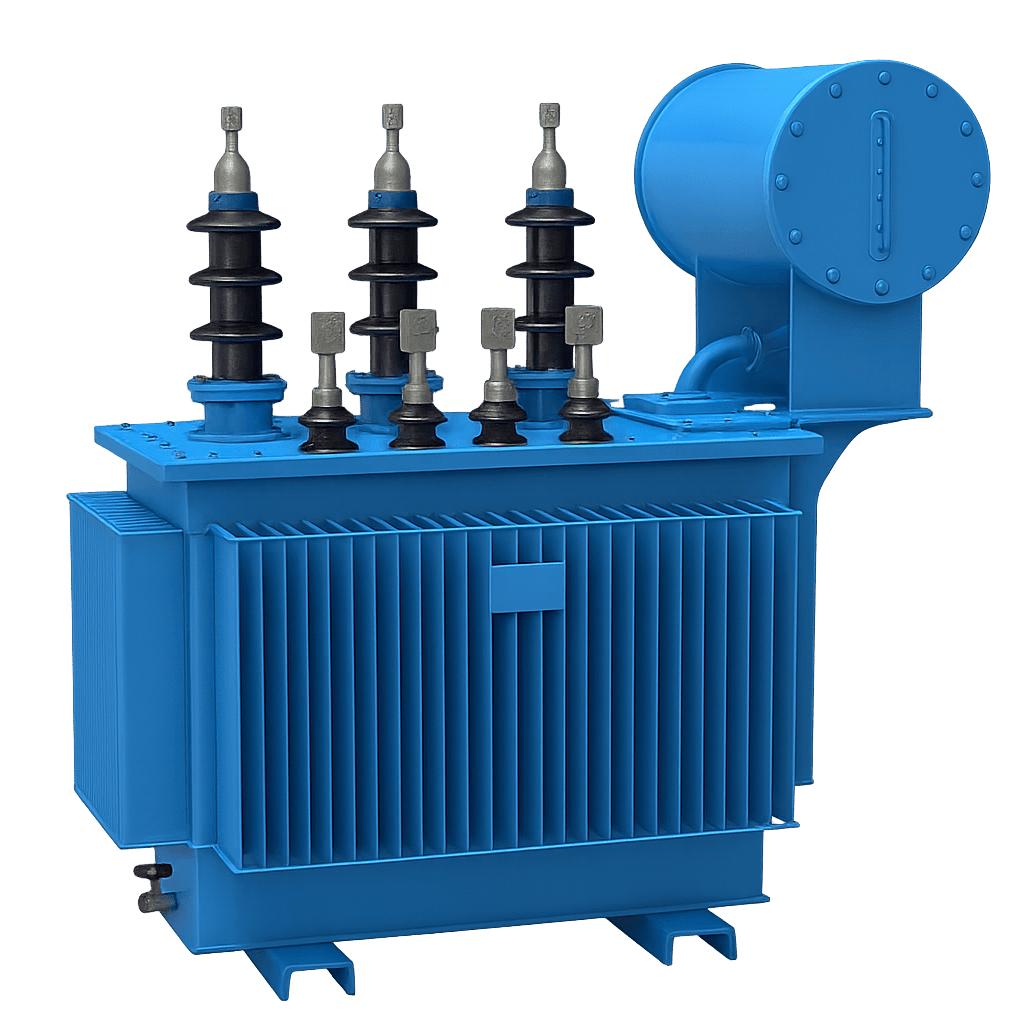
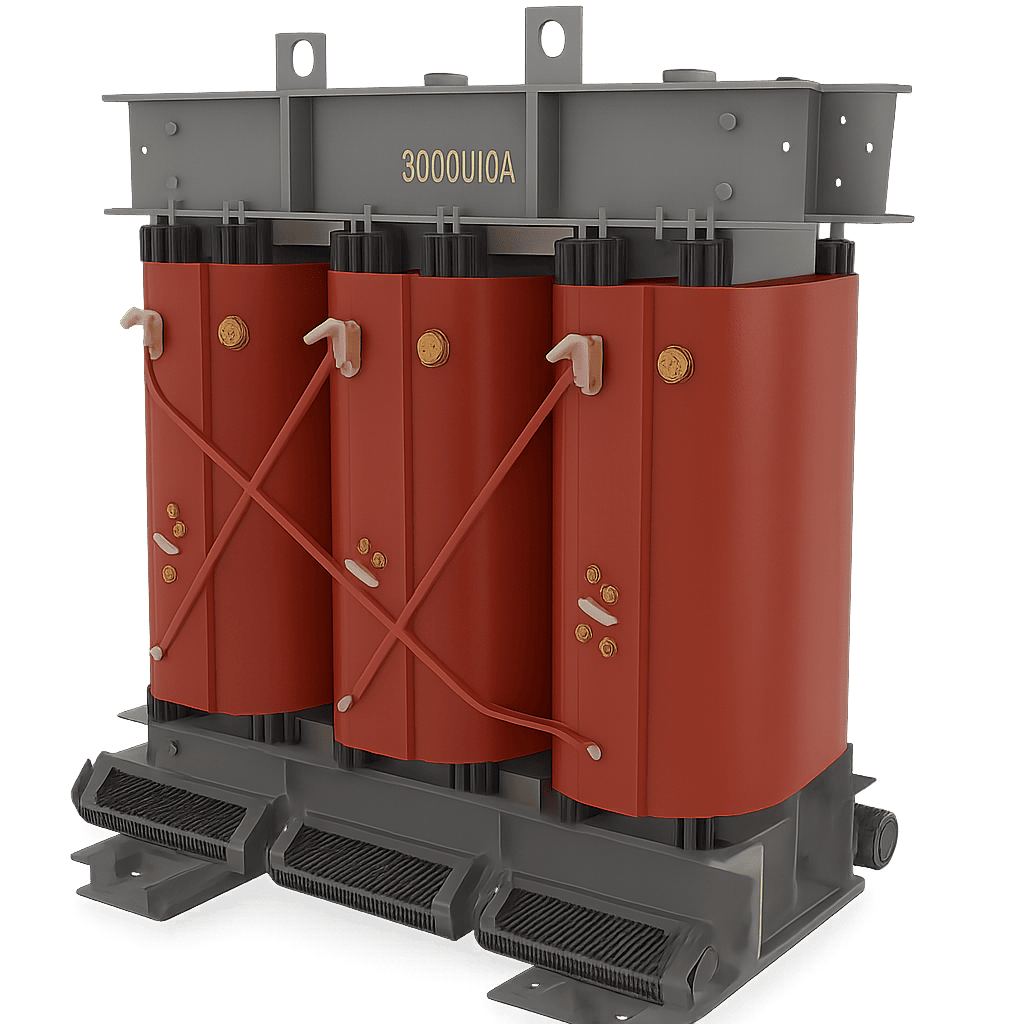
Frequently Asked Questions by Japanese Engineers & Buyers
Addressing technical compliance, import logistics, frequency conversion, and warranty policies for transformer overhaul and export services serving Japan.
Require Immediate Transformer Repair or Custom Sourcing for Japan?
Connect with our senior high-voltage electrical engineers for technical consultation, JIS/METI compliance verification, and fast-track RFQ processing.
Get a Quote