Precision Transformer & Industrial Rectifier Lineup
Engineered for high efficiency, ultra-low losses, and extreme thermal resilience across Tokyo's commercial, industrial, and traction power sectors.
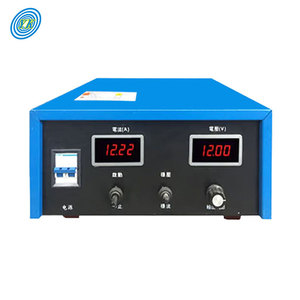
YUCOO Plating Rectifier 220V AC to 12V DC 50A-1000A Electroplating Rectifier
Input/Output: 220V AC to 12V DC
Current Range: 50A / 500A / 1000A Continuous
Application: Precision PCB Plating & Metal Finishing
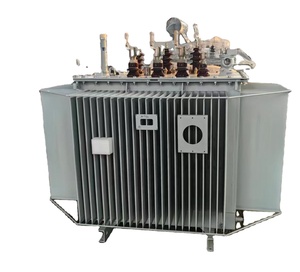
Factory Direct Sales Three Phase Control Electrical Rectifier Transformer
Phase & Frequency: 3-Phase / 50Hz TEPCO Compatible
Control Type: Thyristor Stepless Voltage Regulation
Efficiency Rating: > 98.2% Low Loss Design
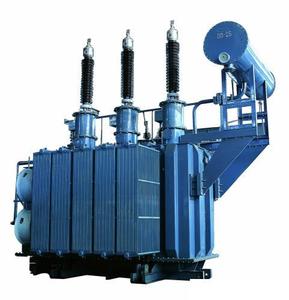
Oil Immersed High Current 6300kVA Three Phase Cathodic Protection Rectifier Transformer
Capacity Rating: Up to 6300 kVA Heavy Duty
Cooling Type: ONAN / ONAF Oil-Immersed Sealed
Protection: Marine-Grade Corrosion & Cathodic
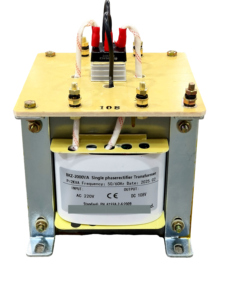
380V/220V to 60V-6V AC to DC 2000VA 5KVA Single-Phase Control Transformer
Secondary Taps: 60V / 48V / 24V / 12V / 6V DC
Power Range: 2000VA to 5KVA Dry-Type
Insulation: Class H 180°C High Temp Resistance
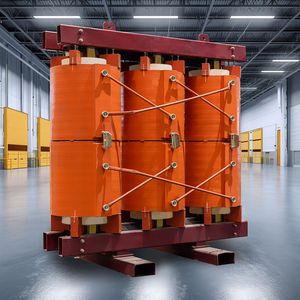
CEEG ZQSC(H)B Series 2000kVA/10kV Epoxy Cast Traction Dry-Type Transformer
HV Voltage Class: 10kV / 11kV High Voltage Input
Structure: Epoxy Resin Cast Flame Retardant
Application: Subway Traction & Metro Substation
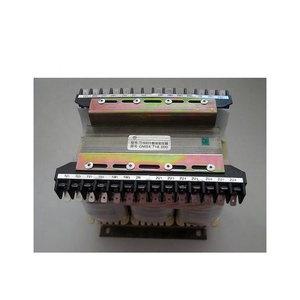
Original T6 Electric Power Rectifier Transformer TI16933 Excitation System
Compatibility: HYUNDAI HFC6 Generator Excitation
Design: High Peak Transient Load Resilience
Certification: ISO / CE / IEC Technical Compliance
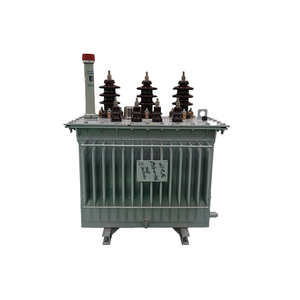
Control 33kV 300kVA to 1MW Sealed Rectifier Transformer (220V to 110V Options)
Primary Voltage: 33kV High Voltage Substation Class
Capacity Output: 160kVA, 300kVA, 400kVA up to 1MW
Enclosure: Hermetically Sealed IP65 Tank
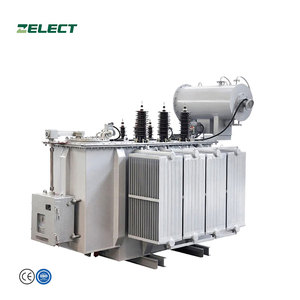
50kVA - 3000kVA Transformador 3-Phase Step Up Rectifier Transformer
Capacity Scaling: 50kVA up to 3000kVA Modular
Phase Config: 3-Phase Delta / Star Phase-Shifted
Loss Rating: JIS C 4304 Level 3 Top-Runner Compliant
Technical Specification Requirements for Current & Rectifier Transformers in Greater Tokyo
The Tokyo metropolitan power architecture is recognized globally as one of the most demanding electrical environments. Operating strictly under the Tokyo Electric Power Company (TEPCO) Eastern Japan grid standard of 50 Hz frequency, sourcing current transformers, distribution transformers, and heavy-duty industrial rectifier transformers for Tokyo requires precise adherence to local engineering protocols. Overseas manufacturers and exporters supplying the Tokyo market must reconcile international standards like IEC 60076 and IEEE C57 with Japan Industrial Standards (JIS C 4304 and JIS C 4306) as well as the Japan Electrotechnical Commission (JEC-2200) frameworks.
In particular, high-density industrial hubs across the Kanto plain—such as the Keihin Industrial Area (spanning Tokyo, Kawasaki, and Yokohama) and the growing data center hubs in Inzai—demand specialized rectifier transformers capable of handling severe harmonic distortion created by thyristor rectifiers and modern IGBT switches. High-capacity DC power supplies, electroplating rectifiers, and railway traction substations demand low-loss, flame-retardant dry-type cast resin construction or hermetically sealed oil-immersed transformers equipped with advanced harmonic cancellation windings (such as 12-pulse and 24-pulse phase-shifting topologies).
Technical Information Gain Note: Unlike Western 60Hz grids, exporting electrical transformers to Tokyo requires custom core flux density calibration to prevent thermal oversaturation at 50Hz operating frequency. Operating a 60Hz transformer on Tokyo’s 50Hz network leads to a 20% increase in core magnetic flux, risking severe overheating, audible noise exceeding municipal limits, and accelerated insulation breakdown.
Comparing JIS C 4304 vs. IEC 60076 Standards for Exporting to Tokyo
To successfully deploy power transformers and rectifier transformers within Tokyo’s commercial sky-scrapers and industrial complexes, equipment must satisfy strict efficiency benchmarks established under Japan's revised Top Runner Program (Energy Conservation Act). The table below outlines the core differences engineering procurement teams must evaluate when sourcing transformers for Tokyo:
| Engineering Specification Parameter | Tokyo Market Standard (JIS / JEC / TEPCO) | Standard International Benchmark (IEC / IEEE) | Impact on Overseas Transformer Procurement |
|---|---|---|---|
| Grid Frequency | 50 Hz Nominal (Eastern Japan Grid) | 50 Hz or 60 Hz Universal | Core steel magnetic density must be oversized by 17-20% compared to 60Hz units to prevent saturation. |
| Primary Distribution Voltages | 6.6 kV, 22 kV, 66 kV (TEPCO Distribution) | 11 kV, 33 kV, 110 kV Standard | Winding turns ratios must be customized specifically for 6.6kV or 22kV step-down distribution networks. |
| Seismic Withstand Factor | 0.6g - 1.0g Horizontal Acceleration | 0.3g - 0.5g Standard Seismic Rating | Tank reinforcement, internal core clamping, and anti-vibration rubber mounts are mandatory for Tokyo seismic codes. |
| Fire Safety & Smoke Density | F1 / F2 Self-Extinguishing Cast Resin | Standard Flame Retardant Options | Sub-basement and skyscraper installations in Tokyo mandate non-flammable epoxy dry-type transformers (IEC 60076-11). |
| Audible Noise Limits | < 45 dB to 52 dB (Dense Urban Zone) | 55 dB to 68 dB Standard Industrial | Low-noise silicon steel laminations (grain-oriented CRGO) and sound-dampening enclosures are essential. |
Localized Application Scenarios across the Tokyo Metropolitan District
High-performance current transformers and rectifier systems serve critical infrastructure functions across Tokyo's diverse commercial and heavy industrial corridors. Sourcing the right product configuration requires matching transformer engineering to the specific operational stresses of local Tokyo applications:
Tokyo Bay Cathodic Protection
Oil-immersed heavy current rectifier transformers (up to 6300kVA) engineered for marine cathodic protection along port facilities, harbor infrastructure, and undersea fuel pipelines around Tokyo Bay.
Metro & Rail Traction Power
CEEG ZQSC(H)B Series epoxy resin cast dry-type transformers supplying 750V DC and 1500V DC power to sub-surface rail substations powering Tokyo Metro and Toei Subway networks.
Inzai Super Data Centers
High-capacity step-down sealed control transformers feeding mission-critical uninterruptible power supply (UPS) rectifiers with ultra-low partial discharge (<10pC) for 99.999% uptime.
Ota Ward Precision Plating
Compact YUCOO 220V AC to 12V DC (50A to 1000A) electroplating rectifiers delivering precise continuous current regulation for Tokyo’s micro-electronics and semiconductor component plating facilities.
High-Rise Commercial Buildings
Cast resin dry-type 6.6kV/22kV distribution transformers installed in Tokyo skyscrapers (e.g., Roppongi and Marunouchi), prioritizing space savings and zero oil-leak fire risks.
Megawatt EV Fast Charging Hubs
Multi-tap step-up 3-phase rectifier transformers (50kVA - 3000kVA) tailored for ultra-fast EV charging hubs along the Shuto Expressway network requiring rapid dynamic load tracking.
Emerging Trends Shaping Electrical Transformer Exports to Greater Tokyo
Sourcing managers and electrical contractors operating in Tokyo must navigate significant technological and regulatory evolutions. The following trends represent critical buying factors for procurement teams in 2025 and beyond:
GX (Green Transformation) Decarbonization
Japan’s national GX mandate requires Tokyo factories and building operators to adopt transformer units meeting stringent Level 3 loss efficiency thresholds, cutting idle standby losses by up to 28%.
Seismic Reinforcement Architecture
Following updated Kanto earthquake vulnerability models, Tokyo buyers demand structural stress analysis proof ensuring transformers withstand 1.0g peak ground acceleration without core displacement.
Harmonic Suppression in Power Rectifiers
With widespread adoption of non-linear industrial loads, 12-pulse and 24-pulse phase-shifting rectifier transformers are now mandatory to prevent harmonic pollution on TEPCO's high-voltage lines.
Eco-Friendly Insulation Liquids
Substation designs near Tokyo Bay increasingly specify synthetic ester liquids over mineral oils to ensure high flash points (>300°C) and 100% biodegradability in sensitive urban waterways.
Manufacturing Quality Framework & Enterprise Export Competencies
As an established OEM/ODM manufacturer and exporter serving international power grids and industrial markets since 2007, our production infrastructure is specifically optimized to meet the exacting quality expectations of Japanese engineering firms and EPC contractors.
ISO 9001:2015 & ISO 14001 Quality Certified
Full traceability across raw material sourcing, automated CNC core lamination stacking, and high-purity electrolytic copper winding processes.
Rigorous Factory Acceptance Testing (FAT)
Every exported unit undergoes complete routine testing: impulse withstand, winding resistance, voltage ratio, load loss, and partial discharge verification.
Custom 50Hz TEPCO Winding Configurations
In-house transformer design engineering team capable of customizing primary/secondary voltages, tap changers (OLTC/NLTC), and dual 50/60Hz frequency selector switches.
Heavy Industrial Container Logistics
Direct export logistics capabilities with specialized seaworthy vacuum-sealed packaging tailored for Tokyo Port and Yokohama Port entry points.
Harsh Environment Enclosure Rating
C4 and C5-M marine-grade anti-corrosion painting treatments designed to resist Tokyo Bay’s high-salt humidity and urban pollution.
Dedicated B2B Technical Support
Comprehensive engineering consultation, CAD/3D BIM drawings for building integration, and remote commissioning assistance for Tokyo contractors.
Frequently Asked Questions for Sourcing Transformers to Tokyo
Below are authoritative answers to common engineering and commercial queries encountered by Japanese procurement specialists when importing industrial transformers into Tokyo:
Q1: How do you ensure imported transformers operate safely on Tokyo’s 50Hz TEPCO grid?
Q2: What certifications are required for transformer installation in Tokyo commercial buildings?
Q3: Can custom voltage ratios (e.g., 6.6kV to 220V/110V DC) be manufactured?
Q4: How are heavy power transformers protected against Tokyo Bay marine salt corrosion?
Q5: What seismic reinforcement features are built into your exported transformers?
Q6: What is the typical lead time and ocean transit route to Tokyo Port?
Request a Customized Technical Quote for Tokyo Delivery
Consult directly with our senior transformer application engineers to receive full specifications, 3D CAD dimensions, and competitive export pricing for the Tokyo market.
Send an Inquiry