
Compact Substation Architecture for Osaka's Modern Power Infrastructure
An in-depth analysis of prefabricated modular power distribution systems designed to meet the rigorous demands of the Greater Osaka metropolitan area and Kansai industrial grid.
1. The Osaka Energy Landscape: Navigating Kansai Grid Requirements
The Greater Osaka metropolitan area, as the economic powerhouse of Western Japan (Kansai region), operates under a distinct electrical standard compared to Eastern Japan. Most notably, Osaka’s power grid runs strictly at a nominal frequency of 60 Hz, managed primarily under the distribution guidelines of Kansai Electric Power Company (KEPCO). Operating in this densely populated, coastal industrial environment requires specialized engineering for compact substations (CSS) and prefabricated transformer box units.
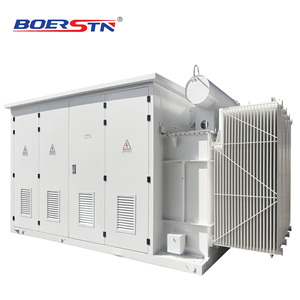
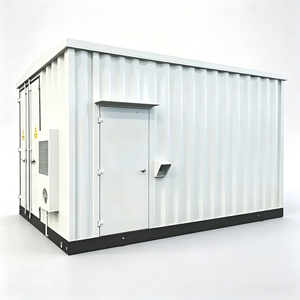
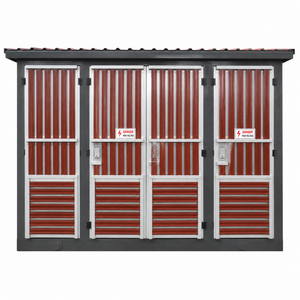
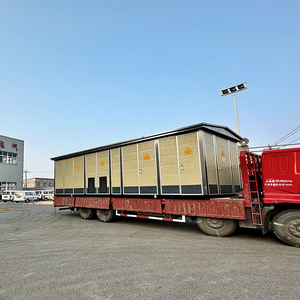
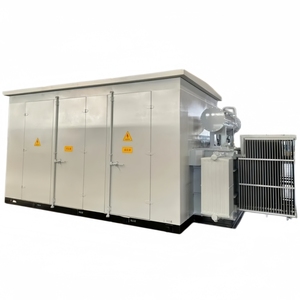
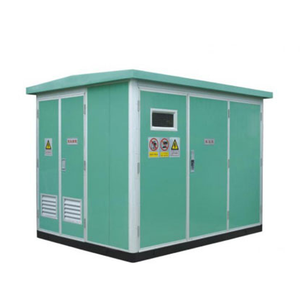
In municipal centers such as Kita-ku (Umeda), Namba, and the newly developed Umekita Phase 2 district, space constraints command an absolute premium. Traditional civil-constructed indoor substations demand massive structural footprints, lengthy installation schedules, and significant civil engineering costs. Overseas engineering buyers and local Japanese EPC contractors are increasingly turning to factory-assembled, prefabricated compact substations that combine high-voltage switchgear, low-voltage distribution panels, and high-efficiency step-down transformers into a single, compact, weather-proof steel enclosure.
2. Localized Application Scenarios Across Greater Osaka
As a seasoned compact substation manufacturer and exporter serving Osaka, our engineering team tailors each unit to specific regional deployment profiles across the Kansai industrial corridor:
Osaka Bay & Yumeshima Island Microgrids
With major international events and smart city infrastructure expanding across Yumeshima and Sakishima (Nanko district), coastal installations face extreme marine exposure. Our substations feature C5-M grade polyurethane anti-corrosion coatings and IP66 hermetic sealing to withstand salt spray, high humidity, and coastal storm surges.
Hanshin Industrial Region (Manufacturing Hubs)
Stretching between Osaka and Kobe, heavy automotive, chemical, and steel manufacturing plants require uninterrupted 6.6kV/22kV step-down power. Our YBW/YBP package substations integrate dry-type or oil-immersed transformers with dynamic harmonics suppression to handle non-linear industrial motor loads.
Urban Infill & Commercial High-Rises
In congested commercial districts, site footprint must be minimized by up to 70%. Our European-style prefabricated substations utilize SF6-free Ring Main Units (RMU) and cast-resin dry-type transformers, adhering to strict municipal fire prevention ordinances and low noise level (<55 dB) requirements.
3. Technical Evolution & Trends in Osaka's Power Distribution (2024–2030)
The Kansai power sector is undergoing a rapid transition driven by three structural trends:
- Seismic Resilience & Earthquake Readiness: Given Japan’s high seismic activity and potential Nankai Trough contingency planning, substations must withstand ground acceleration ratings exceeding 0.6g. Our enclosures integrate flexible internal busbar connections and reinforced structural base frames compliant with JIS C 0920 standards.
- Green Energy & Rooftop Solar Integration: Industrial logistics warehouses across Osaka’s port zones are retrofitting large-scale PV arrays. Our Solar Inverter Duty Compact Substations feature multi-winding step-up transformers specially designed to handle high harmonic frequencies and bidirectional power flows seamlessly.
- Smart Grid Digitalization: Modern Osaka municipal utilities require real-time telemetry. Our CSS units come pre-wired with intelligent Remote Terminal Units (RTU), optical fiber communication interfaces, and Dissolved Gas Analysis (DGA) sensors for predictive maintenance via SCADA systems.
4. Technical Comparison Matrix: Civil Built vs. Modular Prefabricated Substation
To provide clear information gain for procurement officers and EPC engineers evaluating Osaka power projects, the table below highlights the performance and cost parameters between traditional brick-and-mortar substations and our factory-certified modular CSS solutions:
| Engineering Metric | Traditional Civil Substation | Factory Prefabricated CSS (Our Solution) | Osaka Project Benefit |
|---|---|---|---|
| Footprint Requirement | Large (35 m² - 60 m²) | Compact (8 m² - 15 m²) | 75% Land Savings |
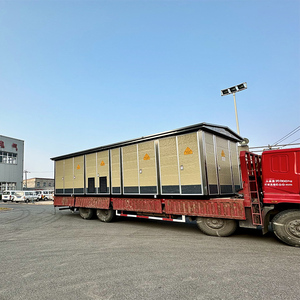
| On-Site Lead Time | 4 to 6 Months (Civil construction) | 3 to 7 Days (Plug-and-Play) | Rapid Energization |
| Enclosure Protection | Variable masonry quality | IP66 Steel / C5-M Anti-Corrosion | Resists Marine Salt Spray |
| Seismic Endurance | Standard concrete structural code | Class 4 Anti-Vibration Damping | Nankai Trough Ready |
| Compliance Standard | Local custom building inspects | IEC 62271-202 / ISO 9001 / JIS Align | Global & Local Quality |
| Harmonics & Thermal Loss | Standard field wiring losses | Low-Loss Amorphous / CRGO Cores | Reduces Opex & Carbon Footprint |