Technical Overview & Regulatory Context
1. Understanding IS 1180 (Part 1): 2014 Standard & Its Impact on Global Power Infrastructure
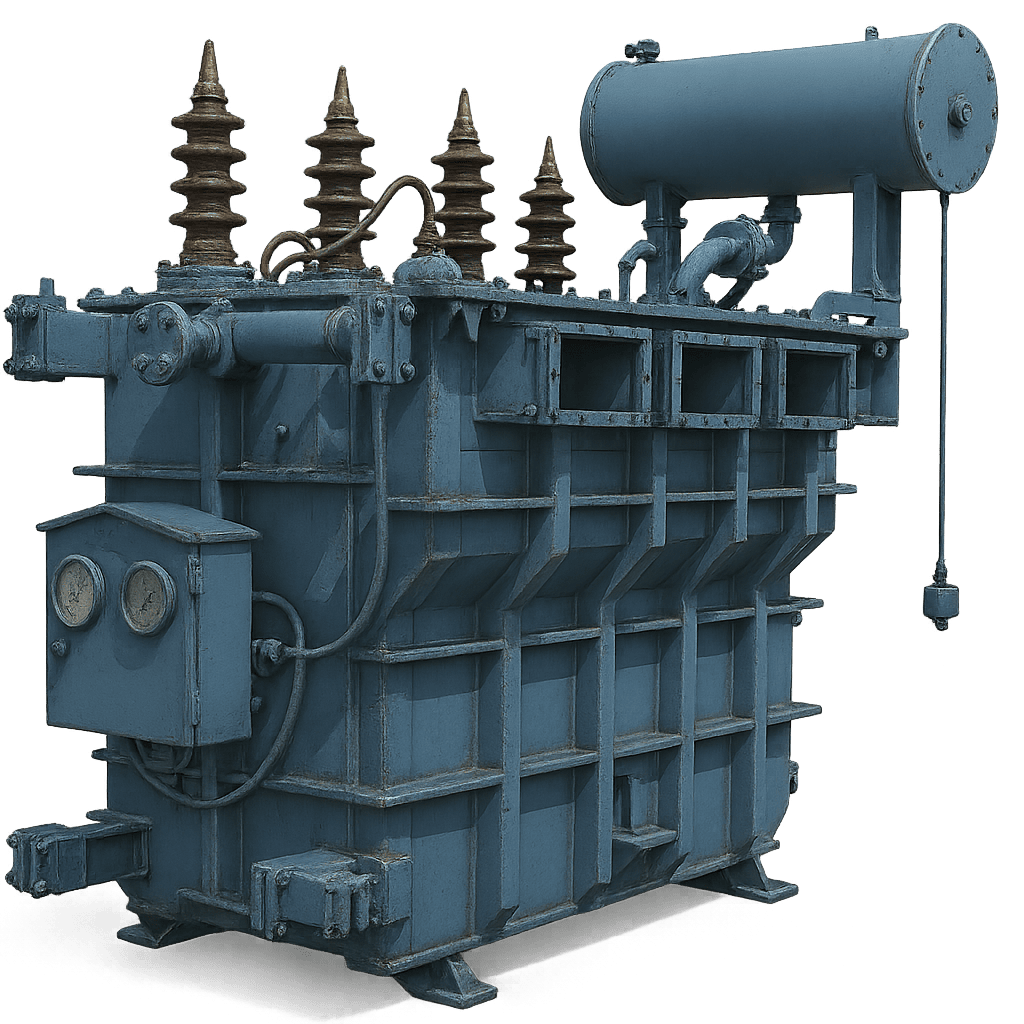
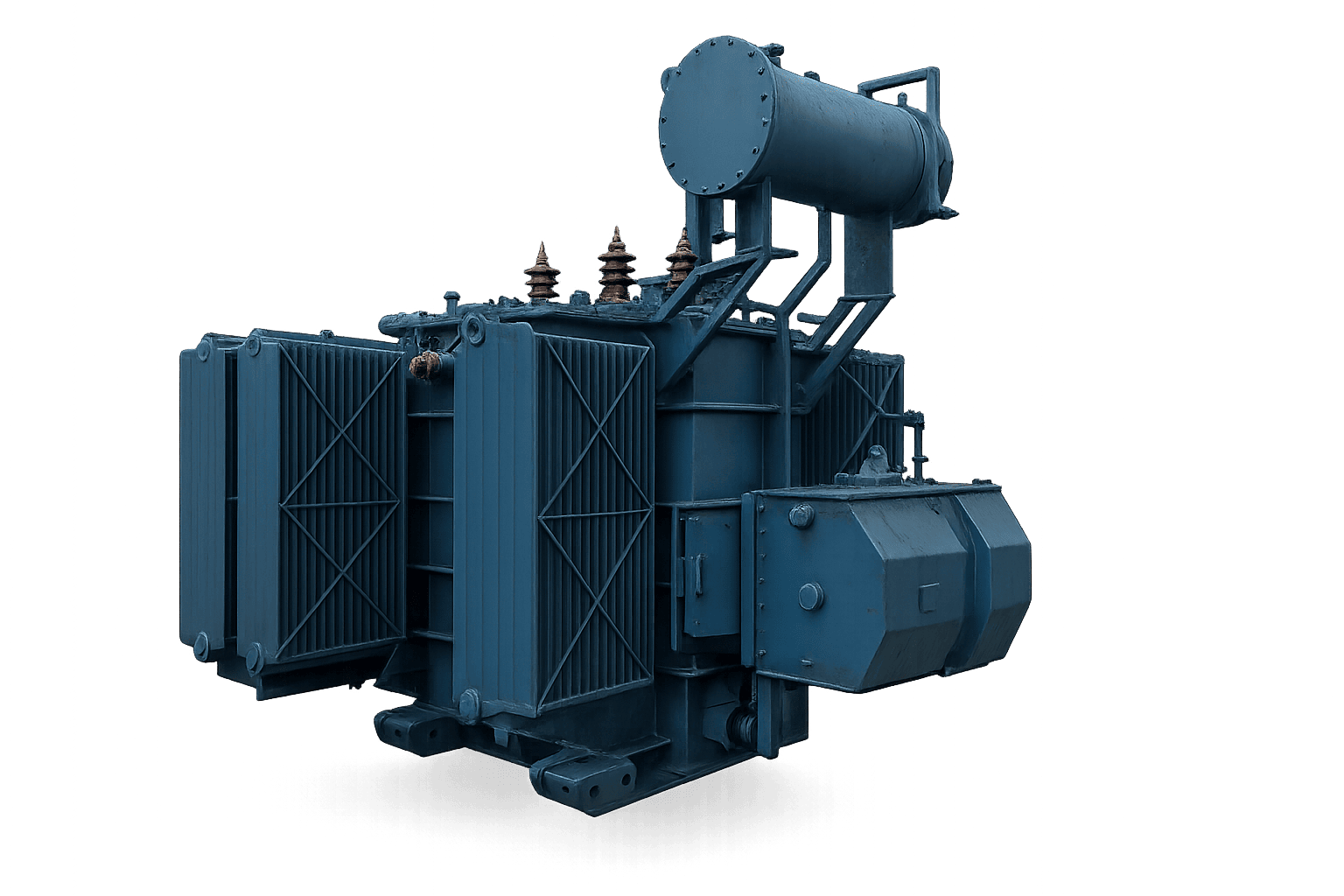
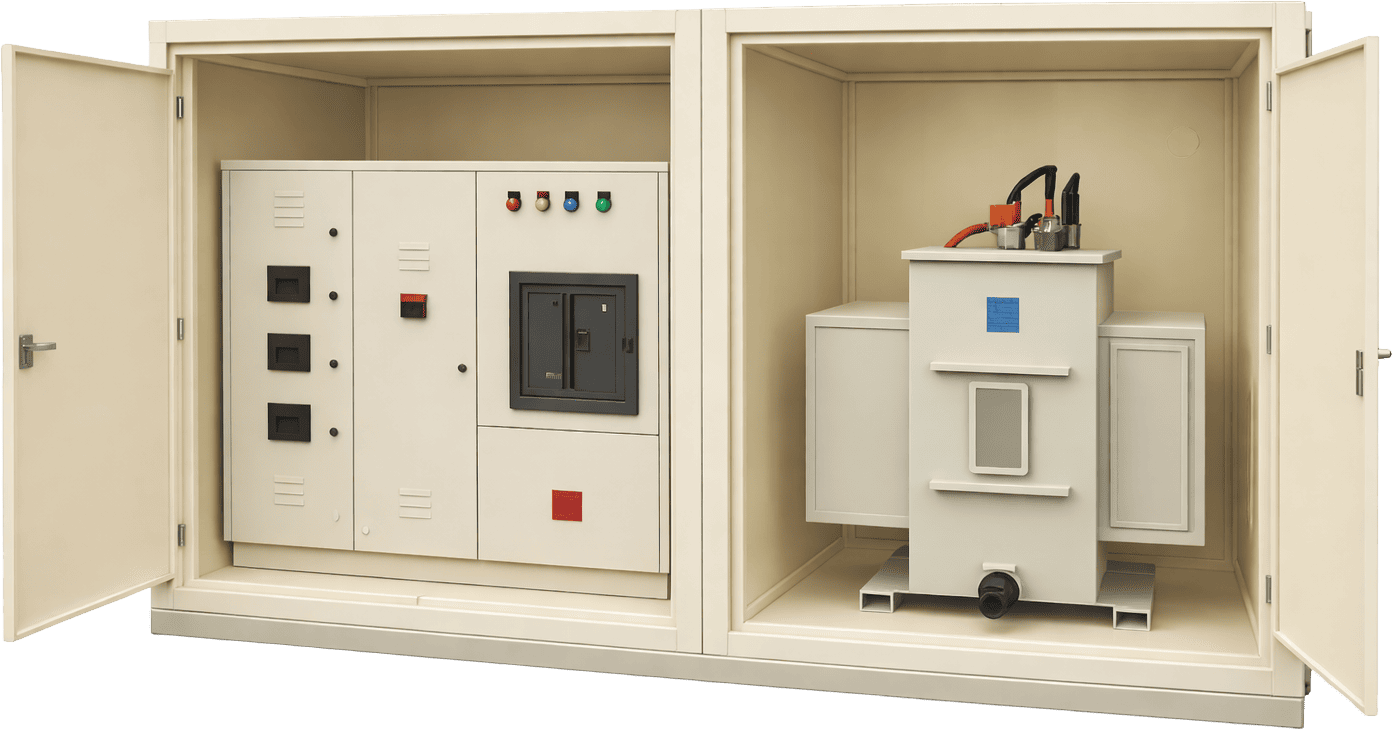
In the evolving landscape of global electrical infrastructure, energy efficiency and grid reliability have shifted from operational preferences to mandatory regulatory standards. Key to this transition in South Asia and rapidly expanding across international markets accepting Indian standards is IS 1180 (Part 1): 2014, including its latest amendments (Amendment No. 1 and Amendment No. 2). Issued by the Bureau of Indian Standards (BIS) and backed by the Bureau of Energy Efficiency (BEE), this standard governs outdoor and indoor liquid-immersed and dry-type distribution transformers up to and including 2500 kVA, operating at system voltages up to 33kV.
For global buyers, procurement specialists, and EPC (Engineering, Procurement, and Construction) contractors, sourcing IS 1180 Compliant Transformers provides an assurance of rigorous quality control, minimized operational total cost of ownership (TCO), and guaranteed maximum loss ceilings at both 50% and 100% operating loads.
Core Regulatory Mandate: Under IS 1180 (Part 1): 2014, transformers are classified into three distinct Energy Efficiency Levels (Level 1, Level 2, and Level 3). Level 3 represents the highest efficiency tier with the lowest permissible total loss limits, directly translating to substantial long-term carbon footprint reduction and reduced utility bills.
Key Engineering Classifications Under IS 1180
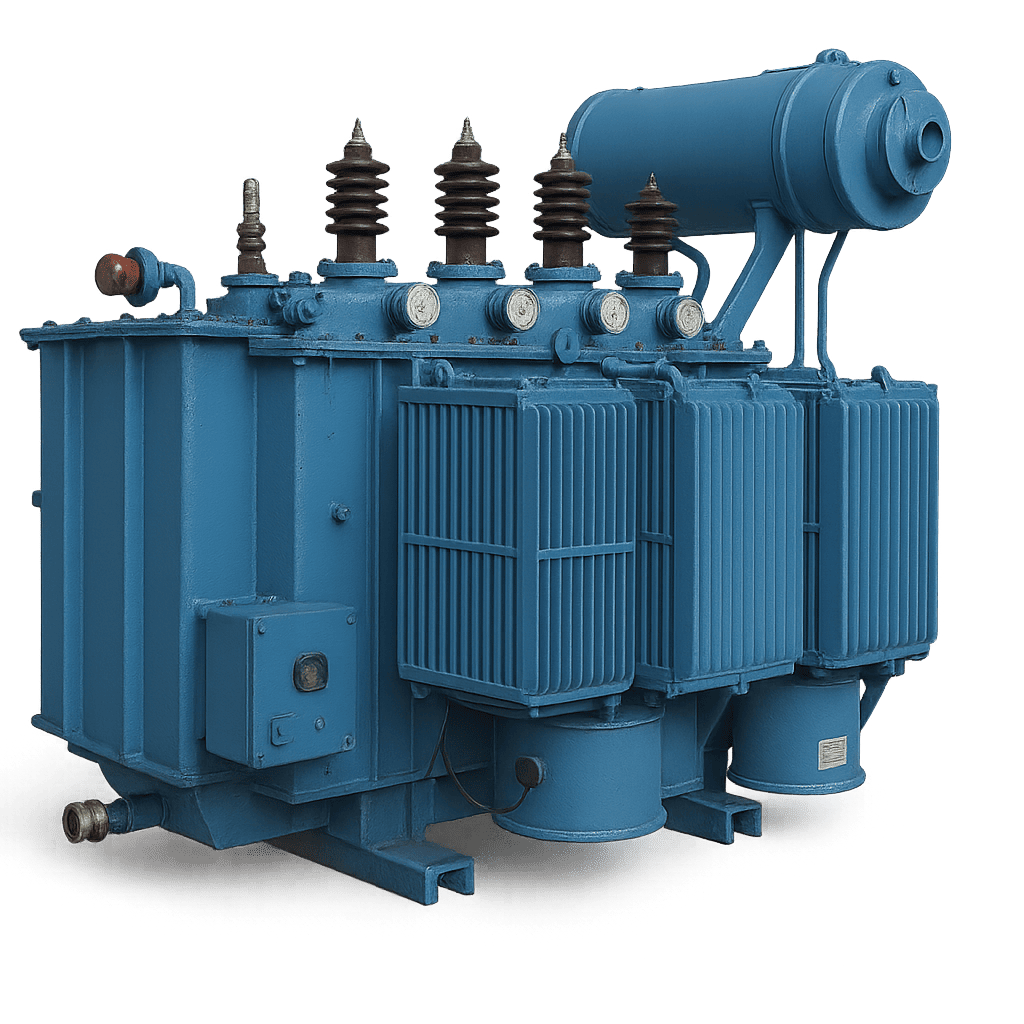
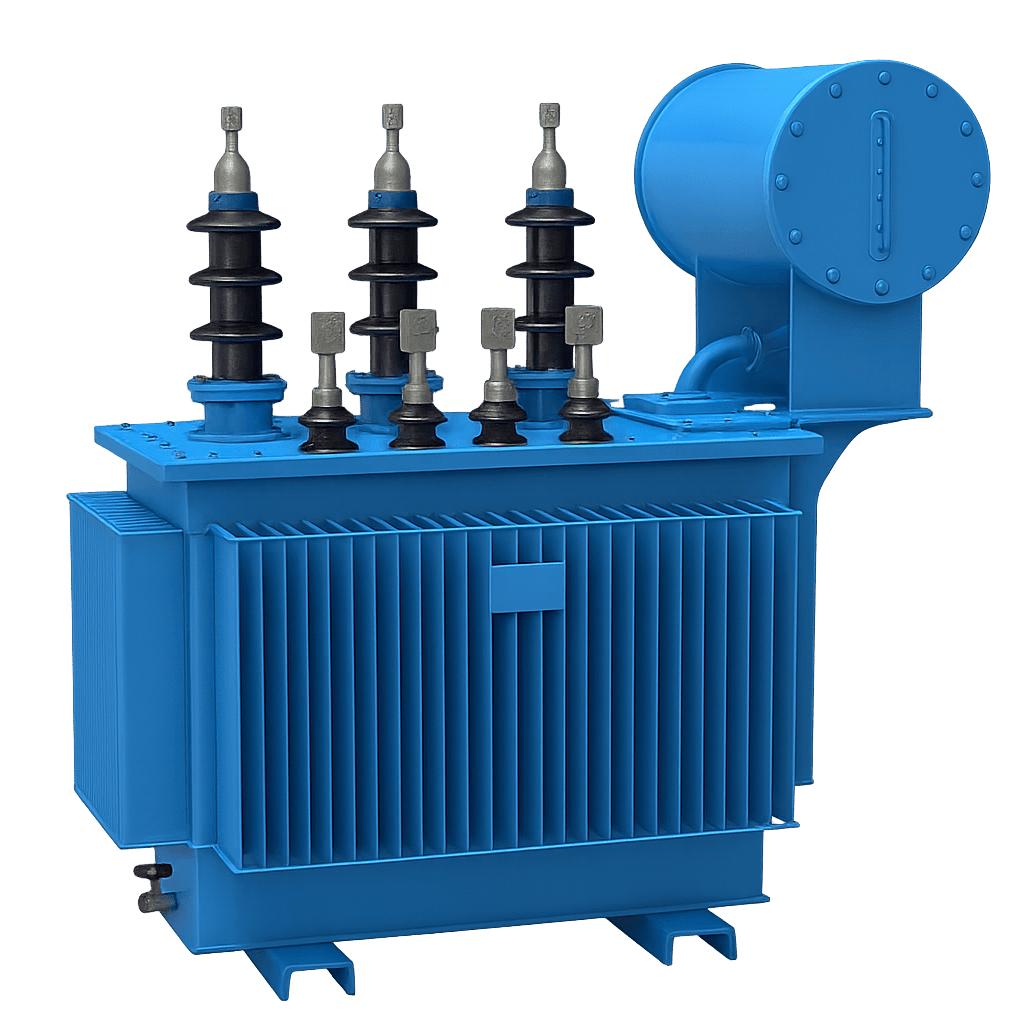
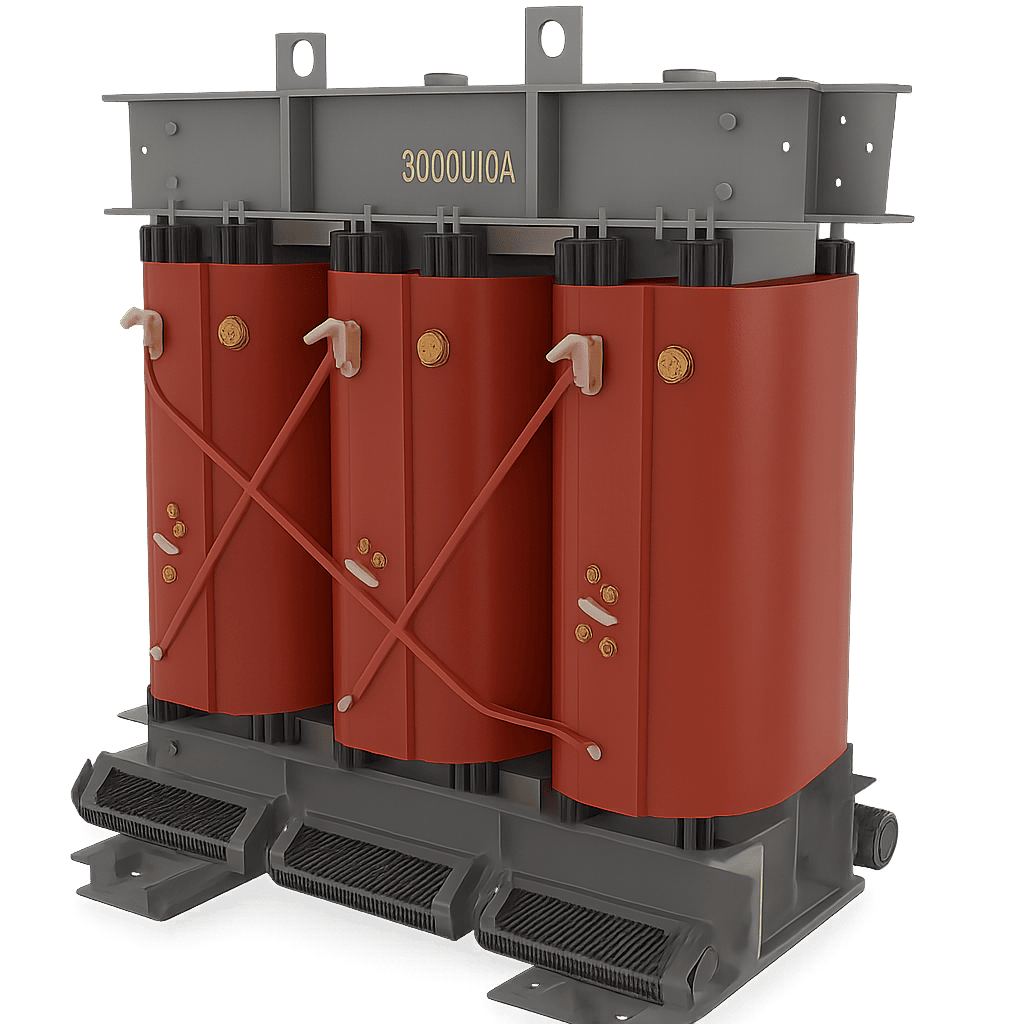
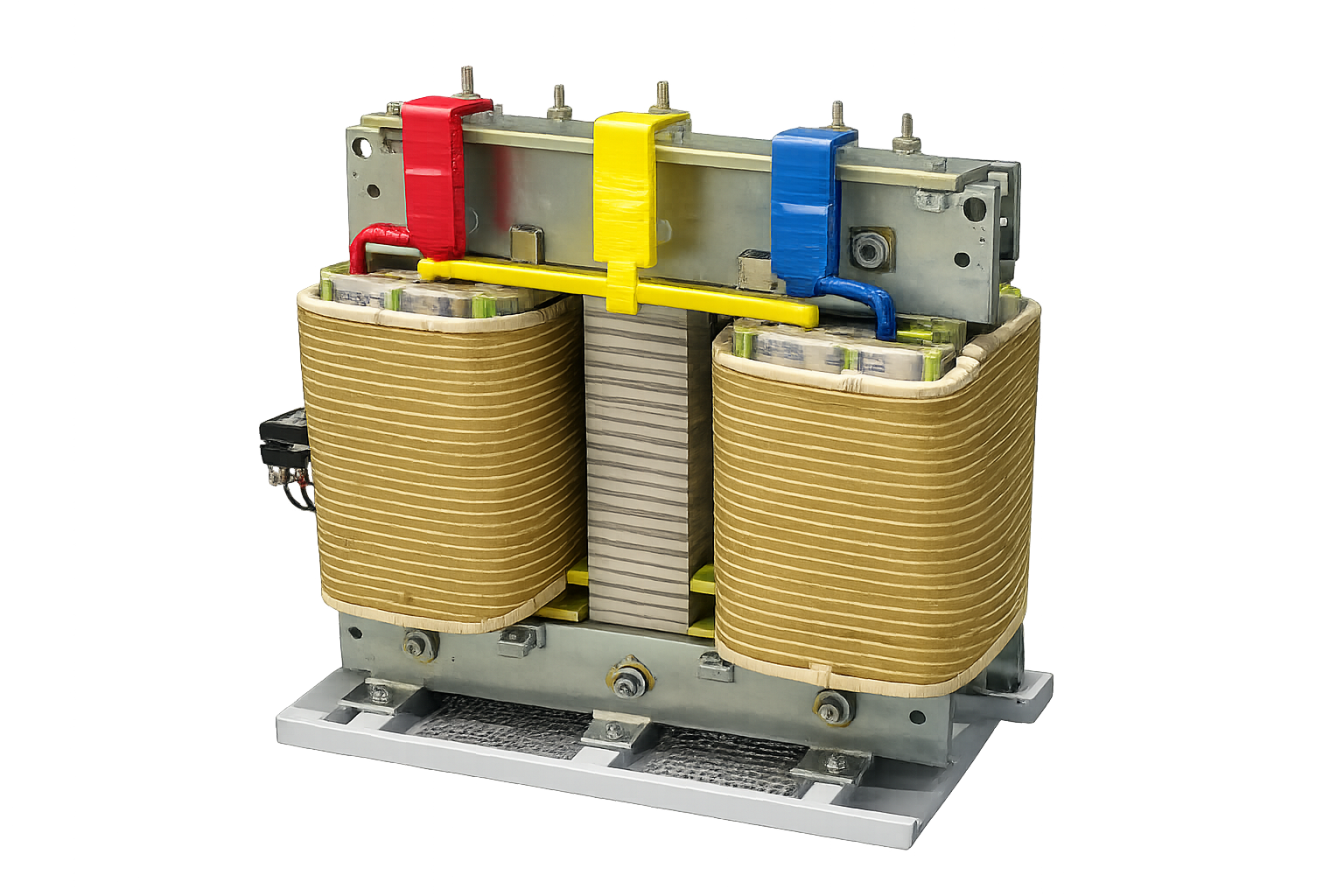
The standard covers both non-sealed and sealed type distribution transformers, mineral oil-immersed, natural ester fluid-filled, and dry-type cast resin units. Key technical parameters evaluated under IS 1180 compliance include:
- Nominal System Voltages: 11kV, 22kV, and 33kV primary distribution classes.
- Energy Efficiency Levels: Level 1 (Standard minimum baseline), Level 2 (High Efficiency), Level 3 (Ultra-High Efficiency / Premium Green Grade).
- Temperature Rise Limits: Maximum 50°C top oil temperature rise and 55°C winding temperature rise above ambient (for liquid-immersed units).
- Short-Circuit Withstand Capability: Mandatory thermal and dynamic short-circuit testing compliance under IEC 60076-5 / IS 2026.
- Insulation Materials: High-density pressboard, thermally upgraded kraft paper, and high-grade electrolytic copper or EC-grade aluminum conductors.