
High-Performance Substation & Rectifier Transformers
Engineered to rigorous IS / IEC 60076 standards. Custom-manufactured for electroplating, metallurgical traction, cathodic protection, and heavy industrial distribution.
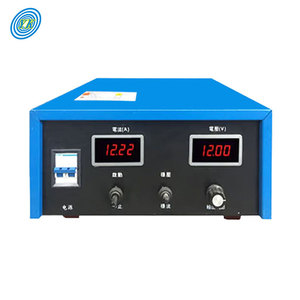
YUCOO Plating Rectifier 220V AC to 12V DC (50A–1000A)
Industrial-grade high-frequency switch mode electroplating rectifier. Delivers precise ripple-free DC voltage regulation for zinc, nickel, gold, and chrome electroplating processes.
- Input Voltage: 220V AC ±15%
- Output Capacity: 12V DC / 50A - 1000A
- Cooling Standard: Forced Air / Water Cooled
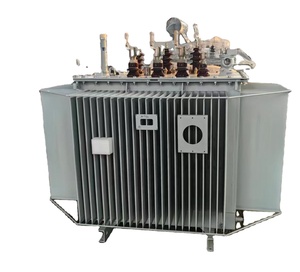
Three-Phase Control Electrical Rectifier Transformer
Heavy-duty 3-phase rectifier transformer designed for heavy industrial automation systems. Provides thermal endurance, minimal harmonic distortion, and robust voltage regulation under continuous load cycles.
- Phase Configuration: 3-Phase Delta / Star
- Efficiency Rating: > 98.5% (IEC Class)
- Winding Material: 99.9% Electrolytic Copper
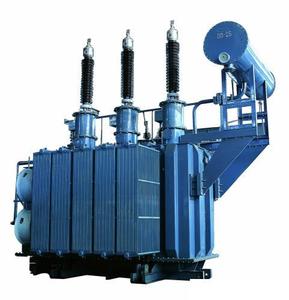
Oil-Immersed 6300kVA Cathodic Protection Rectifier Transformer
Ultra-high capacity oil-immersed transformer built for continuous cathodic protection of oil & gas pipelines, marine structures, and heavy industrial plant infrastructure.
- Rated Capacity: Up to 6300 kVA
- Insulation Type: ONAN / ONAF Mineral Oil
- Corrosion Rating: C5-M Harsh Marine Grade
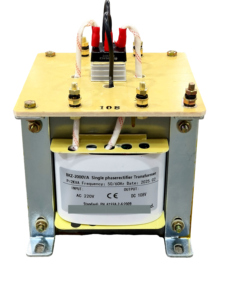
Single-Phase Control Rectifier Transformer (2000VA - 5KVA)
Versatile multi-tap isolated step-down control transformer converting 380V/220V AC input down to steady low-voltage DC outputs (6V to 60V) for auxiliary control circuits and relays.
- Power Range: 2000VA - 5000VA
- Secondary Taps: 6V / 12V / 24V / 48V / 60V
- Standards Compliance: CE, ISO9001, IEC
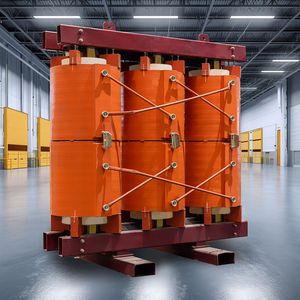
CEEG ZQSC(H)B 2000kVA/10kV Epoxy Cast Traction Dry-Type Transformer
High-voltage epoxy cast resin traction rectifier transformer specifically engineered for urban rail transit, subways, and electric locomotives demanding self-extinguishing fire safety.
- Primary Voltage: 10 kV High Voltage
- Insulation Class: H-Class (180°C)
- Partial Discharge: < 5 pC (Ultra Low)
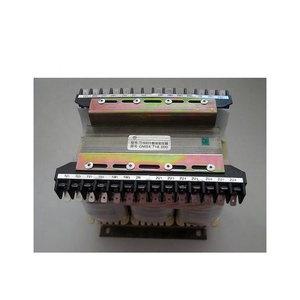
Original T6 Rectifier Transformer TI16933 for HYUNDAI HFC6
Specialized excitation power rectifier transformer engineered for exact drop-in integration with Hyundai HFC6 generator excitation equipment. Guaranteed dynamic transient response.
- Compatibility: Hyundai HFC6 Systems
- Part Number: TI16933 / T6 Series
- Duty Rating: Continuous Heavy Duty
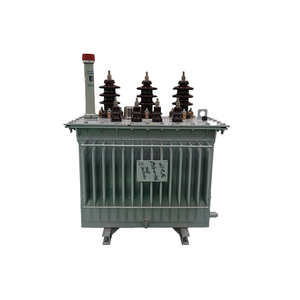
Hermetically Sealed 33kV Power & Voltage Rectifier Transformer
Utility-grade sealed distribution and voltage rectifier transformer (160kVA to 1MW capacity). Features maintenance-free sealed oil tanks protecting dielectric fluid against oxidation.
- Primary Rating: 33 kV / 11 kV Substation
- Capacity Range: 160 kVA - 1000 kVA (1MW)
- Tank Construction: Hermetically Sealed Corrugated
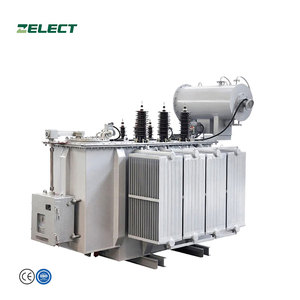
3-Phase Step-Up Heavy Industrial Rectifier Transformer (50kVA–3000kVA)
Scalable 3-phase step-up rectifier transformer optimized for large-scale manufacturing facilities, chemical plants, and heavy renewable energy step-up sub-stations.
- Scalable Power: 50 kVA to 3000 kVA
- Short Circuit: Dynamic Mechanical Rating Class A
- Temperature Rise: < 50/55°C Customized
Why Global Buyers Trust Our Substation Factory
As an ISO-certified industrial transformer manufacturer operating since 2007, we engineer power solutions designed for maximum reliability, extreme environmental resilience, and zero unplanned downtime.
Precision Engineering & Electromagnetic Optimization
Our substation transformers and heavy rectifier units utilize top-grade cold-rolled grain-oriented (CRGO) silicon steel cores imported from top-tier metallurgical mills. Through advanced Finite Element Analysis (FEA) and electromagnetic simulation modeling, we minimize core eddy current losses and hysteretic dissipation, achieving operational energy efficiency levels exceeding 98.8% under peak load conditions.
For rectifier duty applications subject to heavy current harmonics (such as 6-pulse, 12-pulse, or 24-pulse thyristor drives), our winding design incorporates phase-shifted secondary configurations and upgraded thermal margin insulation to neutralize harmonic heating without requiring costly external line reactors.
ISO & International Certification
Our factory operates strictly under ISO 9001:2015 quality management, ISO 14001 environmental safety, and ISO 45001 occupational health guidelines. Products are manufactured in strict compliance with IS 1180 (Part 1), IEC 60076, ANSI C57, and CE directives.
Rigorous Routine & Type Testing
Every unit undergoing production undergoes stringent testing in our NABL-accredited high-voltage test bay: Breakdown Voltage (BDV), Dissolved Gas Analysis (DGA), Partial Discharge (<10pC), Lightning Impulse Withstand, Temperature Rise, and Short-Circuit Mechanical Withstand tests.
Turnkey Refurbishment & Retrofitting
Beyond manufacturing, we offer comprehensive lifecycle engineering: high-vacuum oil filtration, On-Load Tap Changer (OLTC) overhauls, gasket leakage rectification, and custom sub-station retrofitting up to 33kV rating with full site commissioning support.
Future Sourcing & Procurement Trends in Electric Substations
An Executive Analysis for Procurement Directors, EPC Contracting Firms, and Chief Electrical Engineers Navigating Energy Transition Demands.
1. Shift from Initial CAPEX to Full Life-Cycle Total Cost of Ownership (TCO)
Global utility procurement strategies have shifted dramatically away from selecting equipment solely based on initial purchase price (CAPEX). Modern electrical infrastructure tenders mandate comprehensive Total Cost of Ownership (TCO) evaluation formulas that penalize high no-load (core) and load (copper) losses over a 25-to-30-year operational horizon.
Because energy dissipated as heat represents up to 75% of a transformer's true lifetime cost, procurement teams now prioritize ultra-low-loss units compliant with IS 1180 Energy Efficiency Level 3 and EU EcoDesign Directive Tier 2 standards. High-grade CRGO steel laminations and optimized coil geometry yield payback periods under 36 months via reduced operational expenditure (OPEX).
2. Integration of Digital Twins, IoT Monitoring, & Smart Substation Sensors
The modern electric grid demands proactive asset performance monitoring rather than reactive maintenance. Future-ready substation procurement specifications increasingly mandate integrated intelligent electronic devices (IEDs) and IoT sensor arrays directly on the transformer tank.
Key digital diagnostic inclusions requested in modern factory bids include:
- Online DGA Sensors: Continuous multi-gas hydrogen, carbon monoxide, and acetylene monitoring to detect early dielectric oil breakdown.
- Fiber-Optic Hotspot Temperature Sensors: Embedded directly inside high-voltage windings for real-time thermal modeling during overload events.
- Smart OLTC Controllers: Automated tap changing synchronized with smart grid SCADA protocols via IEC 61850 architecture.
Energy Efficiency Standard Benchmarking (IS 1180 Part 1 / IEC Standards)
| Rating (kVA) | Voltage Class | Max 50% Load Loss (Level 1) | Max 100% Load Loss (Level 1) | Max 50% Load Loss (Level 3 - High Efficiency) | Max 100% Load Loss (Level 3 - High Efficiency) |
|---|---|---|---|---|---|
| 250 kVA | 11kV / 33kV Class | 1050 W | 3150 W | 920 W (-12.3%) | 2700 W (-14.2%) |
| 500 kVA | 11kV / 33kV Class | 1600 W | 4750 W | 1430 W (-10.6%) | 4100 W (-13.6%) |
| 1000 kVA | 11kV / 33kV Class | 3000 W | 9000 W | 2620 W (-12.6%) | 7000 W (-22.2%) |
| 2000 kVA | 11kV / 33kV Class | 5400 W | 17000 W | 4790 W (-11.2%) | 14100 W (-17.0%) |
| 2500 kVA | 11kV / 33kV Class | 6500 W | 20000 W | 5900 W (-9.2%) | 17500 W (-12.5%) |
Key Technological Trends Shaping Substation Infrastructure
Discover how green insulation fluids, solid-state power electronics, compact modular substations, and harmonic-mitigating transformers are transforming industrial grid architecture.
Biodegradable Ester Insulation Dielectrics
Traditional mineral transformer oil is rapidly being replaced by natural and synthetic ester fluids. Ester-filled transformers offer a significantly higher flash point (>300°C vs 140°C for mineral oil), eliminating fire explosion hazards in dense urban zones while offering 100% non-toxic biodegradation in protected water catchments.
Factory-Assembled Compact Substations (CSS)
Driven by skyrocketing civil construction costs and tight project timelines, turnkey Compact Substation Units (CSS) integrate high-voltage switchgear, dry-type or oil distribution transformers, and low-voltage distribution panels into a single factory-tested enclosure, reducing civil footprint by up to 60%.
Harmonic-Tolerant Rectifier Designs
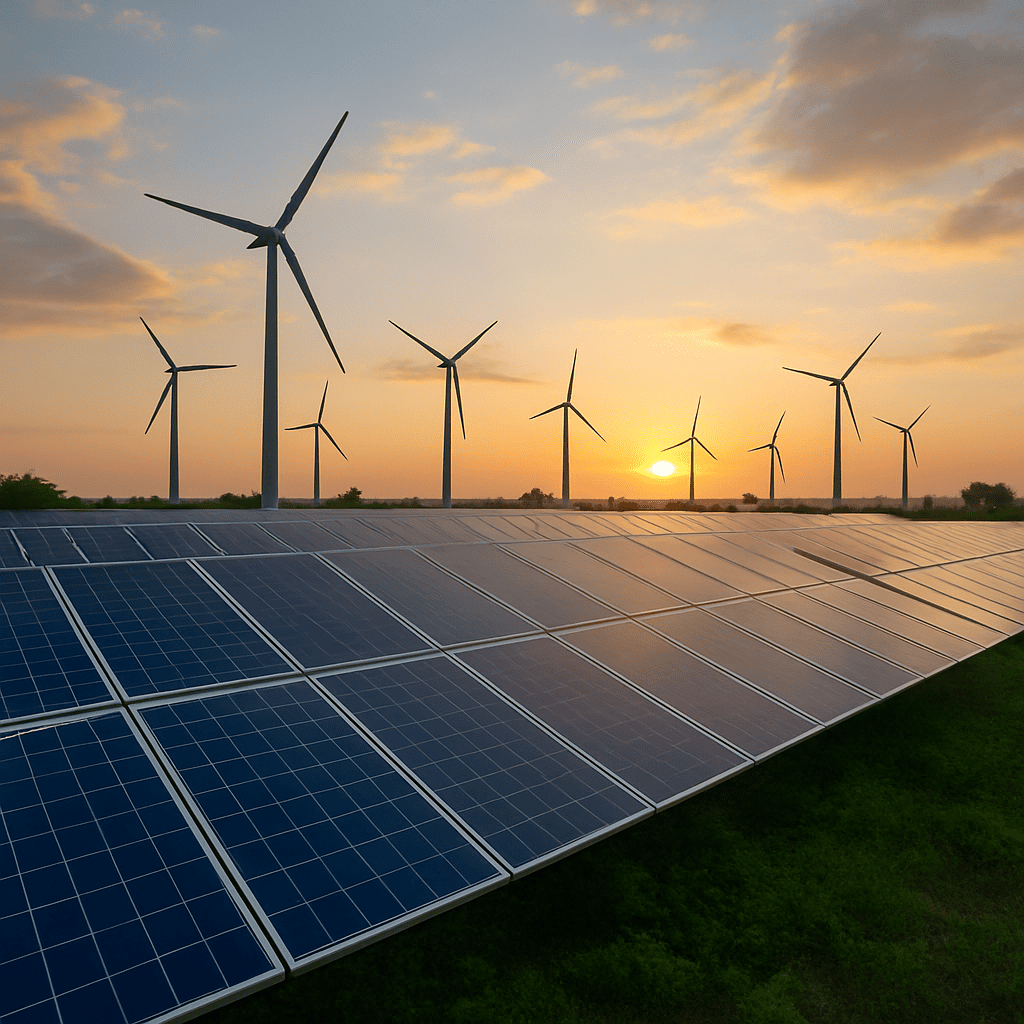
With the expansion of renewable solar/wind generation and heavy industrial DC electrolyzers for green hydrogen, rectifier transformers feature K-Factor ratings (K-13, K-20) and electrostatic shielding between windings to divert non-linear high-frequency harmonics safely to earth ground.
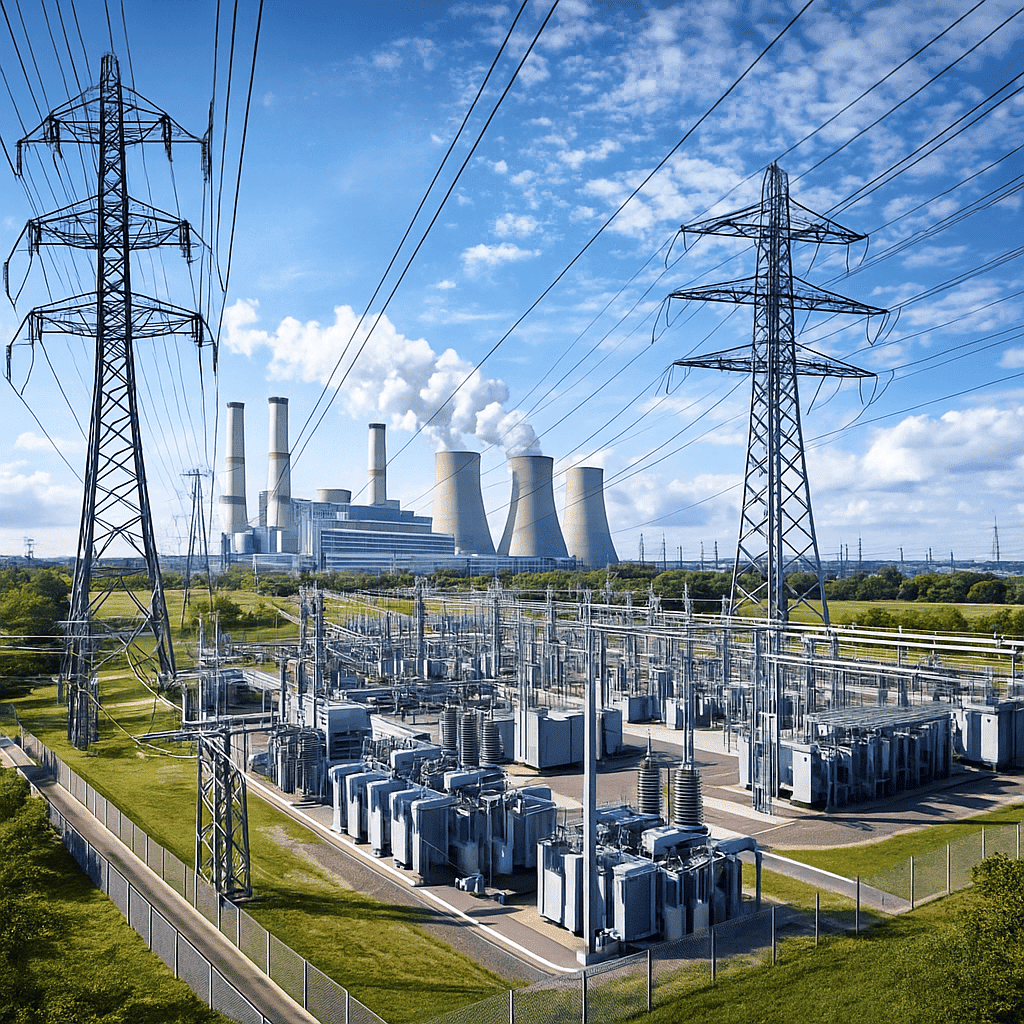
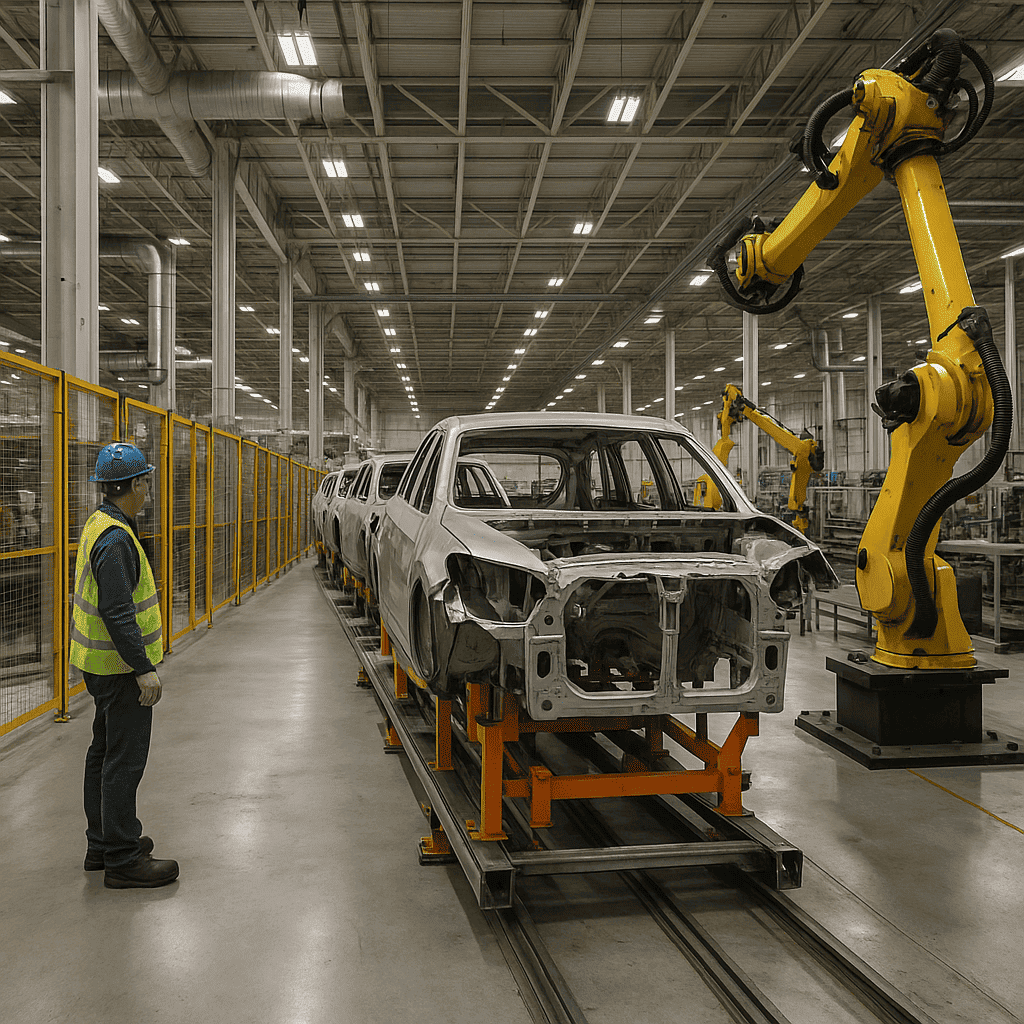
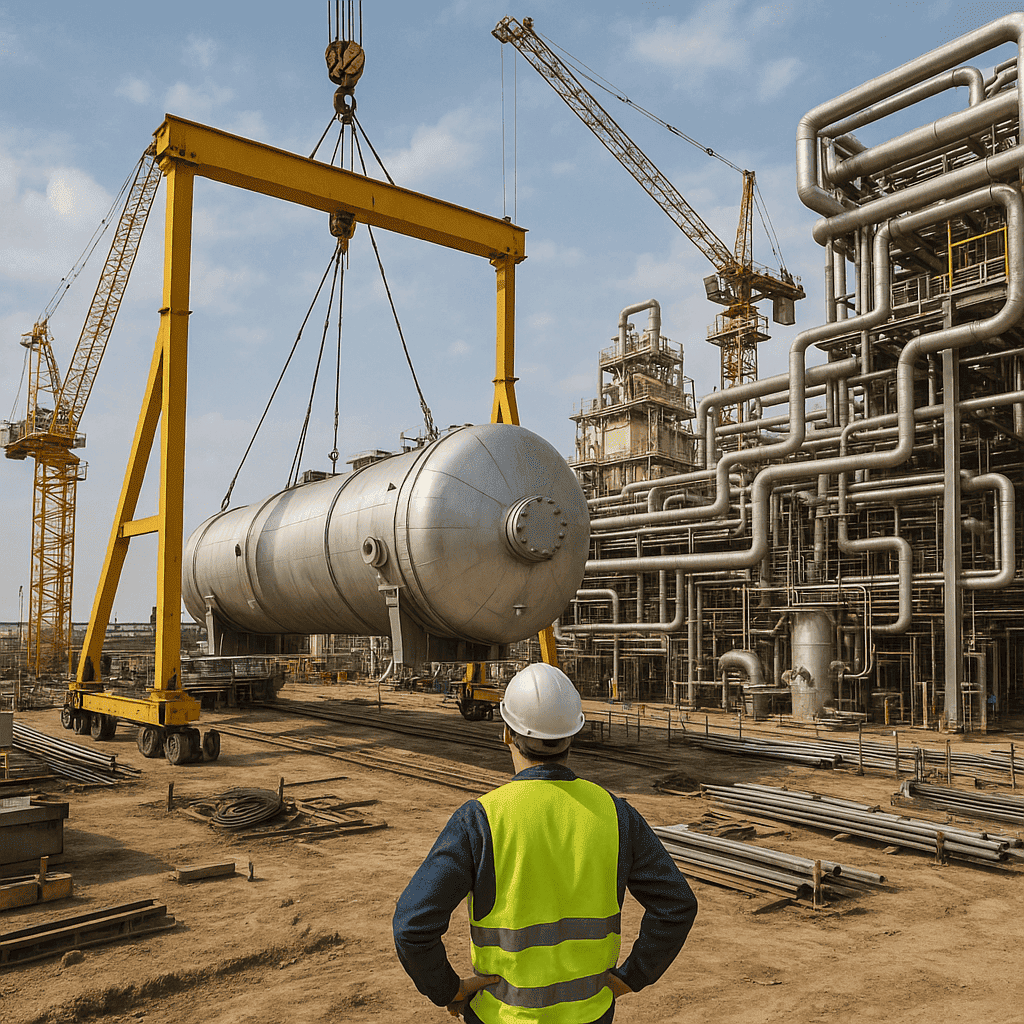
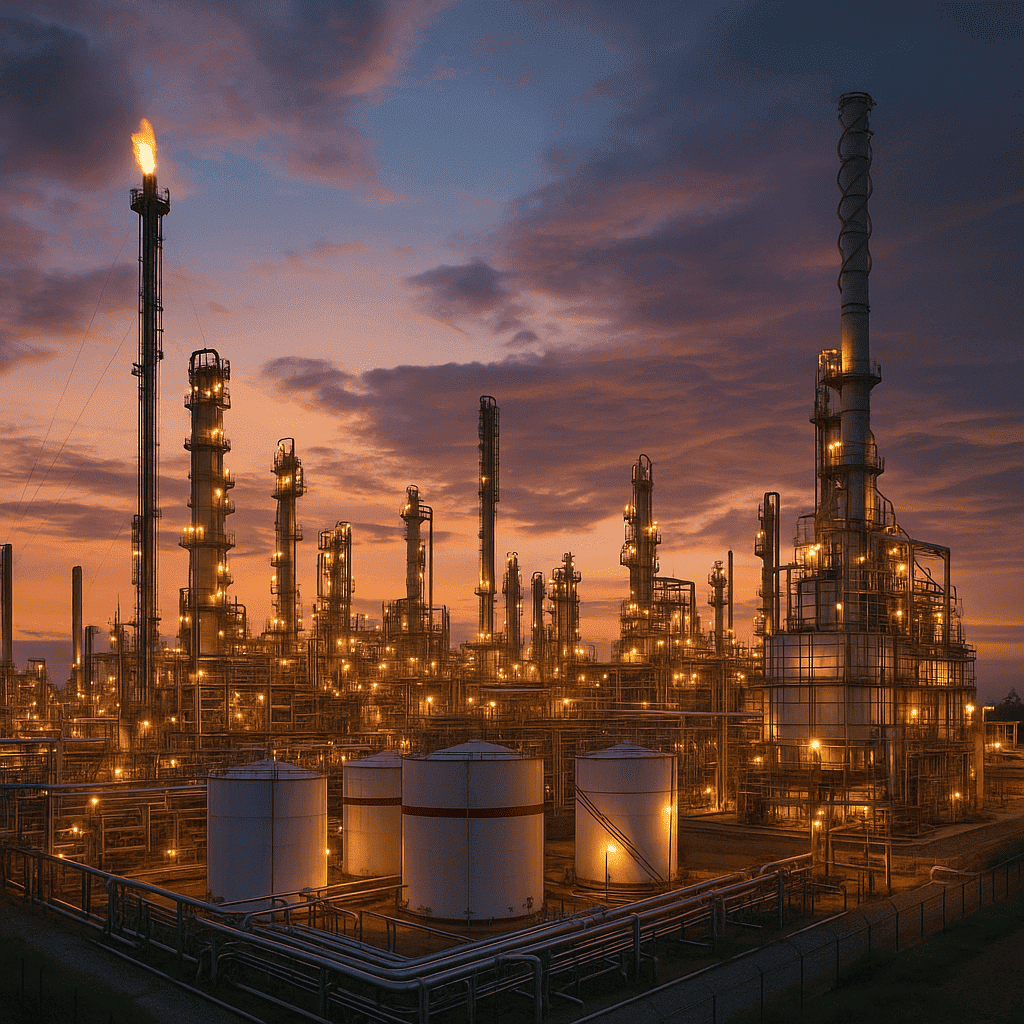
Industries Powered by Our Substation Infrastructure
Our robust transformers and custom rectifier power systems are deployed worldwide in critical industrial sectors.



Frequently Asked Questions (Procurement FAQ)
Essential insights for project managers, electrical consultants, and procurement executives evaluating industrial substations and rectifier equipment.
Q1: What is the key technical difference between a standard distribution transformer and a rectifier transformer?
While standard distribution transformers step down AC voltage for linear AC loads, a rectifier transformer is specifically designed to feed solid-state rectifiers (thyristors, diodes, or IGBTs) converting AC to high-current DC power. Rectifier transformers feature reinforced mechanical clamping to withstand intense electromagnetic forces generated by heavy DC current surges, electrostatic shielding between primary and secondary windings, phase-shifted multi-secondary coils (e.g., 6-pulse, 12-pulse, 24-pulse) to cancel out harmonic current feedback, and enlarged copper conductor cross-sections to mitigate eddy current heating caused by non-linear loads.
Q2: How do I select between Dry-Type (Cast Resin) and Oil-Immersed Substation Transformers?
The decision depends primarily on installation location, environmental conditions, and fire safety regulations:
• Dry-Type Cast Resin (CRT / VPI): Ideal for indoor substations, high-rise buildings, underground subways, and hospitals where oil leakage or fire hazard is strictly prohibited. They require minimal maintenance and are self-extinguishing (Class F1 fire rating).
• Oil-Immersed Transformers (ONAN / ONAF): Preferred for outdoor switchyards, high-voltage utility grids (up to 33kV and 10MVA+), and heavily polluted industrial sites. Mineral oil or synthetic ester provides superior cooling efficiency, longer insulation longevity under heavy overload cycles, and lower upfront unit cost.
Q3: What compliance standards do your substation transformers meet for international export?
Our manufacturing center engineers all transformers strictly according to international standards specified by the client. Standard compliance frameworks include IEC 60076 (Power Transformers), IS 1180 Part 1 2014 (Energy Efficiency Levels 1, 2, and 3), ANSI/IEEE C57, CE Directives, and regional utility board specifications across Africa, the Middle East, Southeast Asia, and Europe. Third-party testing certification (KEMA, ERDA, CPRI) can be arranged prior to delivery.
Q4: How does harmonic mitigation work in multi-pulse electroplating and cathodic protection rectifiers?
In heavy rectifier installations (electroplating, zinc electrowinning, subsea cathodic protection), non-linear switching introduces low-order harmonics (5th, 7th, 11th, 13th) back into the high-voltage supply grid. By utilizing phase-shifted secondary windings—such as Delta-Star (+30° shift) combined in parallel—we construct 12-pulse or 24-pulse systems that eliminate 5th and 7th harmonics at the source via phase cancellation, keeping Total Harmonic Distortion (THD) within IEEE 519 allowable limits.
Q5: What routine quality control tests are conducted prior to factory release (Factory Acceptance Test - FAT)?
Every manufactured unit must pass a rigorous Factory Acceptance Test (FAT) protocol overseen by our quality assurance engineers (and optional client inspectors). Tests include: Voltage Ratio & Vector Group Verification, Winding Resistance Measurement, Insulation Resistance (IR) & Polarization Index, Dielectric Oil Breakdown Voltage (BDV > 60kV), No-Load Core Loss & Current Measurement, Full-Load Impedance & Copper Loss Verification, Applied Voltage & Induced Overvoltage Withstand, and Partial Discharge Testing for Dry-Type units (<5pC).
Q6: What is the typical manufacturing lead time for custom substations and high-current rectifier transformers?
Standard distribution transformers (up to 1000kVA) typically ship within 3 to 4 weeks. Custom-engineered high-current rectifier transformers, 33kV unit substations, or large power transformers (up to 10 MVA) require approximately 6 to 8 weeks, including complete electromagnetic CAD engineering, raw material sourcing (electrolytic copper, CRGO steel), core-coil assembly, vacuum pressure drying, oil filling under vacuum, and full FAT bay validation. Express manufacturing schedules are available for emergency grid replacement projects.