
High-Performance Solar & Rectifier Transformer Solutions
Explore our ISO 9001-certified range of specialized step-up transformers, cast resin dry-type units, and multi-winding rectifier transformers engineered for peak grid integration and heavy-duty industrial processing.
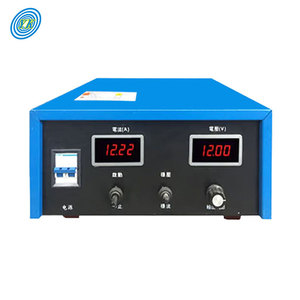
YUCOO Plating Rectifier 220v Ac to 12v Dc 50a 500a 1000 Amp Electroplating Rectifier
Engineered for extreme current stability in electroplating and electrolytic application. Features precision voltage regulation, low ripple factor, and robust thermal protection.
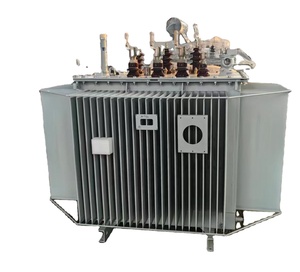
Factory Direct Sales Three Phase Control Electrical Rectifier Transformer
Designed for heavy industrial automation and power conditioning. Provides exceptional short-circuit withstand capabilities and high electromagnetic efficiency under variable loads.
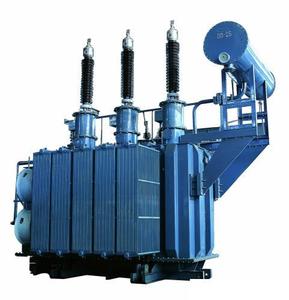
Oil Immersed High Current 6300kva Transformer Three Phase Cathodic protection Rectifier Transformer
High-capacity utility-grade transformer customized for cathodic protection and high-current industrial electrolysis. Built with premium mineral oil insulation for long service life.
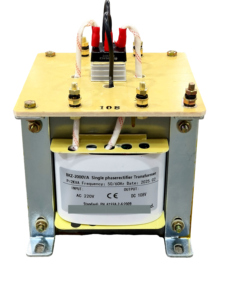
380V/220V to 60V 48V 24V 12V 6V AC to DC Transformers 2000VA 5KVA Single-phase Control Rectifier Transformer
Multi-tap versatile control transformer tailored for precise voltage step-down operations in commercial solar control panels and low-voltage industrial DC power supplies.
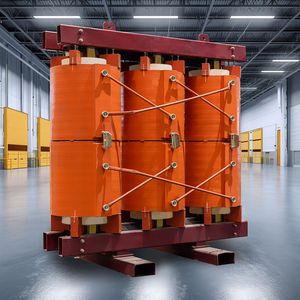
CEEG ZQSC(H)B SERIES 2000kVA/10kv EPOXY CAST TRACTION RECTIFIER DRY-TYPE Air-Insulated Rectifier Transformer
Flame-retardant epoxy cast dry-type transformer designed for subway traction and indoor PV substations. Complies with strict environmental F1 and fire safety C2 classifications.
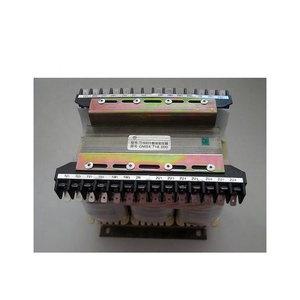
ORIGINAL T6 Electric Power Rectifier Transformer TI16933 For HUNYDAI HFC6 Excitation system
Specialized excitation transformer engineered for high dynamic stability and immediate transient response in generator excitation systems and utility power stations.
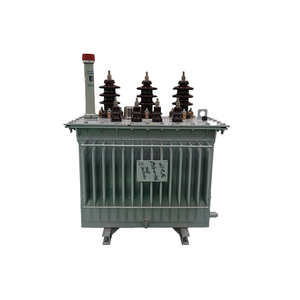
Control 33kv 300kva 1 Mw Voltage Transformer 220v to 110v 400kva High Quality 160kva Sealed Rectifier Transformer
Hermetically sealed 33kV distribution and step-down transformer optimized for outdoor solar farms. Prevents oil oxidation and moisture ingress under harsh climatic extremes.
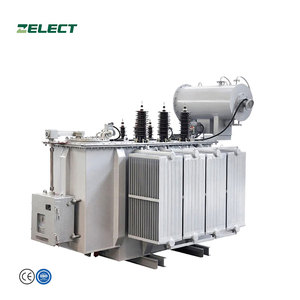
50KVA 100KVA 200KVA 250KVA 300KVA 400KVA 800KVA 1000KVA 3000KVA Transformador 3 Phase Step up Rectifier Transformer
High-efficiency 3-phase step-up transformer designed for solar inverter outputs up to 3000 kVA. Features low no-load losses and enhanced insulation for solar grid compliance.
Executive Summary: The Pivotal Role of Solar Inverter-Duty Transformers
As global energy transitions accelerate toward carbon neutrality, utility-scale solar photovoltaic (PV) generation has shifted from peripheral supplemental power to primary grid infrastructure. Unlike traditional fossil-fuel or hydroelectric power transformers operating under smooth sinusoidal 50/60 Hz conditions, solar transformers face unique, grueling operational environments characterized by high Total Harmonic Distortion (THD), severe daily thermal cycling, solar inverter pulsed DC bias, and dynamic reactive power demands.
Selecting an authorized, high-reliability solar transformer manufacturer is no longer merely a procurement transaction—it is a strategic decision that directly influences the Levelized Cost of Energy (LCOE), overall system efficiency, and plant operational longevity over a 25-to-30-year lifecycle. Leading global EPC contractors and solar project developers require custom-engineered Inverter Duty Transformers (IDTs) capable of handling multiple inverter inputs while maintaining strict energy loss standards such as IS 1180 (Part 1) Level 3 and IEC 60076 standards.
Critical Technical Parameters for Solar & Rectifier Transformer Sourcing
Solar power generation plants utilize central or string inverters to convert direct current (DC) harvested by solar arrays into alternating current (AC). Step-up transformers subsequently escalate this voltage to medium-voltage transmission levels (typically 11kV, 22kV, or 33kV). To ensure seamless grid interconnection without catastrophic dielectric breakdown or premature thermal degradation, engineers must evaluate several key design factors:
Harmonic Mitigation & K-Factor Rating
High-frequency pulse-width modulation (PWM) inverters inject high-order harmonics (5th, 7th, 11th, 13th, etc.) into transformer windings. Solar transformers must be rated with a minimum K-factor of K-4 to K-13. This design incorporates specialized foil windings, double-insulating paper, and eddy-current reduction techniques to counteract localized hot-spot heating.
Electrostatic Shielding Integration
An grounded copper electrostatic shield must be placed between the Low Voltage (LV) and High Voltage (HV) windings. This shield attenuates high-frequency voltage transients, common-mode noise, and DC bias generated by solar inverters, protecting sensitive grid equipment from high-frequency electromagnetic interference (EMI).
Multi-Winding LV Configuration
Modern central inverter stations often feature multi-inverter configurations (2, 3, or 4 inverters tied to a single step-up transformer). Custom solar transformers are built with dual-LV, triple-LV, or quad-LV windings, decoupled magnetically to minimize cross-talk and phase imbalance between individual inverter channels.
Thermal Loading & Daily Cycling
Solar plants ramp rapidly from zero load at dawn to peak loading during solar noon, cooling rapidly at dusk. This repetitive daily thermal cycling induces severe mechanical stresses on coil structures and gaskets. Solar transformers utilize high-grade mineral or synthetic ester oils with Class A/F thermal insulation systems to prevent premature aging.
DC Bias Current Tolerances
Control asymmetry in solar inverters can introduce a small component of DC current into the AC output. Unchecked DC bias leads to core saturation, elevated magnetizing noise, and increased core losses. Expert engineering includes core gap optimization and flux density control to handle DC components safely.
Environmental Protection & Corrosion Resistance
Solar plants are frequently constructed in harsh environments—such as high-UV desert regions or coastal marine saline air. Transformer enclosures must be rated to IP55/IP65 with C4-H or C5-M marine-grade polyurethane anti-corrosion paint coatings to ensure a 30-year operational life.
IS 1180 (Part 1) & International Standards Loss Comparison Matrix
Maximum permissible losses for 11kV Class Distribution & Solar Step-Up Transformers across different energy efficiency levels.
| Rating (kVA) | Impedance (%) | Level 1: 50% Load (W) | Level 1: 100% Load (W) | Level 2: 50% Load (W) | Level 2: 100% Load (W) | Level 3: 50% Load (W) | Level 3: 100% Load (W) |
|---|---|---|---|---|---|---|---|
| 250 kVA | 4.50% | 1050 | 3150 | 980 | 2930 | 920 | 2700 |
| 500 kVA | 4.50% | 1600 | 4750 | 1510 | 4300 | 1430 | 4100 |
| 1000 kVA | 5.00% | 3000 | 9000 | 2790 | 7700 | 2620 | 7000 |
| 1600 kVA | 6.25% | 4500 | 13500 | 4200 | 11800 | 3970 | 11300 |
| 2500 kVA | 6.25% | 6500 | 20000 | 6150 | 18500 | 5900 | 17500 |
Key Technological Trends Driving Solar Transformer Procurement (2025–2030)
The solar energy market is undergoing rapid evolution, influenced by higher DC voltage architectures, battery energy storage system (BESS) integration, and strict carbon footprint mandates. Sourcing managers and EPC procurement heads should align their equipment specifications with the following trends:
1. Transition to 1500V DC System Architectures
To minimize cable resistance losses and boost solar farm efficiency, utility projects have standardized on 1500V DC operating voltages. Consequently, step-up transformers must be engineered to handle elevated LV AC input voltages (e.g., 600V, 630V, 800V AC), requiring higher insulation breakdown margins and advanced winding layout topologies.
2. Integration of Biodegradable Synthetic Ester Fluids
Environmental sustainability mandates are driving a rapid shift from traditional mineral oil to natural or synthetic ester fluids. Ester liquids feature high fire points (>300°C), eliminating fire hazards in dense PV arrays, while offering 100% biodegradability in the event of ground leakage, protecting soil and groundwater aquifers.
3. Smart Condition Monitoring & IoT Sensors
Unplanned transformer downtime can cripple solar generation revenues. Modern procurement contracts mandate real-time condition monitoring systems including dissolved gas analysis (DGA) sensors, optical fiber winding temperature probes, online moisture monitoring, and remote tap-changer diagnostic modules integrated directly into SCADA networks.
4. Pre-Packaged Compact Skid Substations (CSS)
Speed of deployment is vital for solar EPC profitability. Sourcing trends favor factory-assembled Skid Substations that integrate the inverter-duty transformer, medium-voltage ring main unit (RMU), low-voltage switchgear, and auxiliary power units onto a single transportable steel frame for rapid plug-and-play field installation.
Why Partner With Our Certified Manufacturing Plant?
Delivering turnkey transformer solutions, rigid ISO quality control, and full lifecycle engineering support.
State-of-the-Art Production Facility
Equipped with automated CNC coil winding machines, vacuum pressure impregnation (VPI) plants, laser steel cutting, and automated oil purification stations. Our manufacturing precision guarantees low stray losses, low noise emissions, and exceptional mechanical strength under short-circuit conditions.
Rigorous ISO & IEC Quality Assurance
Every unit undergoes full routine testing prior to dispatch, including insulation resistance (IR), winding resistance, voltage ratio, vector group verification, dielectric withstand, and loss measurement. Type tests such as temperature rise tests and lightning impulse tests are conducted per IEC 60076 and IS 2026 standards.
End-to-End Lifecycle Service & AMC
Beyond initial manufacturing, we provide complete engineering support including site installation, commissioning supervision, oil filtration, OLTC maintenance, retrofitting, emergency spare parts supply, and structured Annual Maintenance Contracts (AMC) to safeguard asset health.
Frequently Asked Questions by Solar Procurement Engineers
Request a Custom Solar & Rectifier Transformer Quotation
Partner with an ISO-certified leader in power engineering. Contact our technical engineering team today to review your single-line diagrams (SLD), custom voltage ratios, and project specifications.