How do phase-shifting secondary windings reduce harmonic distortion in heavy industrial rectifiers?
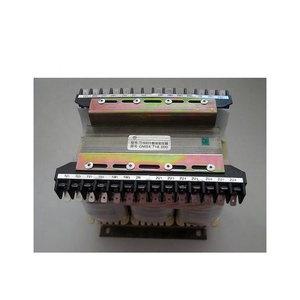
Phase-shifting transformers introduce calculated mechanical angular displacements (such as +15° and -15°) between multiple secondary winding groups (e.g., delta and star connections). When supplying dual 6-pulse bridge rectifiers, the 5th and 7th harmonic currents produced by each bridge are 180° out of phase relative to each other. Consequently, these harmonic currents cancel out on the primary AC side, creating a clean 12-pulse current waveform that significantly reduces Total Harmonic Distortion (THD) without requiring heavy external passive harmonic filters.
What are the main selection criteria between oil-immersed and cast resin dry-type transformers for indoor industrial plants?
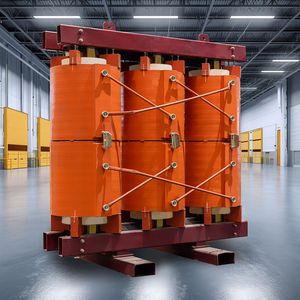
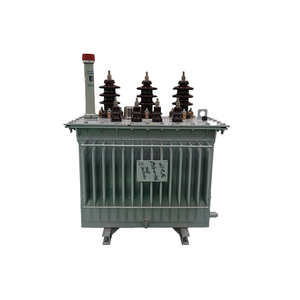
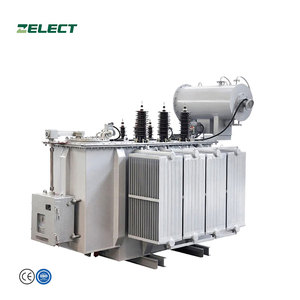
Selection depends primarily on environmental safety, maintenance tolerance, and physical installation space. Cast Resin Dry-Type Transformers are non-flammable, moisture-proof, and virtually maintenance-free, making them the preferred choice for indoor industrial plants, high-rise buildings, hospitals, and underground metro networks where oil leakage or fire risks are unacceptable. Conversely, Oil-Immersed Transformers provide superior thermal dissipation, higher MVA ratings, and lower initial capital cost, making them ideal for outdoor substations, high-voltage utility grids (33kV and above), and harsh atmospheric environments where hermetic sealing protects internal components.
Why is K-factor rating critical when specifying transformers for non-linear rectifier loads?
Non-linear loads such as rectifiers, variable frequency drives (VFDs), and electric arc furnaces generate non-sinusoidal harmonic currents. These high-frequency harmonic currents cause severe stray load losses, skin-effect heating in copper conductors, and dangerous neutral line overheating. A K-factor rated transformer is engineered with double-neutral conductors, specialized electrostatic copper shielding between windings, and optimized core laminations to safely handle eddy-current losses and thermal stress generated by specific harmonic profiles (e.g., K-4, K-13, K-20) without derating the nominal capacity.
What routine factory acceptance tests (FAT) should global buyers insist upon before export delivery?
Global buyers should ensure their manufacturer conducts full Factory Acceptance Testing in compliance with IEC 60076 or IEEE C57 standards. Essential tests include: (1) Winding resistance measurement, (2) Voltage ratio and vector group verification, (3) Measurement of no-load losses and excitation current, (4) Measurement of short-circuit impedance and load loss, (5) Dielectric routine tests including applied AC withstand voltage and separate-source voltage testing, (6) Insulation Resistance (IR) and Polarization Index (PI) testing, and (7) Dissolved Gas Analysis (DGA) on oil-filled units post thermal run tests.
How does an On-Load Tap Changer (OLTC) maintain stable DC output voltage under shifting grid loads?
An On-Load Tap Changer (OLTC) automatically adjusts the primary winding turn ratio while the transformer remains energized under full load. In high-current rectifier systems, incoming AC transmission voltages frequently fluctuate due to grid demand swings. The OLTC communicates with automatic voltage regulators (AVR) to step tap positions up or down seamlessly, ensuring that the secondary AC voltage fed into the thyristor or diode bridge rectifiers remains within tightly controlled tolerances, thereby stabilizing the output DC process current.
What maintenance protocols ensure a 30+ year service life for high voltage step-up/step-down transformers?
Achieving maximum transformer longevity requires a structured preventive maintenance program: (1) Annual oil sample testing for moisture content, breakdown voltage (BDV), acidity, and Dissolved Gas Analysis (DGA) to catch internal insulation degradation early, (2) Regular thermographic infrared scanning of external bushings, tap-changer contacts, and terminal connections to identify hot-spots, (3) Periodic checking and replacement of silica gel breathers, (4) OLTC diverter switch servicing after specified switching cycles, and (5) Insulation resistance and Tan Delta dissipation factor checks during scheduled plant turnarounds.