Engineered by Sahara Transformers — ISO 9001 certified OEM custom component manufacturing for heavy metallurgy, electroplating, traction, and high-voltage grid substations.
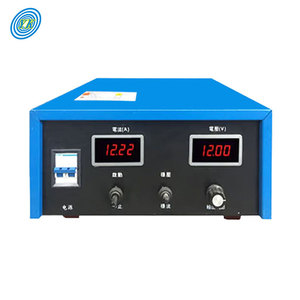
YUCOO Plating Rectifier 220V AC to 12V DC 50A-1000A Electroplating Power Component
Heavy-duty switched-mode and thyristor plating rectifier system engineered for extreme continuous current stability, low ripple conversion, and corrosive metal-finishing environments.
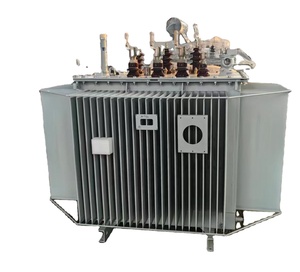
Factory Direct 3-Phase Control Electrical Rectifier Transformer Unit
Custom-wound 3-phase phase-shifting control transformer providing step-down voltage isolation and high phase symmetry for industrial motor drives and power conversion lines.
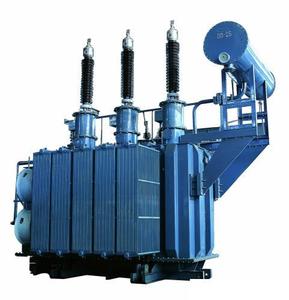
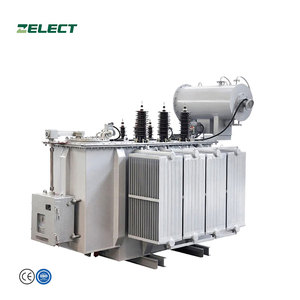
6300kVA Oil-Immersed High Current Cathodic Protection Rectifier Transformer
Heavy industrial oil-immersed 3-phase unit engineered for cathodic protection, electrochemical refining, and long-term subsea/pipeline corrosion control systems.
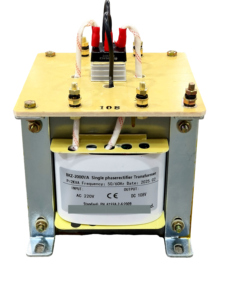
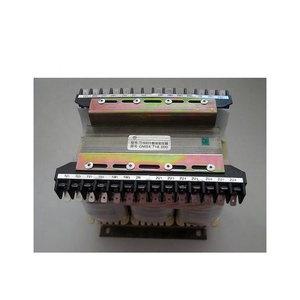
380V/220V to Multi-Tap DC Isolation Rectifier Transformer 2000VA-5KVA
Flexible multi-tap single-phase control transformer delivering reliable low-voltage output (6V to 60V DC) for automation panels, control circuits, and auxiliary DC units.
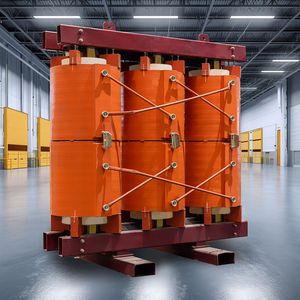
Flame-retardant, self-extinguishing Class H insulated cast resin traction transformer designed for metropolitan transit lines, electric railways, and severe harmonic environments.
Original T6 Electric Power Rectifier Transformer (TI16933) for Excitation
OEM direct-fit excitation power transformer designed for Hyundai HFC6 synchronous generator systems, providing stable field excitation under extreme peak loads.
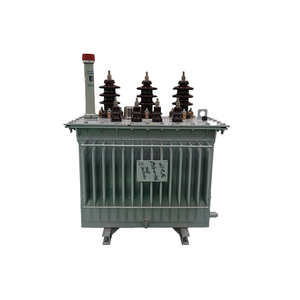
33kV High Voltage Substation Control & Sealed Rectifier Transformer
Hermetically sealed high-voltage auxiliary step-down transformer (33kV to 110V/220V) built for utility substations, renewable collection grids, and harsh outdoor switchyards.
50kVA to 3000kVA Industrial 3-Phase Step-Up Rectifier Transformer Array
Modular industrial step-up transformer range engineered for high power conversion efficiency, custom K-factor harmonic rating, and seamless renewable inverter integration.
In modern electrical distribution networks, heavy metallurgical processing plants, renewable energy generation hubs, and electro-chemical industries, the performance of magnetic power transformers depends directly on the quality of their sub-components. A custom OEM transformer components factory serves as the technical backbone for global OEMs and EPC (Engineering, Procurement, and Construction) contractors who require non-standard voltage ratios, high harmonic tolerance (K-factor ratings), specialized copper coil geometries, and custom thermal management enclosures.
Unlike standard commercial distribution units, OEM transformer components—such as specialized step-up rectifier cores, excitation power modules, epoxy cast resin windings, and oil-immersed tank structures—must endure dynamic current surges, high total harmonic distortion (THD), and severe environmental stress. Sourcing directly from an established manufacturing plant guarantees tight mechanical tolerances, verified dielectric strength, and full compliance with international standards such as IEEE C57, IEC 60076, and IS 1180.
Technical Loss Specification Matrix (IS 1180 Part 1 / IEC 60076 Standard)
The table below highlights the standardized maximum total loss parameters across various rating steps for energy-efficient industrial distribution and rectifier transformers (Up to 11kV Voltage Class):
Rating (kVA)
Impedance (%)
Level 1 (50% Load)
Level 1 (100% Load)
Level 2 (50% Load)
Level 2 (100% Load)
Level 3 (Max Efficiency 50%)
Level 3 (Max Efficiency 100%)
250 kVA
4.50%
1050 W
3150 W
980 W
2930 W
920 W
2700 W
500 kVA
4.50%
1600 W
4750 W
1510 W
4300 W
1430 W
4100 W
1000 kVA
5.00%
3000 W
9000 W
2790 W
7700 W
2620 W
7000 W
1600 kVA
6.25%
4500 W
13500 W
4200 W
11800 W
3970 W
11300 W
2500 kVA
6.25%
6500 W
20000 W
6150 W
18500 W
5900 W
17500 W
2. Future Procurement Trends in Industrial Transformer Component Manufacturing
As global power infrastructure accelerates toward decarbonization, microgrid decentralization, and green hydrogen synthesis, the procurement criteria for transformer components are undergoing a major shift. B2B procurement managers and system integrators must evaluate suppliers based on emerging market drivers:
High-Harmonic & Inverter Duty Engineering
With the rise of massive solar photovoltaic fields and battery energy storage systems (BESS), transformers must handle high pulse harmonics (12-pulse, 18-pulse, and 24-pulse rectifiers) without localized dielectric breakdown or excessive core heating.
Biodegradable Ester Fluids & Dry-Type Shifts
Environmental containment mandates in urban data centers and offshore marine platforms are driving rapid adoption of synthetic and natural ester dielectric oils, as well as epoxy cast resin dry-type transformers (Class H thermal rating).
Smart Monitoring & DGA Integration
Modern industrial buyers now specify transformer tanks pre-equipped with fiber-optic temperature sensors, online Dissolved Gas Analysis (DGA) taps, and digital On-Load Tap Changer (OLTC) telematics for predictive maintenance.
3. Core Technological Advances in Custom OEM Transformer Production
Cold-Rolled Grain-Oriented (CRGO) Silicon Steel Laminations: Utilizing high-permeability, low-hysteresis grade steel (M0H, M1H, and domain-refined steel) cut via precision CNC step-lap miter lines to reduce no-load core losses by up to 25%.
Vacuum Pressure Impregnation (VPI) & Cast Resin Systems: High-voltage primary windings sealed under deep vacuum with epoxy resins, offering IP54 level protection against dust, chemical moisture, and severe salt spray in coastal heavy industrial installations.
High-Current Electrolytic Copper Busbars: Custom-designed secondary windings featuring solid electrolytic copper strips with optimized interleaving to neutralize stray eddy-current losses during 1000A to 10,000A electroplating or arc furnace duty.
Hermetically Sealed corrugated Tank Designs: Dynamic tank walls designed via Finite Element Analysis (FEA) to absorb oil thermal expansion without conservator tanks, minimizing oil oxidation and extending insulation life beyond 30 years.
Sahara Transformers Manufacturing Advantage
Operating since 2007 in Pune, India, Sahara Transformers combines advanced CNC core-cutting, automated copper winding, state-of-the-art oil purification plants, and complete in-house testing facilities up to 33kV class. Our engineering team specializes in rapid OEM prototype development and full-scale factory production runs tailored to exact client technical specifications.
To ensure zero-defect field reliability, all custom OEM transformer components manufactured at our facilities undergo rigorous Routine, Type, and Special testing protocols prior to dispatch, aligned with global quality guidelines:
Dielectric & High-Voltage Testing
Every unit undergoes Applied Voltage Tests, Separate Source Voltage Withstand, and Induced Overvoltage Withstand testing (DVDF) to verify insulation integrity under continuous stress.
Precision Loss & Impedance Measurement
Using digital power analyzers, we measure no-load loss, load loss at 50% & 100% ratings, and short-circuit impedance percentage to ensure maximum energy efficiency ratings.
Oil Breakdown & Dissolved Gas Analysis
Transformer oils undergo Breakdown Voltage (BDV) testing, moisture content ppm measurement, and gas chromatography (DGA) to guarantee chemical purity and thermal stability.
Buyer Knowledge Base
Custom OEM Transformer Component FAQ
Essential technical and commercial answers for electrical engineers, B2B procurement managers, and utility buyers.
Q1: What parameters are required to customize an OEM rectifier transformer unit?
To design a custom rectifier transformer, our factory engineering team requires: Primary AC input voltage and frequency, Secondary AC/DC output voltage, continuous rated current (e.g., 500A, 1000A, 6300A), pulse number (6-pulse, 12-pulse, etc.), duty cycle rating, insulation class (Class F or H), vector group, cooling method (ONAN, ONAF, AN, AF), and installation environment (indoor dry-type vs. outdoor oil-immersed).
Q2: How do cast resin dry-type transformers compare to oil-immersed units for industrial applications?
Cast resin dry-type transformers (such as the CEEG ZQSC(H)B series) utilize epoxy resin under vacuum to encase windings, offering high fire safety, self-extinguishing capabilities, zero oil leakage risk, and minimal maintenance. They are optimal for indoor facilities, metro systems, data centers, and hospitals. Oil-immersed transformers provide superior heat dissipation for high-power ratings (e.g., 6300kVA+), offer robust protection in severe outdoor climates, and generally have a lower initial capital cost for heavy power utility applications.
Q3: What is the significance of IS 1180 Amendment 1 / IEC 60076 loss levels for industrial transformers?
IS 1180 (Part 1) and IEC 60076 standards define maximum allowable energy losses at 50% and 100% load levels across Efficiency Levels 1, 2, and 3. Sourcing Level 3 compliant transformers ensures the lowest possible operational energy losses, significantly reducing total cost of ownership (TCO), operational heat generation, and carbon footprint over a 25-to-30-year operational life.
Q4: How does a Scott Connected Transformer convert 3-phase power to 2-phase power?
A Scott-T transformer connection utilizes two single-phase transformers—a Main Transformer with a center tap on the primary side, and a Teaser Transformer connected to the center tap. This specialized magnetic arrangement derives a balanced 2-phase secondary supply from a balanced 3-phase primary input (or vice versa), making it ideal for specialized industrial heating furnaces, electric traction systems, and heavy single-phase industrial loads without causing unbalance on the 3-phase supply grid.
Q5: What OEM customization options are available for generator excitation system transformers?
For generator excitation systems (such as Hyundai HFC6 / T6 excitation models), our factory provides direct OEM drop-in replacements with exact footprint dimensions, specialized shielding against high-frequency switching noise, custom secondary voltage taps, reinforced short-circuit withstand capabilities, and specialized terminal block enclosures to seamlessly interface with existing excitation control cubicles.
Q6: What lead times and export compliance certifications are supported for international bulk procurement?
Sahara Transformers provides full export documentation including ISO 9001 quality certificates, Routine Test Reports, Type Test Certificates from accredited NABL laboratories, Certificate of Origin, and custom packing (seaworthy wooden crates). Standard lead times range from 3 to 6 weeks depending on unit kVA capacity and custom design specifications.
Request a Custom Technical Quote & Factory Specifications
Consult directly with our transformer design engineers. Get custom CAD outline drawings, loss calculations, and competitive OEM factory pricing for your upcoming industrial project.