China Best Tap Changer Suppliers & Exporters

Technical Whitepaper & Global Sourcing Guide for High-Efficiency On-Load Tap Changers (OLTC), Off-Circuit Tap Changers (DETC), and Precision Industrial Rectifier Transformers.

Featured Tap Changer & Rectifier Transformer Systems

Explore our ISO-certified high-current electrical conversion systems, featuring advanced voltage regulation mechanisms engineered for global utility and heavy-duty industrial applications.

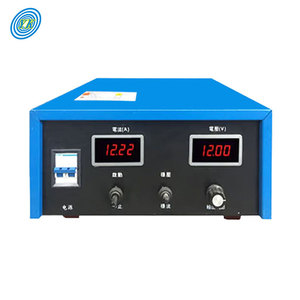
YUCOO Plating Rectifier 220v Ac to 12v Dc 50a 500a 1000 Amp Electroplating Rectifier

YUCOO Plating Rectifier 220v AC to 12v DC 50A-1000A Electroplating Rectifier

Engineered for precise electrolytic finishing, incorporating fine-step tap regulation, high-frequency ripple suppression, and robust thermal protection for continuous industrial duty.

Get Catalog
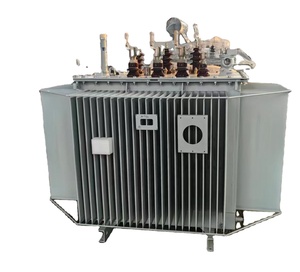
Factory Direct Sales Three Phase Control Electrical Rectifier Transformer

Factory Direct Three-Phase Control Electrical Rectifier Transformer

High-capacity transformer integrating multi-position tap adjustment for optimum voltage matching, engineered with low-loss copper windings and high surge immunity.

Get Catalog
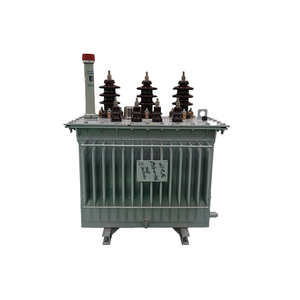
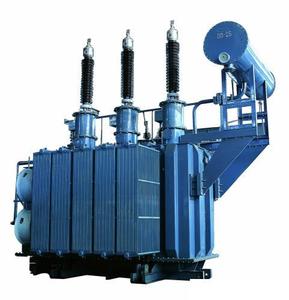
Oil Immersed High Current 6300kva Transformer Three Phase Cathodic Protection Rectifier Transformer

Oil-Immersed High Current 6300kVA Cathodic Protection Rectifier Transformer

Heavy-duty power transformer equipped with sealed On-Load Tap Changer (OLTC) mechanism designed for extreme industrial environments and pipeline protection infrastructure.

Get Catalog
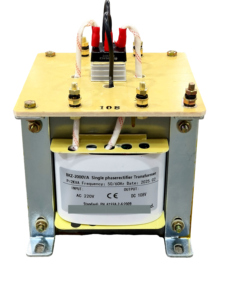
380V/220V to 60V 48V 24V 12V 6V AC to DC Transformers 2000VA 5KVA Single-phase Control Rectifier Transformer

380V/220V to Multi-Voltage AC to DC Single-Phase Control Transformer

Compact step-down rectifier system with variable primary/secondary tap terminals, ensuring consistent DC voltage stability for control circuits and automated machinery.

Get Catalog
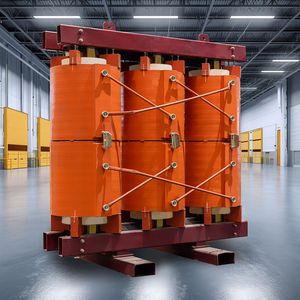
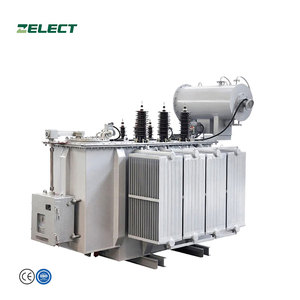
CEEG ZQSC(H)B SERIES 2000kVA/10kv EPOXY CAST TRACTION RECTIFIER DRY-TYPE Air-Insulated Rectifier Transformer

CEEG ZQSC(H)B 2000kVA/10kV Epoxy Cast Resin Traction Rectifier Transformer

Flame-retardant dry-type rectifier transformer featuring integrated off-circuit tap selector, engineered specifically for urban rail transit and metro power substations.

Get Catalog
ORIGINAL T6 Electric Power Rectifier Transformer TI16933 For HUNYDAI HFC6 Excitation system

T6 Power Rectifier Transformer TI16933 for HFC6 Generator Excitation

Precision excitation transformer tailored for industrial generator control, equipped with high-accuracy voltage regulation taps and class-H insulation performance.

Get Catalog
Control 33kv 300kva 1 Mw Voltage Transformer 220v to 110v 400kva High Quality 160kva Sealed Rectifier Transformer

Control 33kV 300kVA to 1MW Sealed High-Voltage Rectifier Transformer

Hermetically sealed high-voltage transformer utilizing vacuum interrupter tap switching, delivering maintenance-free grid step-down and rectification capabilities.

Get Catalog
50KVA 100KVA 200KVA 250KVA 300KVA 400KVA 800KVA 1000KVA 3000KVA Transformador 3 Phase Step up Rectifier Transformer

50kVA-3000kVA Multi-Range Three-Phase Step-Up Rectifier Transformer

Versatile heavy industrial step-up transformer with multi-tier tap change options, designed according to IEC 60076 standards for smelters, chemical plants, and solar farms.

Get Catalog
17+ Years
Manufacturing Heritage
10 MVA
Max Capacity Up To 33kV
IEC / IS
Global Standards Compliant
50+ Countries
Worldwide Export Footprint

Comprehensive Industry Whitepaper: Demystifying Modern Tap Changer Technologies

In modern high-voltage power networks and industrial electromechanical systems, the Tap Changer serves as the fundamental mechanism for dynamic voltage regulation, reactive power balance, and operational flexibility. As power grids worldwide undergo transformation due to the rapid integration of renewable energy sources—such as utility-scale solar PV installations and offshore wind farms—the demand for reliable, precision-engineered tap changers from leading Chinese manufacturers and global exporters has reached an unprecedented peak.

Information Gain Insight: Tap changers are not merely mechanical switches; they are sophisticated electro-hydraulic or motor-driven voltage control interfaces that directly impact power quality, transformer lifespan, and overall system energy efficiency (reducing total operational losses by up to 18% under variable load cycles).

Categorization & Architectural Dynamics: OLTC vs. DETC

Understanding the operational intent of electrical installations requires a clear distinction between the two primary classifications of transformer tap changers:

On-Load Tap Changers (OLTC)

Designed to adjust transformer turn ratios while the transformer remains fully energized and under load. Essential for main power substations, heavy metallurgical arc furnaces, electroplating plants, and grid distribution nodes where power interruptions are unacceptable. OLTC systems utilize diverter switches with transition resistors or vacuum interrupters to prevent circuit interruption during tap transition.

Off-Circuit / De-Energized Tap Changers (DETC)

Operated exclusively when the transformer is fully isolated from electrical power. Primarily applied in standardized industrial distribution transformers, dry-type cast resin units, and localized step-down systems where seasonal load variations or permanent voltage shifts require infrequent mechanical adjustments.

Rectifier Transformer Integration

Rectifier transformers demand ultra-fine voltage step resolution across wide regulation ranges. By combining primary-side OLTCs with secondary bridge rectifiers, industrial facilities achieve ripple-free DC power for electrolysis, DC furnace heating, and high-precision electroplating.

Future Technology & Procurement Trends (2025–2030 Horizon)

As industrial automation accelerates and strict global carbon neutrality mandates take effect, procurement managers and EPC engineers must stay ahead of key technological paradigm shifts in tap changer design and supply chain selection.

1. Vacuum Interrupter Dominance

Traditional oil-arcing OLTC switches suffer from oil degradation and contact erosion, requiring frequent maintenance. Modern vacuum-type OLTCs enclose electrical arcing inside hermetically sealed vacuum bottles. This eliminates carbon contamination of insulating oil, extending service intervals from 50,000 operations to over 300,000 operations.

2. Microprocessor-Driven Automatic Regulation (AVR)

The integration of IoT sensor arrays and digital Automatic Voltage Regulators allows real-time condition monitoring. Tap position, contact temperature, dissolved gas levels (DGA), and motor torque dynamics are continuously streamed via IEC 61850 or Modbus protocols to SCADA control centers.

3. Eco-Friendly Ester Fluid & Dry-Type Compatibility

Environmental standards are driving the adoption of natural and synthetic ester transformer fluids, as well as dry-type epoxy cast resin transformers. Tap changer designs have evolved with specialized contact coatings and enhanced dielectric spacing to operate seamlessly with non-mineral biodegradable fluids.

Strategic Sourcing Shift: Global buyers are increasingly partnering with top-tier Chinese manufacturers who offer fully integrated solutions—manufacturing the transformer core, copper windings, tank, and tap changing mechanism under a single ISO-certified quality management framework. This eliminates multi-vendor latency and guarantees optimal mechanical tolerances.

Why Partner with Leading Chinese Tap Changer & Transformer Exporters

With over 17 years of specialized engineering heritage, our partner manufacturing facilities in China stand at the forefront of power transformer innovation and tap changer customization. Built on rigorous quality control frameworks, state-of-the-art testing laboratories, and custom engineering agility, we provide end-to-end power delivery solutions for global buyers, utilities, and turnkey EPC contractors.

ISO 9001 & ISO 14001 Quality System

Every tap changer mechanism and transformer tank undergoes multi-stage quality verification—from raw electromagnetic copper wire inspection to core lamination laser cutting and dielectric breakdown testing.

Comprehensive Factory Acceptance Testing (FAT)

Our testing facilities perform routine, type, and special tests per IEC 60076 and IEC 60214 standards, including Dissolved Gas Analysis (DGA), Tan Delta loss testing, short-circuit withstand verification, and temperature rise simulation.

Bespoke Customization Capability

Whether you require multi-step high-current tap selectors for electroplating rectifiers or specialized 33kV vacuum OLTCs for traction power stations, our engineering team delivers tailored CAD/3D designs matched to your exact site requirements.

Technical Specification Matrix: Tap Changer Classifications

Compare performance parameters across our main product series to select the optimum tap changing mechanism for your electrical infrastructure project:

Feature / Parameter On-Load Tap Changer (OLTC) De-Energized Tap Changer (DETC) Vacuum Interrupter OLTC Rectifier Multi-Tap Selector
Operating Condition Full Load / Energized De-Energized (Offline) Full Load / Energized Energized or Step Control
Voltage Class Up to 110kV / 33kV Standard Up to 35kV 11kV to 220kV Class Low to Medium Voltage
Arcing Medium Insulating Oil Air / Oil (No Arcing) Hermetic Vacuum Bottle Air / Oil / Solid State
Maintenance Cycle 50,000 Operations 10+ Years (Inspection) 300,000 Operations 100,000 Operations
Contact Wear & Carbonization Moderate (Requires Oil Filter) None Zero Oil Contamination Minimal
Typical Applications Power Substations, Steel Mills Commercial Distribution Renewable Energy, Grid Nodes Electroplating, Electrolysis

Frequently Asked Questions (FAQ) for Global Buyers & Procurement Engineers

What is the primary difference between On-Load Tap Changers (OLTC) and Off-Circuit Tap Changers (DETC)?

An On-Load Tap Changer (OLTC) allows voltage adjustment without breaking the load current, making it ideal for power networks and industrial processes requiring continuous electricity. An Off-Circuit (De-Energized) Tap Changer requires the transformer to be completely disconnected from the grid before changing tap positions, serving applications where voltage adjustments are infrequent.

Why are rectifier transformers paired with specialized tap changers for electroplating and chemical plants?

Electroplating, anodizing, and chlor-alkali electrolysis processes require precise control of low-voltage, high-amperage Direct Current (DC). The tap changer on the primary AC side allows smooth voltage regulation, enabling the rectifier bridge to deliver steady DC output under fluctuating industrial loads without generating unwanted harmonics or overheating.

What maintenance advantages do Vacuum Interrupter Tap Changers offer over traditional oil-arcing designs?

Vacuum interrupter OLTCs extinguish the switching arc inside hermetically sealed vacuum bottles rather than in the insulating oil. This prevents oil carbonization, dramatically lowers contact wear, extends maintenance intervals up to 300,000 switching operations, and significantly reduces Total Cost of Ownership (TCO).

How do leading Chinese suppliers ensure global compliance with IEC and IEEE standards?

Top Chinese exporters adhere strictly to international manufacturing frameworks including IEC 60214-1 (Tap-changers performance), IEC 60076 (Power transformers), and IEEE C57.131. Products undergo full factory type testing, short-circuit withstand tests, and third-party certifications (such as CE and ISO) prior to export packaging.

What key technical details should be provided when requesting a customized quotation for tap changers?

To receive a precise engineering quotation, buyers should provide: rated power capacity (kVA/MVA), primary and secondary voltage ratings, tapping range percentage (e.g., ±5% or ±8 x 1.25%), switching type (OLTC vs. DETC), cooling medium (ONAN, ONAF, or dry-type), vector group, and specific application environment (e.g., solar plant, furnace, or rail traction).

Request Full Engineering Specifications & Product Catalogs

Connect with our senior application engineers to receive custom technical drawings, transformer sizing assistance, and direct factory pricing for your upcoming power project.

Get Catalog